

Editor’s note: This article was first published in August 2015; its description of the Virgin Group as it stood then, and the remark that dyslexia is no longer seen as a big deal, reflect that time.
Richard Branson belongs to the club of successful people with dyslexia, a reading difficulty that isn’t considered a big deal today. But until not so long ago, difficulty reading, and therefore learning from what you read, meant that people who had it were considered stupid, since nobody knew what was wrong with them.
That’s why Branson never stood out at school, although he already showed promise in his determination and his interest in finding ways to make money from all kinds of businesses.
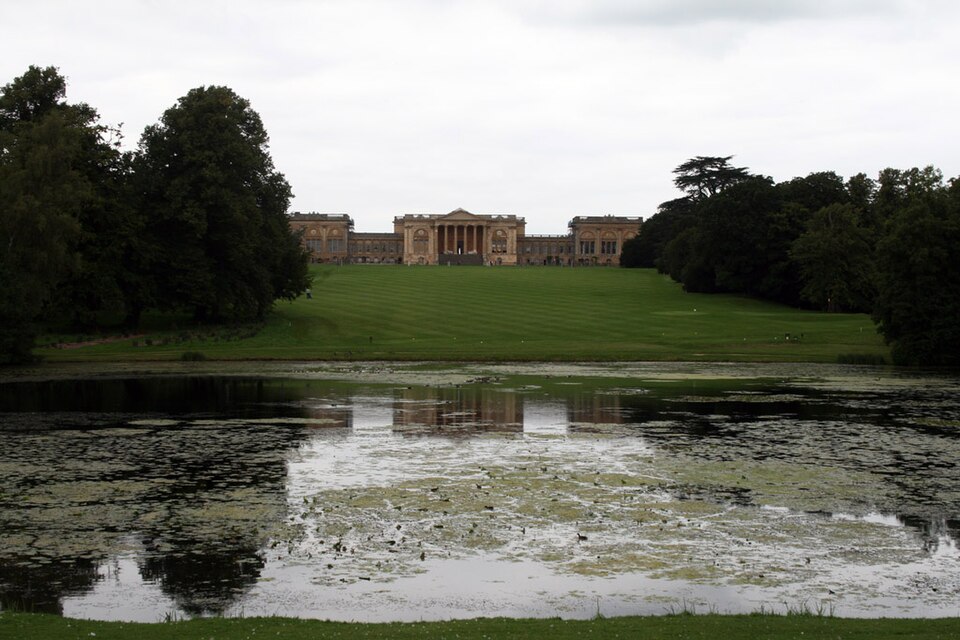
In Losing My Virginity, the book in which Branson collected his memoirs, he refers to an episode from his teenage years in 1967, when he was already working on his first business idea, Student magazine, and was in his last year at Stowe School.
He recalls that for one of his last exams, he prepared by making various cheat sheets (scraps of paper with the exam answers) and putting them in different pockets. Branson says that when he saw the exam questions, the hardest part was remembering which pocket he had put the answers to each question in.
In that last school year of 1967, the headmaster’s farewell was: “Congratulations, Branson. I predict that you will either go to prison or become a millionaire.”
Just a year later, in 1968, the first issue of Student came out.
Breaking the rules
Student magazine was a success, though not very profitable in money terms, so the business led on to selling records by mail order to the magazine’s readers. That would be Richard Branson’s second business, and it would lead on to a third: the first Virgin record shops.
But faced with a problem getting hold of stock, Branson decided to cross the border himself and bring the goods back. Branson realised that if he didn’t declare the goods and avoided paying tax on them, it would obviously work out cheaper. And since Virgin was already having its first serious financial problems, he thought that with the extra margin from a few more trips he could sort out Virgin’s finances in no time.
As many great, successful entrepreneurs like to say, sometimes to succeed, we have to break the rules. Of course, Branson was about to find out the consequences of twisting that message.
It wasn’t long before he was arrested by government officials on several charges, facing a severe fine and a few years in prison. If he didn’t want to go to jail, Branson had to pay a hefty sum of money. And the Virgin Group couldn’t come up with that money at the time.
Branson found himself behind bars, and he admits that his headmaster’s words came to mind at that moment. For now, his headmaster’s prediction had come true: “Congratulations, Branson, you’re in prison now.”
Break the rules, but not the law
Richard Branson promised himself that he would never again operate outside the law. Although he was only locked up for a few days, with the threat of several years in prison if he didn’t pay the fine, Branson was clear that from then on he would never do business outside the law.
The few employees and partners Virgin had at the time rallied round Branson to pay the fine and keep him out of prison.
See also: 40 innovative business ideas from recent years
Needless to say, Branson today stands out for setting up companies focused entirely on their customers, with the premise that his employees should feel at home. He has built one of the biggest groups of companies in the world, with a business structure that very few companies have managed to achieve.
“A business is simply an idea to make other people’s lives better.” – Richard Branson
Further reading



