
Editor’s note: This article was first published in November 2013; its unsourced figures on the size of the e-cigarette and tobacco industries, and the regulatory situation it describes, with little regulation and the first bans in public places, are from that year. This article reports views from 2013. Health advice on e-cigarettes has developed since then: they are not risk-free and are not recommended for people who do not smoke.
Robert West, director of tobacco studies at University College London, has taken a very positive stance on the recent boom in electronic cigarettes, also known as “nicotine vaporisers”, and on the impact they will have on human health.
At the 2013 E-Cigarette Summit at the Royal Society in London, many scientists said that if every smoker of traditional cigarettes switched to e-cigarettes, we would without doubt save millions of lives. The BBC quotes Robert West as saying that this can be achieved, although for now it is a hope rather than a promise.
At present there is not much regulation of the e-cigarette industry, but e-cigarette makers are starting to worry about the “cigarette” label, because the manufacturers insist that it is not a cigarette but a vaporiser. So you don’t smoke it, you inhale it: you “vape”. Ignoring this simple argument could lead governments to pass harsh laws against this technology. In fact, in some parts of the world, e-cigarettes are starting to be banned in public places.
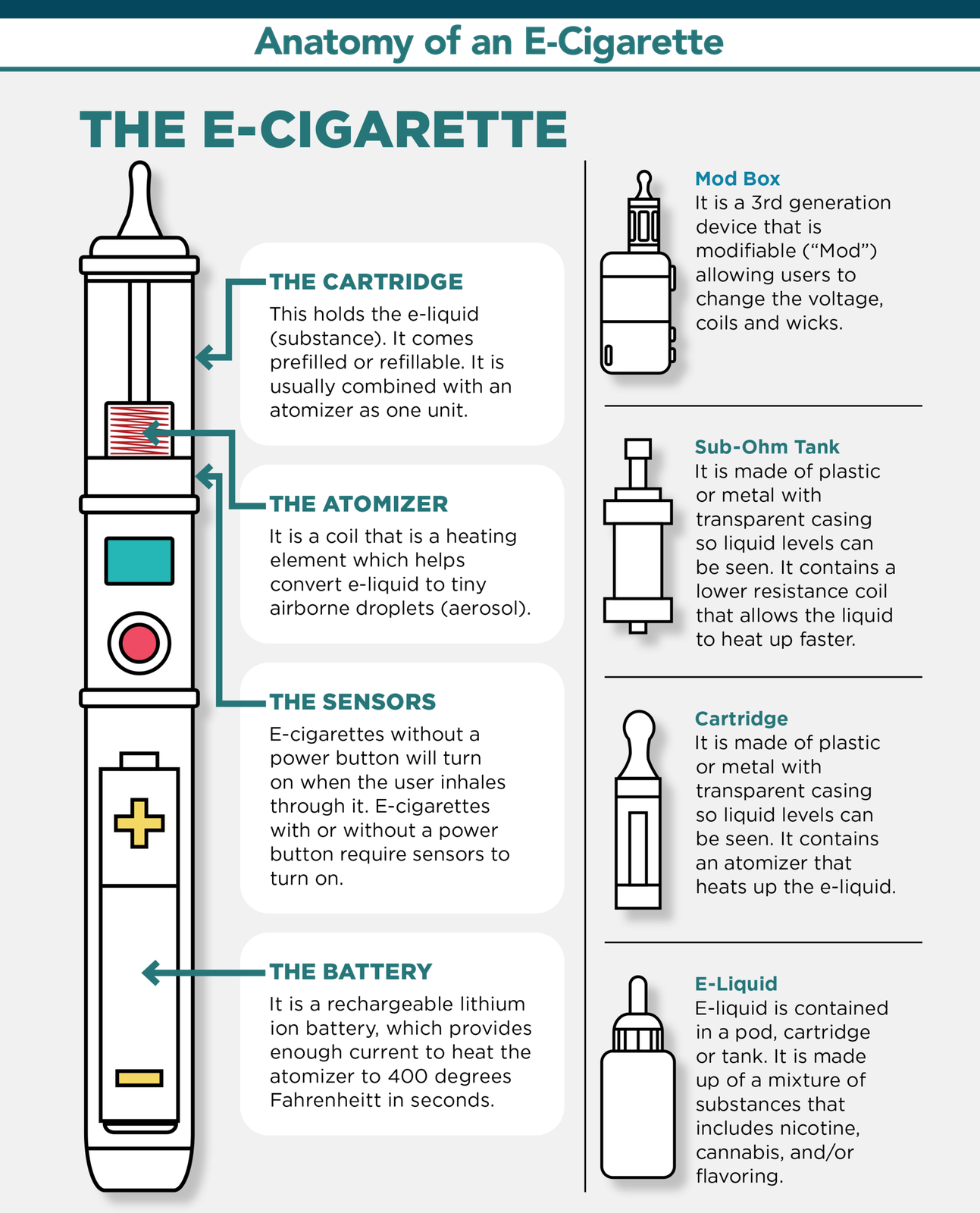
That said, a minimum of regulation is needed to guarantee the quality and safety of these products.
Are e-cigarettes really safe for your health?
While we cannot say with complete certainty that nicotine vaporisers are 100% healthy or that they do not cause cancer, we can say that their negative impact on health is much smaller than that of traditional cigarettes, West says.
According to West, the few studies that have been carried out do not seem to show significant negative health effects, although, to be fair, there are no long-term studies. E-cigarettes cannot give you cancer the way traditional cigarettes do, but they may still increase the risk of heart disease or stroke and other health problems that are not yet known. Of course, if they are used to quit smoking for good, they are welcome, because they will save lives. E-cigarettes are, without doubt, infinitely less harmful than traditional cigarettes.
Remember that e-cigarettes are among the 7 technologies of the future and, according to Goldman Sachs, among the industries to invest in for the long term. The e-cigarette industry is currently estimated to be worth more than $1 billion, and it is expected to reach $5 billion before long, although tough regulation of this booming sector could slow that trend.
The news that Marlboro had already brought out its own e-cigarette fuelled the debate over whether today’s tobacco companies will end up moving into making and selling e-cigarettes, or whether, on the contrary, they will do everything they can to kill off this technology that threatens their $700 billion industry. Only time will tell.
Featured image: Ecig Click, CC BY 2.0, via Flickr.