

Editor’s note: This article was first published in July 2014, a few months after The Wolf of Wall Street was released; its prediction that the question would catch on in job interviews reflects that moment.
It seems the “sell me this pen” scene in “The Wolf of Wall Street” has caused a real stir. Now some testimonies are starting to appear, such as that of Paloma Beamonte, a woman who says her interview at Xerox consisted of:
– Sell me this ashtray.
– Do you smoke?
– HIRED.
As easy as that. Since we take it for granted that the things that excite us (that blow us away) are the ones we later like to use, we assume some recruiters will adopt this technique, just as when Google started asking its absurd job interview questions and major companies copied them, until Google itself admitted they were useless questions. But of course, it was “cool” to do what Google did, regardless of whether it was any use.
“Never underestimate a wannabe. Give him a lollipop and you’d be surprised at everything he can do with it instead of eating it.”
The problem is that the kind of argument used to sell an object as ordinary as a pen or an ashtray is the cause of one of the most common mistakes in sales. And I’m not splitting hairs; that’s really how it is. Let me explain.
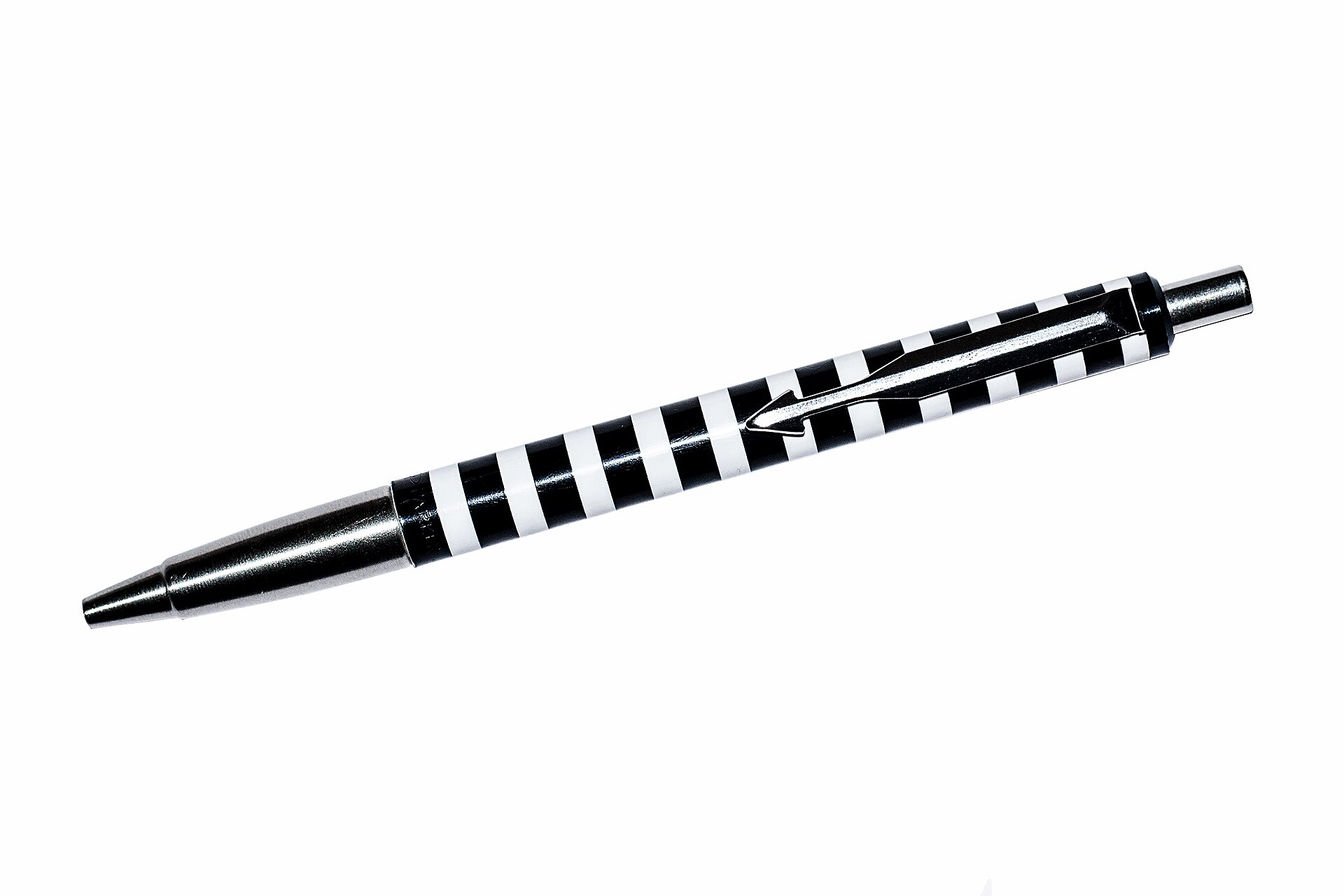
– Sell me this pen.
– Write this down for me on a piece of paper…
– What? I don’t have a pen.
– Here you go. (Sold.)
A very common mistake is made on sales visits. As you all know, the sales process has a series of steps: needs, motivation, presentation (highlighting the benefits) and closing the sale.
When a customer tells a salesperson that he was thinking about buying, and wanting to buy, the very product the salesperson sells, it is very common for the salesperson to skip many steps of the natural sales process (such as creating a need, because he thinks it already exists) and go straight to the close, since the customer apparently already had the need and was waiting for us with open arms. This type of customer, together with the skipped steps, is the one who usually produces the most rejections and gives us the most excuses, because we have botched the sale.
An example:
Imagine you sell vacuum cleaners and you go to visit a woman to sell her one. As soon as you walk in, she tells you she was thinking of buying one. In your mind you’re already picturing your good luck: “It’s a sure sale, thank God.” You go all out for the sale and the woman tells you: “Oh, OK, but I need to think about it, because I’ve seen some Toshiba vacuum cleaners at a lower price.”
In other words:
– Sell me this ashtray.
– Do you smoke?
– Yes.
– Here you go.
– But I don’t like this ashtray, and besides, the shop downstairs sells me 3 for the same price.
Next:
– Sell me this pen.
– Write this down for me on a piece of paper…
– What? I don’t have a pen.
– Here you go.
– Sorry, I’ve been using a fountain pen for 20 years. I don’t like ballpoints.
In the past, to prove your worth as a salesperson, candidates were often asked to sell a “useless” object. The aim was to bring out your sales creativity, based on a belief that is true: objects have no value in themselves, but the story behind an object has value, as does the need it meets. In other words, a ballpoint is not the same as the ballpoint that saved your grandfather’s life when he was fighting the Nazis. The second is worth far more than the first.
And star salespeople used to make the covert sale: they would find out your needs, so that if you were thinking of buying a car, they would sell you a very cheap car and “throw in” that pen for free (all of it make-believe). It was a way of selling you the pen without actually selling it to you.
The mistake in this kind of “Wolf of Wall Street” sale, taken to the street, is that it shows a quick sale to meet an immediate need, and urgent is not the same as important. And needing a product does not stop anyone comparing it with other products.
In short: as entertainment for the cinema it’s fine, but in the real world of selling that argument reflects a sales mistake. So if a recruiter says to you “sell me this watch”, there’s only one thing you need to know: that recruiter is just a wannabe who has watched “The Wolf of Wall Street” 🙂
Further reading
Featured image: Augustus Binu, CC BY-SA 3.0, via Wikimedia Commons.



