Editor’s note: This article was first published in January 2014; the open rivalry it describes between Snapchat and Facebook, and its remarks on WhatsApp’s paid model, reflect the situation at the time. Facebook bought WhatsApp in February 2014, and Snap Inc. went public in 2017.
The humiliation Facebook suffered when Snapchat refused to be bought for $3 billion could be even worse than it looks. Snapchat could choose between taking those $3 billion and living as multimillionaires for the rest of their lives or going to war against Facebook and the other giants. Everything clearly suggests that Snapchat has chosen to go to war for control of “social” on the internet, and more specifically on mobile.
It has now come to light that Mark Zuckerberg had been making offers for the messaging app Snapchat since 2012, according to BasicsMedia, but Evan Spiegel kept saying no.
According to some sources, the initial offer started at around $1 billion and rose to $2.5 billion. At that point rumours of a purchase broke out and Facebook was forced to raise its offer to $3 billion, because once Facebook’s interest became public, Snapchat enjoyed its best moment yet, with its user numbers growing.
When no deal was reached, the threats from Facebook arrived. Facebook could supposedly be preparing an app exactly like Snapchat in order to bring down the original and head off rumours among its investors.
See also: Why Victoria Bernal sold her Facebook shares
Remember that Facebook took the place of MySpace, the successful social network of its day. So after the humiliation Facebook has received from Snapchat, some might think that Evan Spiegel, the founder of the popular app, is ready to compete with the mighty Facebook and even overshadow it.
Of course, Spiegel could always come to regret not taking the $3 billion if Snapchat’s moment of popularity with users passes.
The main problem that stands out at Facebook is that teenagers are losing interest in it: when it comes to connecting from their smartphones, more and more young people prefer Snapchat to Facebook.
For now the war is on, although we should not forget the role of WhatsApp, one of today’s must-have apps on our phones, whose paid business model has so far drawn no criticism from its users.
Who will win this battle for control of social traffic on mobile?
See also: Before Facebook and Twitter, the future of social media was TheGlobe.com
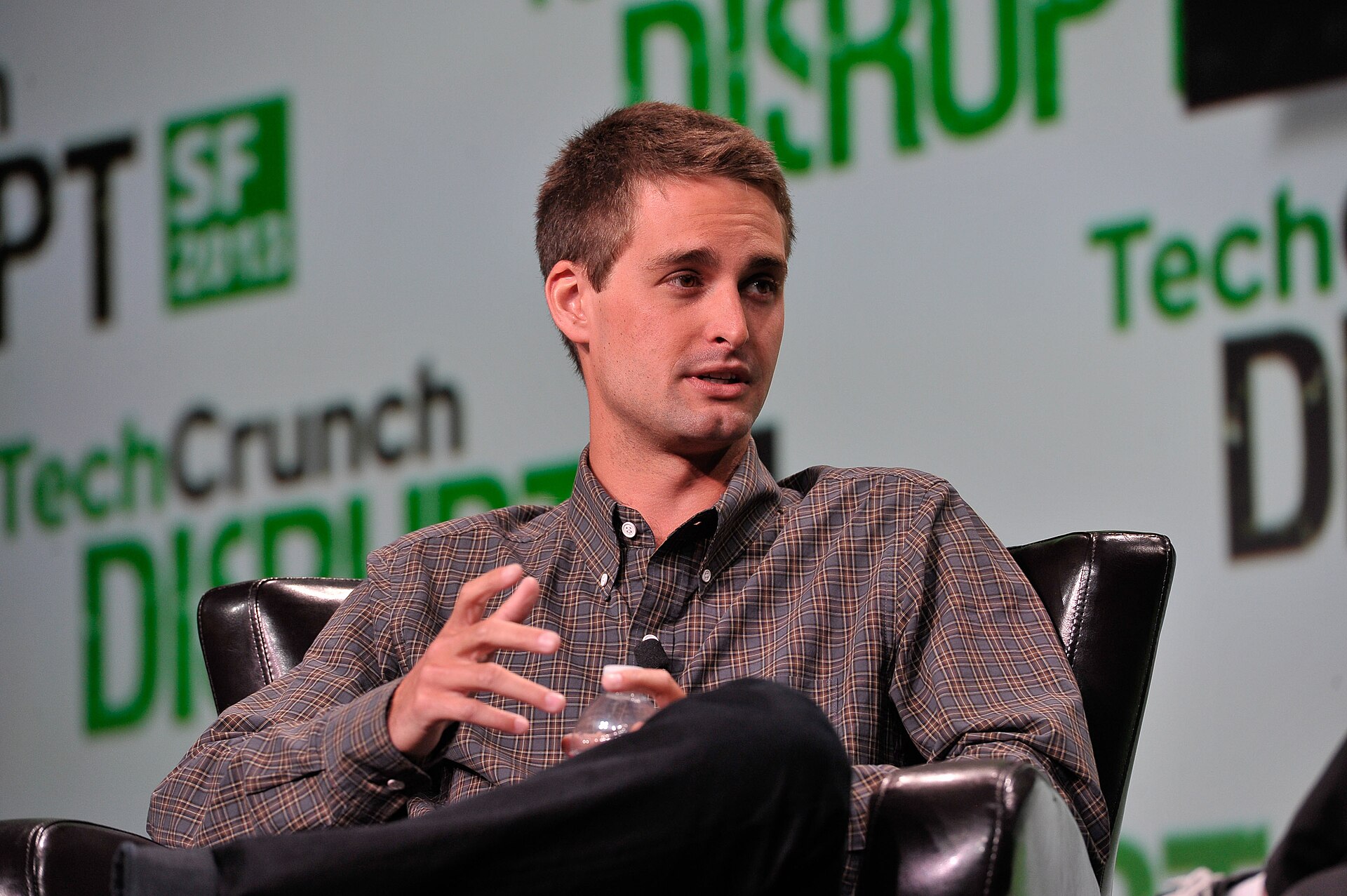
Featured image: TechCrunch, CC BY 2.0, via Wikimedia Commons.