

Editor’s note: This article was first published in November 2010 and describes the pension reform proposals under discussion then, including its prediction that raising the retirement age to 67 would be dropped. The reform passed in 2011 did raise the age gradually to 67, and Spain has reformed pensions again since.
I don’t remember who once said that a country that does not give its elderly a decent standard of living is a country adrift. Brussels is demanding that Spain, as well as raising the retirement age (an insufficient measure on its own), should improve its pension reform, because Spain has the second-highest life expectancy in the world.
First, let’s look at where the new reform model is taking us, and then we’ll draw some conclusions:
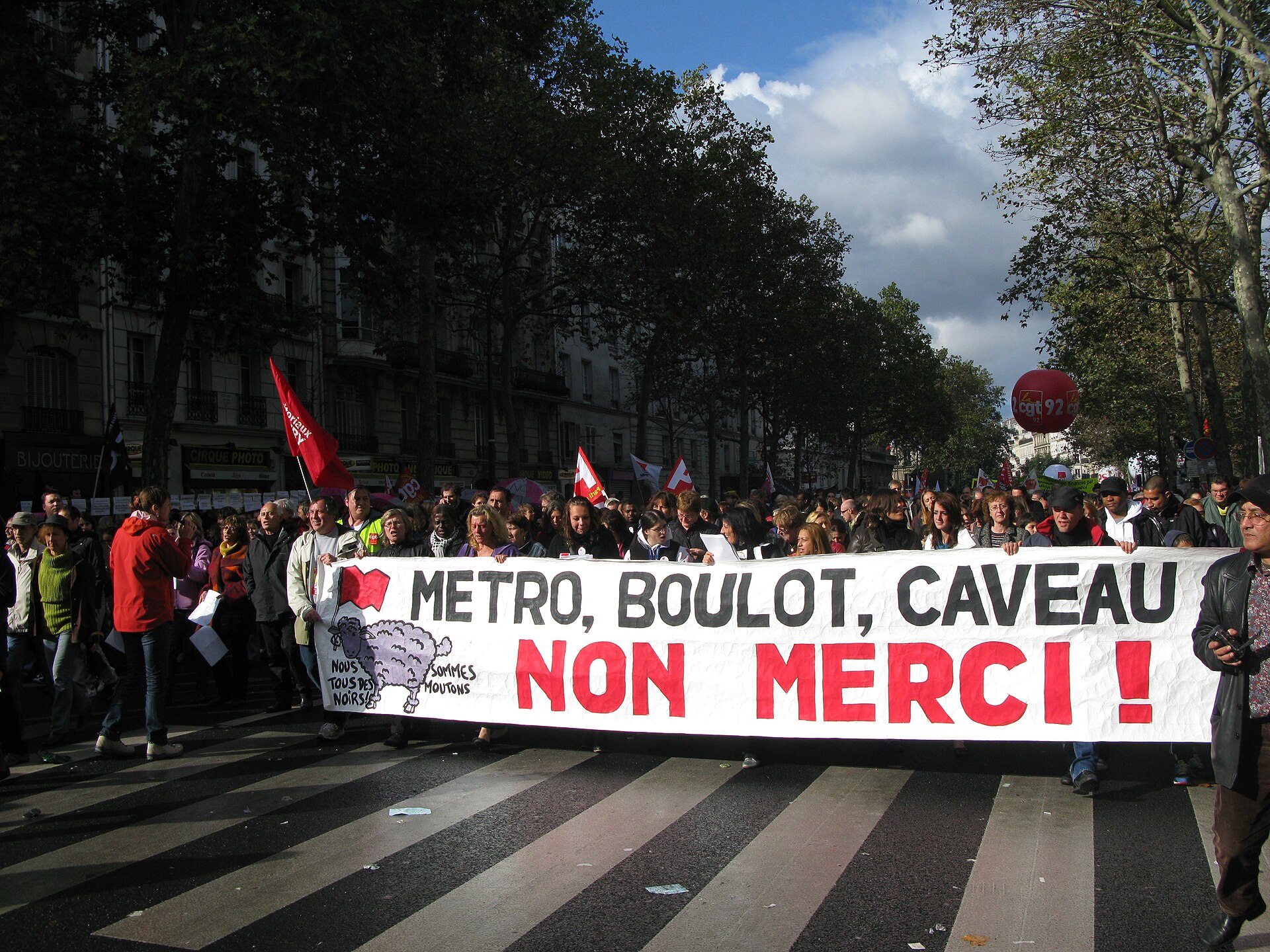
- Delaying retirement: This was the most controversial measure, both in Spain and in France, where there were serious clashes over the reform. It is ironic that the French kicked up more of a fuss when their retirement age was 60 and the proposal was to raise it to 62, considering that in Spain the retirement age is 65 and the plan is to raise it to 67. In the end, this measure will be withdrawn and replaced by other, “more coherent” alternatives.
- Contributing for more years: With that proposal withdrawn, the alternative that would go into the new model is to raise the number of years needed to receive 100% of the pension from 35 to 38.
- A longer calculation base: The government wants to extend the period used to calculate the pension from the last 15 years of contributions to the last 20.
- Early retirement: The new reform model plans to raise the minimum age for early retirement from 52 to 58, and to penalise companies that send staff into early retirement while they are making a profit.
- Survivor’s pensions: The aim is to end lifelong widow’s and widower’s pensions in certain cases, such as couples without children or who had lived together for only a short time, replacing them with a single compensatory payment.
The situation is crystal clear. If we keep cutting spending where it should not be cut, Spain will go on having a high life expectancy but a poor quality of life after retirement. I already find it hard to picture a 65-year-old construction worker up on a scaffold; I find it even less reasonable, or ethical, for society to have that same person climbing the scaffold at 67.
The need for a good retirement plan or a good investment portfolio during our working lives has been more than proven. The deeper we go into the eye of the storm of this unpredictable Spanish financial crisis, the more I doubt that we can count on a “healthy retirement”.
And let’s never forget that in Spain a high percentage of pensioners live in the most wretched and miserable poverty. So when we talk about pension reform, I think that rather than discussing pensions in general, we should be discussing which kinds of pension need action.
Further reading
- The tax office’s new revenue-raising measures
- Spain’s situation: the economy, jobs and investor confidence
- New DGT speed cameras: road safety or revenue raising?
Featured image: Jiel Beaumadier, CC BY-SA 3.0, via Wikimedia Commons.



