

Editor’s note: This article was first published in December 2012, amid the debate over healthcare privatisation and pension cuts in Spain. Its predictions that the public healthcare and pension systems would disappear should be read against what has happened since.
Somewhere along the way, Spain changed and decided to become more like the United States. We haven’t adopted its entrepreneurial culture or its systems for financing businesses, but it’s only a matter of time before we end up copying its healthcare system, and, just as in the land of Uncle Sam, anyone who wants to secure their purchasing power in retirement will have to do so privately, on their own.
As for healthcare, I doubt it will end up fully privatised, because hospitals for the poor will be kept going. But overcrowding, and the lack of resources and staff, will end up forcing even people who can’t afford it to take out private health insurance, with everything that entails.
There isn’t a single country in the world with a privatised healthcare system where there aren’t countless cases of people dying because they have no money. In fact, I have always thought that anyone who supports privatising healthcare (and there are many) either has no idea what they’re talking about or has no heart, and often it’s a bit of both.
Politicians will try to talk their way into giving 100 reasons why healthcare has to be privatised, and will even list lots of advantages, which in the end are just the cheap talk we’ve grown used to from them. They’ll say that people who take out private insurance pay for healthcare twice, since they already pay for it through their taxes. By that logic, I pay for the police twice, because my taxes pay for the police and I also pay for a private security system, so while we’re at it, why not privatise the police, the army and so on?
Before anyone votes in favour of privatising healthcare, they should know about a few cases:
Five years ago I met a businesswoman who was in favour of privatising healthcare, and in fact everyone in her family has private health insurance. Last year her youngest son was diagnosed with cancer. To the family’s surprise, the cancer wasn’t covered by their insurance, so he was referred to the Social Security system (Spain’s public health service). If Social Security didn’t exist, this woman would probably have watched her son die, because cancer treatment costs around 20,000 euros at a conservative estimate. That’s money she wouldn’t have today, because her company went bust and her husband is unemployed. Insurance companies also sell their own “health preference shares”, just as the banks did (a reference to the preference shares Spanish banks sold to small savers, many of whom lost their money).
Now try this: go to an insurer and tell them you want private insurance because you’ve been diagnosed with cancer, AIDS or something similar. When they send you packing, come back and vote for privatising healthcare.
“Never vote for a healthcare system that does business with health, because sick people aren’t profitable.”
Something similar is happening with the pension system. Banks have stepped up their advertising for pension plans; I hadn’t seen so many TV ads in a long time. It’s true that our pension system is unsustainable, as the Government says, especially if there are more pensioners than workers. In my view, what is really unsustainable is putting people in government who are unable to create jobs, whatever their political colour.
Unless something changes, current pensioners will see their pensions chipped away little by little, and young people will have to get used to the idea that they won’t receive that “benefit” in old age, and act accordingly.
That’s why, given the outlook ahead, which I don’t think Spaniards will be able to change however much they protest and demonstrate, all we have left is to adapt to the new environment: a cruel environment for people without financial means and without financial education.
What’s more, even though many people find investing boring, they will now have to learn about it whether they like it or not, because a pension plan isn’t a good deal for savers, as we explained in a previous article.
In short: this is the outlook ahead. I hope many people manage to adapt, and I also hope others understand what they are supporting, because, I insist, either they have no idea or they have no humanity, and I say that with all due respect.
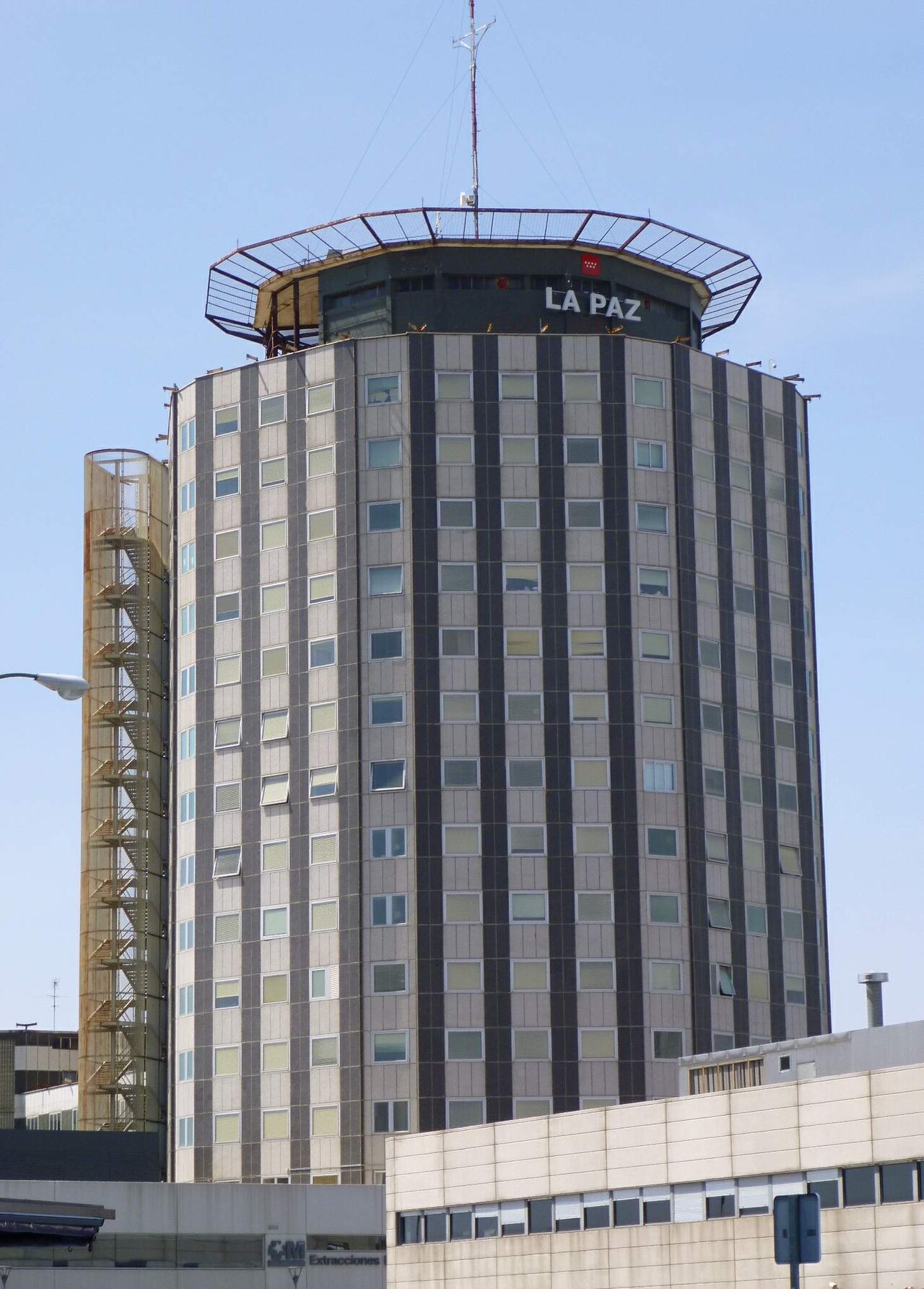
Featured image: Zarateman, CC0 1.0, via Wikimedia Commons.



