

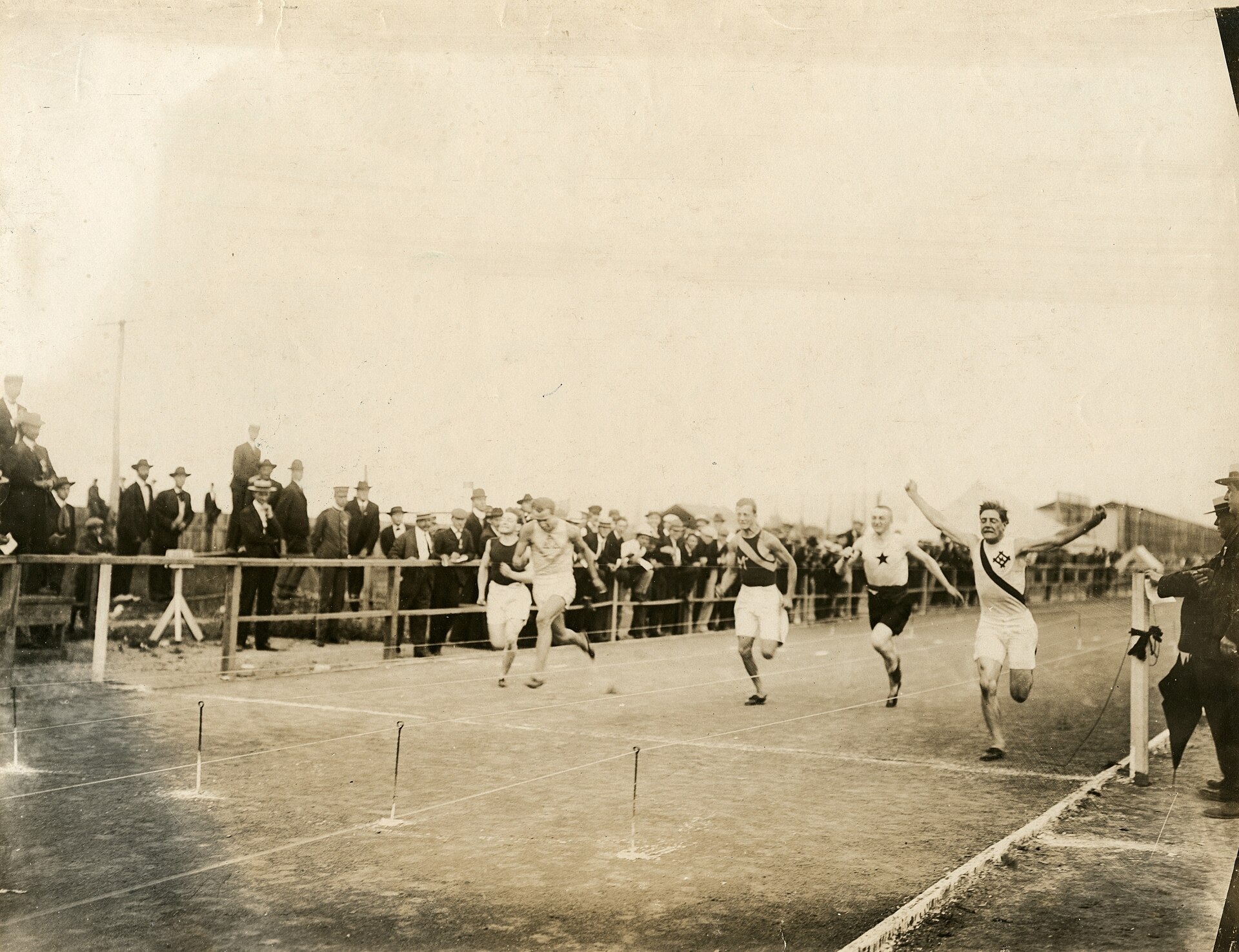
There’s not much difference between what’s demanded of athletes and what’s demanded in any other profession, including the profession of entrepreneur. Discipline, method, perseverance, persistence and strategy have to be present in business just as much as in sport.
In fact, if we look at team sports, we’d find other similarities: each member of the team has to know their role perfectly for the team to succeed as a whole.
But today we’re not talking about those kinds of traits. We’re going to go further, using four videos as examples to draw some conclusions. They aren’t the kind of thing business schools usually hold up as examples, but they’re details that never hurt to remember.
1. Celebrating victory before the finish (needless showing off)
Watch: the race on YouTube
Even though coaches warn athletes about it over and over, this is one of the most common mistakes that make an athlete lose a race they had already won. The video shows the Colombian competitor, clearly in the lead, who doesn’t hesitate to raise his arms to celebrate before crossing the finish line. During this needless display of ego, the Korean competitor seizes the chance to overtake him and win. The Colombian keeps celebrating without even realizing he has lost the race.
Ego can be your worst enemy in any trade, career or competition. Win first, then celebrate.
2. Our greatest strength can be our opponent’s weakness
Following on from the previous example: you should never give up. The Korean who overtook the Colombian knows that well. Sometimes our greatest strength, our biggest opportunity, can be our competitors’ weakness.
3. Never give up, and never write everything off as lost
Even if things aren’t going well, keep trying without slowing down. You never know what unexpected door will open, and we need to be ready to take advantage of that opportunity.
4. “I know, but I can’t help it”
Watch: the cycling video on YouTube
YouTube is full of videos of cyclists who crash just before the finish line because they raised their arms. Most cyclists know this, but they can’t help doing the same thing, thinking they won’t fall. It won’t happen to them. The thing is, once it does happen and they lose the race, like the young rider in this video, they’ll surely regret it, but what’s done is done.
Exactly the same thing happens in business: we’ve been warned about a great many mistakes, and yet we think we can take the risk and get a different result. When the consequences arrive, we regret it, but the damage is already done, even though we were warned.
5. Never underestimate your competition, however small
In this mixed martial arts video we see two very different opponents. On one side there’s a UFC professional, a great fighter who normally follows the rules of fighting, such as keeping a prudent distance, sizing up his opponent, and so on.
When he sees his rival, weak in appearance and without much experience in the fighting world, the professional abandons his method, mocking his opponent and trying to finish him off quickly. He’s in for a surprise: his weak-looking opponent may not spend many hours in the gym, but he can land good punches, and they end up knocking out the expert fighter in record time.
So if we have a method and follow a specific discipline, we shouldn’t change it because of the confidence we get from facing what at first looks like a weaker rival. And once again: don’t mock your opponent before the fight is over.
6. Sportsmanship
Watch: the race on YouTube
And finally, there’s the case of Spanish runner Iván Fernández, who could have won the race thanks to a rival’s mistake but chose to help the Nigerian runner win instead. In this case it was confusion, not showing off: the leader thought he had already reached the finish line and slowed down. Instead of overtaking him, Iván pushed him all the way to the line. That made him a winner even though he finished second.
Further reading
- 18 business lessons you’ll learn sooner or later
- 9 truths about life and business
- Bill Gates: three things I learned from Warren Buffett
Featured image: Unknown author, Public domain, via Wikimedia Commons.



