

Most new companies forget certain steps in their sales strategy because of their eagerness to start selling their product, an eagerness that sometimes keeps them from planning the strategy properly.
These days we come across very innovative ideas, often offering tech products or services. It’s common for these companies, once they’re ready to go to market, to send their salespeople out onto the street to “hunt” for customers, only to find that out there the product doesn’t sell the way they first expected. The salespeople burn out after constant rejections, and the company starts getting nervous.
Sometimes the only thing going on is that the product is useless. But at other times, the company is failing at the most basic thing: the strategy and image of the product out in the field and in front of the customer.
How do you fix all this?
It’s true that you don’t have to wait until you have the perfect product or service. You can keep improving it as you spot everything that can be better. And it will be the customers themselves who tell us what we can improve.
When it comes to selling new tech products or services, we need to keep the following points in mind:
1. Adapt the product’s message
As I’ve mentioned before, people sometimes pitch me ideas and I don’t quite understand them, or can’t properly see how they could help me. If you’re a tech expert and your product is aimed at business owners and companies that probably don’t know much about technology, then as a company you’ll need to adapt the message about your product’s advantages so that even a 10-year-old could understand it. Forget the jargon.
The sales department should already have worked out an opening line to get salespeople in the door at companies. This is something taught in direct selling and often forgotten by companies outside direct selling. Having one or two opening sales arguments ready can dramatically increase the chances that the salesperson at least gets received and has the opportunity to present the product.
2. What objections will your salespeople face?
This is where the salesperson’s job gets interesting. Before launching a product on the street for the first time, when I prepare a sales team I always tell them that during the first seven days their job won’t be to sell but to present the product and collect all the objections customers give for being “not interested” in what they’re offering.
If we don’t know the most common objections the product or the sales pitch faces, we don’t know how to improve the product or the sales script.
3. But you have to tell objections from conditions
Objections aren’t a worry, because in sales a customer with objections is a customer who ends up buying if the salesperson knows how to guide them. Conditions are another matter.
Objections might be:
- It looks very expensive to me.
- I have to check with my partners.
- I don’t see how it’s useful for me.
- And so on.
Objections are often the salesperson’s fault for not heading them off in advance. If a customer tells you they don’t see the point, it’s probably because the salesperson didn’t manage to create the need or sell them all the product’s features.
When a customer thinks a product is expensive, it’s also usually because we didn’t manage to sell them all the benefits they’ll get, which far outweigh the price.
A condition is different:
A condition might be that the customer already has that service with another company, the service is good, and it’s cheaper too. Often, to overcome a condition, we have to make exceptions to our terms or negotiate in some other way.
Until we know the most common objections and conditions among our potential customers, any sale may just be statistical luck.
Often, when a company runs into more conditions than objections, it means it needs to rethink its product or service, or its price. But let’s not fall into a common sales mistake either: treating objections as conditions, to make the salesperson feel better.
All this information is what we use to put together a sales pitch and teach salespeople the presentation techniques they need, including how to counter objections and how to negotiate around conditions.
If the sales work happens in the field, then when we send new salespeople or new products out onto the street, success out there requires extensive preparation in the office.
4. Don’t go after big clients first
It’s very common. Every company’s and every salesperson’s dream is to bag an elephant as soon as possible. But until we’ve perfected our sales arguments and terms based on what customers tell us, we need to leave the elephants alone and start with the rabbits and sparrows. You’ll have time to hunt elephants once you’ve gained confidence and your salespeople are ready to counter objections and negotiate with complete confidence in themselves and in the product.
5. Test with “pilot customers”
Here we can learn from what some big tech companies do: offer the product on an extended trial to several customers, so they can tell us themselves whether it’s useful or what could be improved.
This strategy is often used by companies such as Google and Apple, which, before launching a product, make several prototypes and hand them out for testing, so they can make improvements before the final launch.
Remember that in sales strategy, as in the art of war, battles are won before they are fought. Don’t send unarmed soldiers (unprepared salespeople) into unknown territory where we don’t know what they’ll be attacked with.
See also: 22 commandments for being a good salesperson
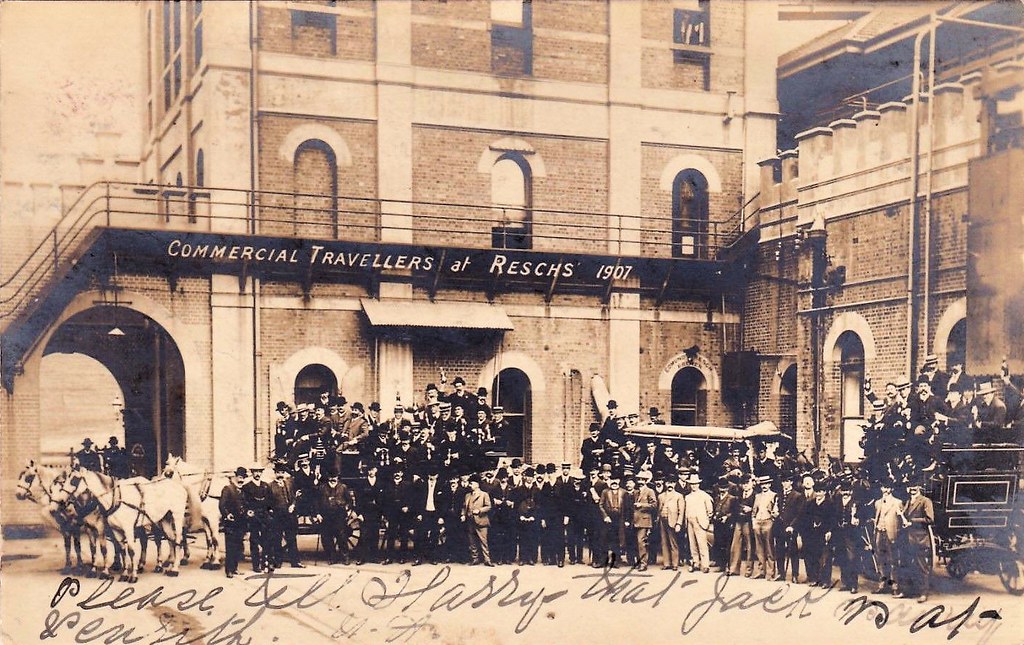
Featured image: Aussie~mobs, Public domain, via Flickr.


