

Editor’s note: This article was first published in February 2018; its phrase “this year, 2018” refers to the author’s resolution for that year.
These days there are lots of places where we can follow “instructions” and get advice on succeeding in any field. Hundreds of articles are written every day about what steps to follow to get rich or how to achieve success. We also find a whole range of business and personal development books, and we often come across excellent advice. Other times, they simply repeat the guidelines of other books that are already more than 70 years old.
This year, 2018, as many of you already know, I set out to simplify in every sense, including my messages, because I am increasingly convinced, as Steve Jobs was, that excellence lies in simplicity, and that we don’t need to go round in circles when sometimes we can draw straight lines.
Do you want to succeed? Do you want to build wealth? Then let’s simplify the process and what we need to achieve it.
3 basic principles for succeeding and creating wealth
1. You need a vision of the future
Success means starting from point A to reach point B. In other words, we have to set out on a journey. If you set out on a journey and don’t know where you are going, what happens? You will rarely get anywhere worthwhile.
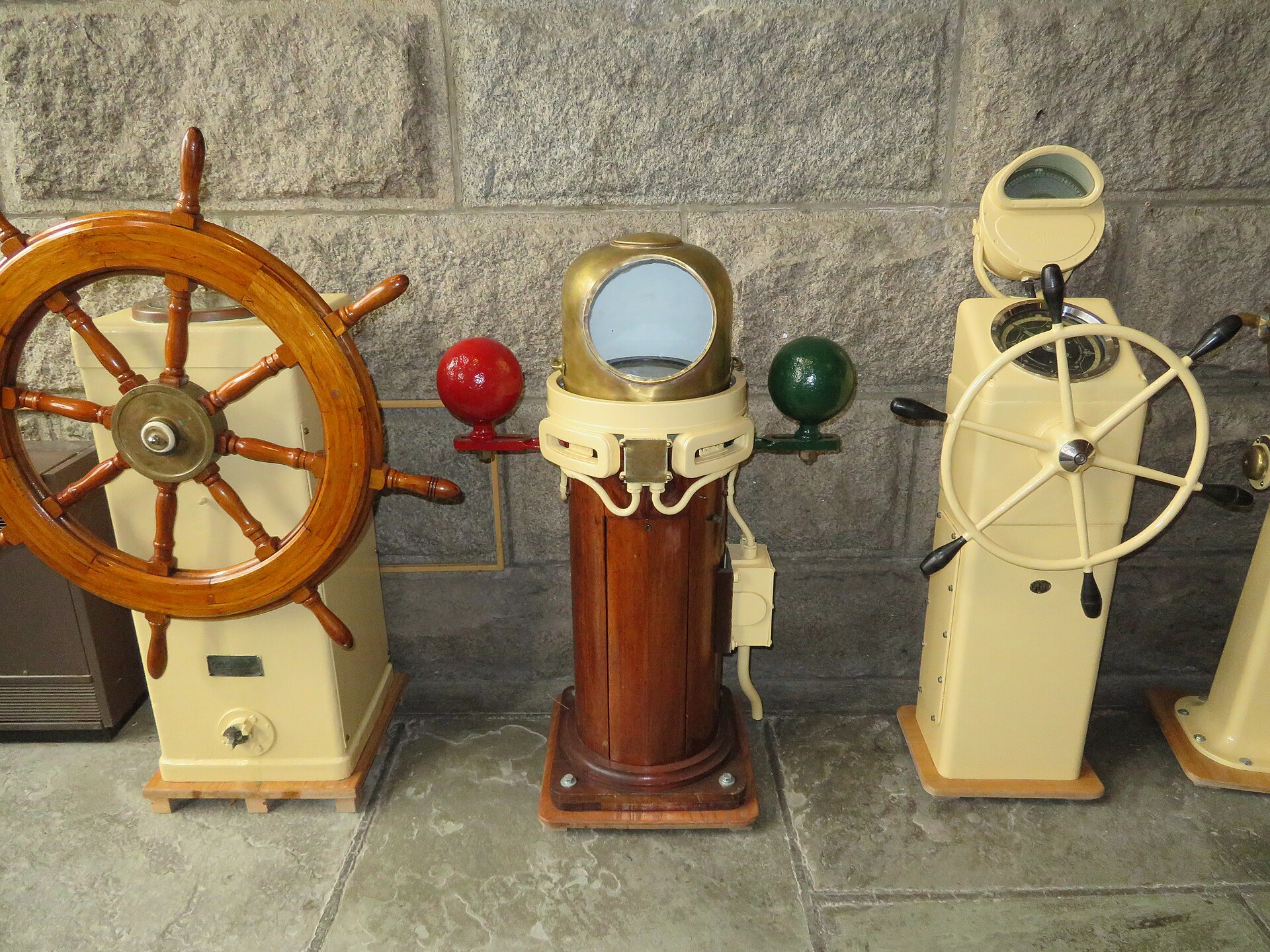
So the most basic principle for achieving anything is to be very clear about what we want to achieve, because, as the saying goes: “No wind is favourable to a ship that doesn’t know where it is heading.”
Knowing what we want to achieve is having a purpose in life, and having a purpose in life is everything. It means being clear that we have to set a course to reach our goal. That way, at any given moment we will know that we have strayed from the path leading to our goal, and we will still have time to get back on it.
Do you feel you have failed in life, or that you haven’t achieved the lifestyle you see other people enjoying today and would like to have?
Before anything else, ask yourself whether you had a vision of the future, a purpose, a point B to reach. If you had none of these, the truth is that technically you haven’t failed, because you never even started playing.
What exactly is having a vision of the future?
As the name suggests, it means visualising and holding a mental picture of what we want to achieve. We have to make that point B we want to reach something real in our minds. And that vision has to be exciting enough to inspire you and make you leap out of bed every morning.
And although we could make it a fourth point in this article, we’re going to include it here. You have to enjoy yourself throughout the whole process. Forget the false belief that you will only be happy if you reach the goal. Happiness isn’t in the destination but in the journey. Happiness is something you carry with you, just like your attitude.
If you set out on that journey with a good attitude, your chances of achieving your purpose multiply.
See also: 25 habits of successful people
2. You must learn to share your vision with others
Be careful with this point, because it’s not about telling everyone your plans, and much less the many people who, believe it or not, would be glad to see you crash and fail. Remember that even many of your friends want you to be happy, but not happier than them. They want you to succeed, but not more than them.
But you can’t make the journey alone
Nobody succeeds walking alone. That isn’t a theory. It’s a fact. (See: 5 rules for succeeding in business) But we’re not only talking about the importance of sharing your vision, but about knowing how to do it, and doing it with so much enthusiasm that it spreads to others.
Why does enthusiasm matter when you share your vision with others?
Simple. If you can’t generate enthusiasm with your idea, with your vision, think about your potential partners, investors and employees, even the bank manager who might be looking at your financing.
You have to be able to convey that passion, that enthusiasm, that value in your business idea or project, in your dreams and aspirations, that ambition.
We people bet on other people who are ambitious and have dreams. We know these people may crash or may succeed. But we also know that people without ambition and without dreams won’t crash, but they won’t succeed either.
And we’re not only talking about business
Although this message may seem aimed at men and women who are about to start out in business, the truth is that conveying vision, passion and ambition matters for everyone and for every kind of profession.
Companies promote ambitious, enthusiastic people. The salesperson who sells the most is the one with the clearest vision of themselves, their future and the benefit the customer gets from the product.
A good product isn’t always sold with enthusiasm, but the history of sales tells us that terrible products have been bought on a massive scale thanks to the enthusiasm and passion put into the sales strategy.
And if you manage to make your vision about helping others with your product, then, my friend, success is yours.
3. You need a system to reach the results you want
We need strategies to achieve success. That’s true, but strategies alone won’t get you there. So what do you need? A system.
And what exactly is a system?
We’ll define it as a series of coherent, complementary strategies that take you from beginning to end, step by step, strategy after strategy. And a system can be really simple.
For example, the Seinfeld strategy is a system. It isn’t based on results but on habits. This system, created by the comedian Jerry Seinfeld, consists of taking a small action every day that brings you closer to your goal, marking it on the calendar and never breaking the chain that forms on the calendar. Not a single day.
Of course, there are countless systems you could create. You have to find yours, and that system must follow an order to make sure we don’t start building the roof before the foundations.
The benefits of having a system
The clearest benefit of having a system is that we can measure our progress every day, even if we don’t see clear results in the first few days or weeks.
For example, if at this stage of the system you are winning clients, your system tells you to make 20 calls in the morning, or to spend the whole day calling clients and closing sales. It may not work the first time, but little by little the results will show if you keep improving those strategies.
Every week, every month, I’m sure you’ll measure your results and notice that you are making progress.
Having a system has a second very clear advantage: you don’t have to ask yourself every day what you should do. You already know what you have to do. It’s pure method.
Are you happy? Good, call clients and close sales.
Are you having a bad day, are you tired or feeling sad? Fine, suck it up, but call clients and close sales. We can change our strategies to improve, but never abandon the system that is meant to take us from point A to point B.
There is one skill that separates professionals from amateurs, and those who succeed from those who fail. We explain it in this article:
See also: The skill that separates professionals from amateurs
Featured image: Worldwidewebb77, CC BY 4.0, via Wikimedia Commons.



