Editor’s note: This article was first published in November 2013, during Spain’s economic crisis; the remarks on popcorn sales in Spain and the rise of entrepreneur TV shows, as well as the 2009 US popcorn figure, reflect that time.
There are all kinds of economic indicators. Some of them are more unusual than we could ever imagine, but, contrary to what we might think, they are used by some analysts and investment managers to try to work out which stage of the economic cycle we are in, and to guess how long we have left before we come out of a recession or, on the contrary, fall into one.
These economic indicators are very unusual, but most of them are 95% effective (others 100%).
1. Popcorn
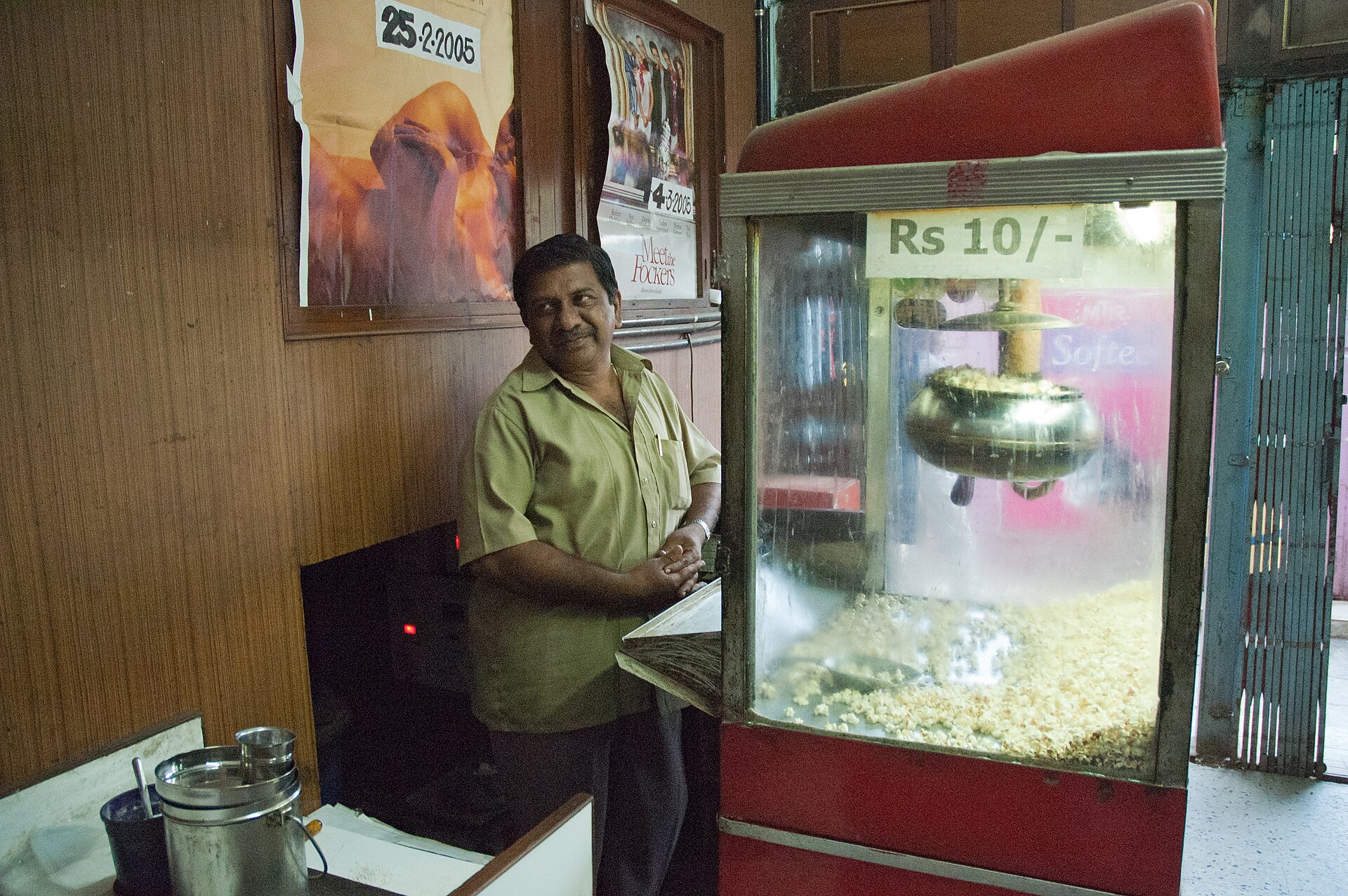
During an economic boom, people go to the cinema whatever the quality of the film. When pockets start to feel the pinch, people only go to the cinema when the film is very good, and even then they are not prepared to spend extra money on soft drinks and popcorn. The popcorn sales index has worked for decades. In fact, in 2009 popcorn sales in the United States went up, coinciding with the relief in the stock markets. I’m sure popcorn sales in Spain must be through the floor.
2. How attractive the waitresses are
It may sound like a very sexist economic indicator, but it’s just as effective. When a recession arrives, good looks open doors in bars and pubs, because attractive women are hired to draw in more customers. During an economic upswing, we might see attractive women working in offices, as saleswomen and so on, in jobs that aren’t on offer during a recession. “A beautiful woman with a university degree working as a waitress is the reflection of a country in recession.”
Source: NYmag.com
3. More TV shows for entrepreneurs
Although this kind of TV show is very common in the television culture of other countries, when we see them multiplying in Spain or in Latin American countries, it’s because the economy is in a terrible mess. The growth of these shows predicts bad years for job hunting, which is why there is a need to call on people to become entrepreneurs, which in a recession simply means “fend for yourself”. After the tulip mania disaster (there was no television back then), the number of courses teaching people to make money outside the traditional ways increased.
4. An increase in three kinds of medical consultation
- During a recession, men suffer from erectile dysfunction more often. Remember that most cases of this problem are psychological.
- The rise in the use of anti-anxiety medication is linked to recessionary economic cycles.
- Consultations for depression.
5. A fall in sales of baby nappies
During a crisis, on the one hand there are fewer marriages and births, and on the other, parents with small children try to change nappies fewer times a day.
6. The plastic surgery indicator
Clearly, people spend much less on cosmetic surgery during a crisis. On the one hand, the threat of losing their job makes people save just in case, and on the other, employees don’t want to take time off work for surgery for fear of being fired.
7. More sales of products against lice and insects
It’s no surprise that cases of lice go up during a crisis, since there are more people who don’t have hot water or who, for whatever reason, are forced to cut down on showers.
Insect bites also increase, because homes are less well looked after.
8. Domestic abuse reports go up and divorce rates go down
It sounds contradictory, but it makes sense: there are many tax advantages simply to being married. Besides, a recession isn’t the best time to split your expenses, let alone spend money on lawyers.
At the same time, reports of domestic abuse go up.
9. More short Japanese haircuts
This is another indicator that accurately predicts the economic cycle a country is going through: in times of recession, women in particular tend to turn to shorter hairstyles, because they need less looking after.
Source: BusinessWeek
10. Men’s underwear sales fall
During a recession, men save on underwear, and it shows dramatically in sales, whereas the fall in sales of women’s lingerie is barely noticeable, and they might even go up.
The truth is that we could go on to name more than 100 economic indicators that are not usually used in the financial press but that many investment firms take into account to try to anticipate economic cycles.
For example, a boom in skyscraper construction tends to come before an economic crisis, I suppose because of the property boom and its excesses. The waste-haulage indicator is one of the most effective, since if there is more waste, consumption has obviously gone up.
But if you want to know the economic level of a city or a country, one indicator that never fails is the price prostitutes charge for their services. Very low prices mean there is still a long way to go before things improve.
Further reading
Featured image: Kiran Jonnalagadda from Bangalore, India, CC BY-SA 2.0, via Wikimedia Commons.