Editor’s note: This article was first published in October 2010 and reports on a proposed US law, then under discussion, to make social networks and messaging services able to intercept and decrypt messages; the descriptions of BlackBerry email and Skype reflect that time.
According to The New York Times, the US government wants to pass a law that would allow it to monitor conversations on social networks such as Facebook and Twitter and on instant messaging programs such as Skype, including BlackBerry‘s encrypted email.
The argument is that terrorists could use these social networks or instant messaging services to communicate and so avoid using the phone.
The FBI has always spoken of interception expressly with legal authorisation and in specific cases, but the plan would practically force any social network that wants a presence in the United States to have a physical office devoted exclusively to monitoring and decoding encrypted messages. We take it that this will mean a cost for the social networks.
So far, internet users and the general public haven’t welcomed the news, because if the measure goes ahead it would be like taking a step backwards in technological progress.
On the other hand, as many of us already know, the “subject” of terrorism, national security and the good of the nation is sometimes used to control things that have nothing to do with terrorists or threats. At least we can rest assured that Facebook isn’t hiding any oil fields.
The irony of this news is that services such as Facebook are constantly under fire for violating privacy, and now they’re in the eye of the storm for having too much privacy.
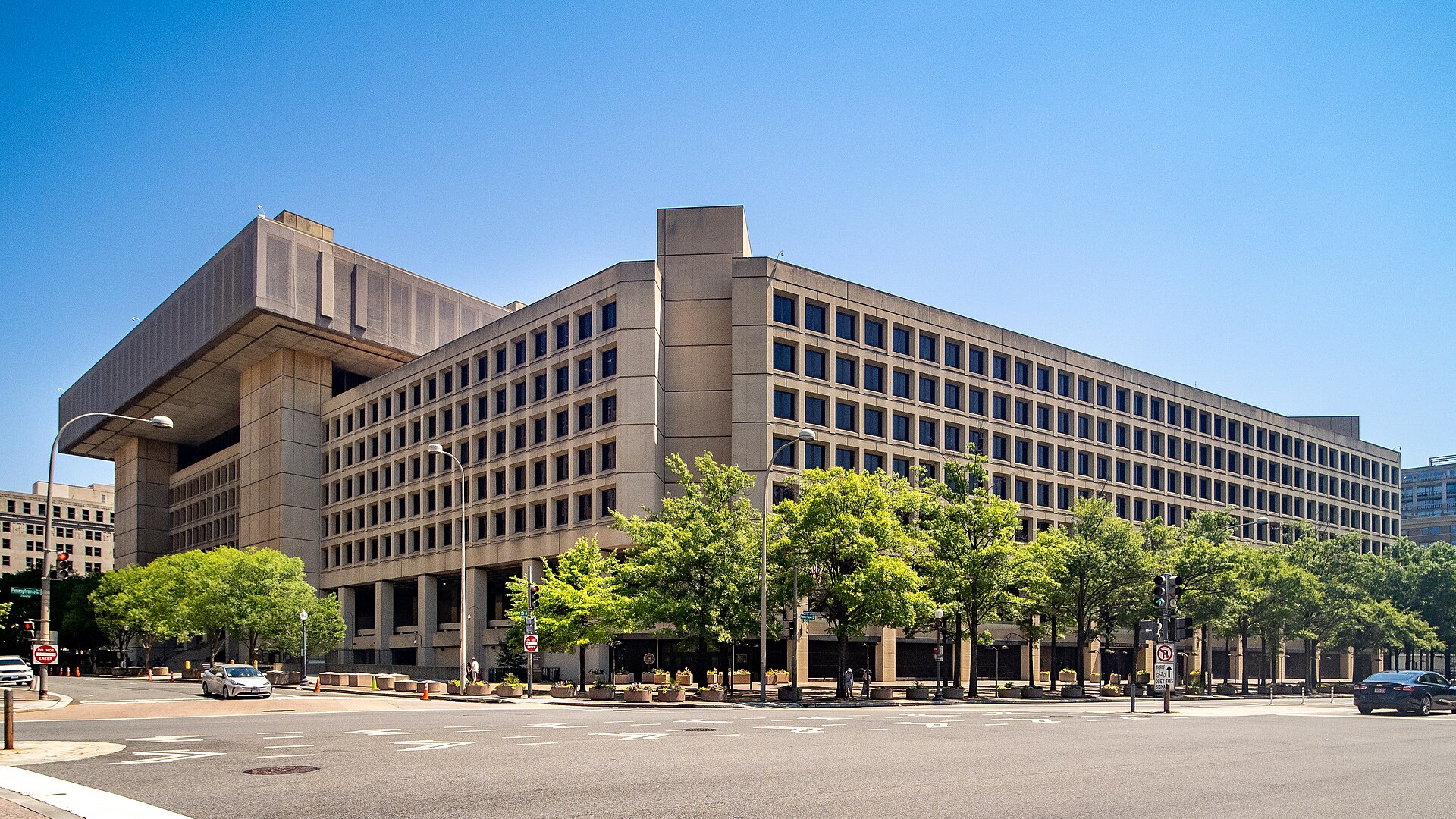
Featured image: ajay_suresh, CC BY 2.0, via Wikimedia Commons.