Editor’s note: This article was first published in November 2015; its description of Warren Buffett as the best investor today and one of the richest men in the world reflects 2015.
Few people have heard of the salad oil swindle that nearly brought the US stock market to a standstill in 1963. The reason it is so little known is simply that it coincided with the assassination of John F. Kennedy.
While the world was glued to the news of the assassination that shook half the planet, a 35-year-old named Warren Buffett was applying one of his investment lessons, one that helped him multiply his investment tenfold.
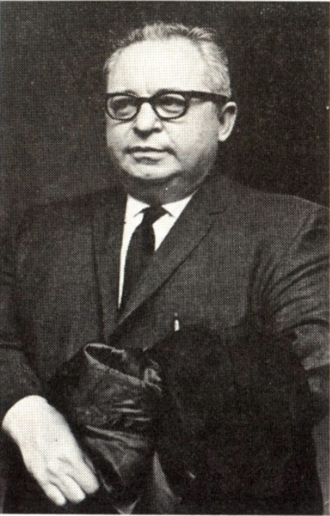
At the time there was a repeat fraudster named Tino De Angelis. He had previously been involved in defrauding the government by selling uninspected meat intended for schools. He ended up bankrupt and, like any good businessman, learned his lesson and came back with a new company, Allied Crude Vegetable Oil Refining Co., once again cashing in on the food business with the US government.
But the lesson this businessman learned wasn’t how to make money honestly. It was how to profit again by pulling off an even more lucrative scam. De Angelis knew that government programmes were an easy way to make money. In 1962 he came up with a plan to use his huge inventories of soybean oil to obtain loans from banks and from some Wall Street finance firms.
At the same time, as part of his elaborate scheme, he bought soybean oil futures to increase his oil holdings. That pushed up the value of his inventories, which in turn let him profit from his futures contracts.
American Express had recently set up a new division to lend to companies using their inventories as collateral. De Angelis took advantage of it and began forging warehouse receipts for vegetable oil he didn’t have.
American Express sent inspectors to make sure De Angelis had the oil backing the loans. But the inspectors didn’t realise that the tanks were filled with water with a thin layer of oil on top, or that some tanks were connected to others by pipes, so the oil could be moved from one tank to the next as the inspectors walked from tank to tank.
The press would later write that, had American Express done its homework, it would have noticed that De Angelis was reporting far larger vegetable oil holdings than the Department of Agriculture’s inventories for the entire United States.
Once he discovered how easy it was to fool American Express, De Angelis thought it would be a good idea to do the same with 50 other companies; in other words, to take money from many more firms, pledging oil he didn’t have as collateral. The companies that handed over money to De Angelis included Procter & Gamble and Bank of America.
When the fraud was uncovered, investigators found that of the 150 million in oil De Angelis supposedly held, he actually had only 6 million. Once the news broke, along with the scale of the swindle and the companies caught up in it, the futures market collapsed.
On 19 November, Allied Crude Vegetable Oil Refining filed for bankruptcy, and 51 companies were left unable to collect on their loans. Several companies had their shares suspended from trading. On 22 November Kennedy was assassinated, which added to the panic already gripping the markets.
De Angelis was sentenced to 7 years in prison, and when he got out in 1972 he went back to his old ways with a new pyramid scheme. A swindler is a swindler.
(See: Lessons we can learn from the Enron and Gowex cases)
So what does Warren Buffett have to do with all this?
At the time, Buffett was 35. He was already a successful businessman and investor, although nowhere near as well known as he would later become.
After the market fell, Warren Buffett was already studying how to make money from investor panic. He studied the fundamentals of some of the companies whose share prices were falling sharply and set his sights on American Express, the company most directly hit by the fraud, since it was the swindler’s biggest lender. American Express had lost 50% of its stock market value as a result, so Buffett started buying shares “like a man possessed”, eventually building up a 5% stake in the company ($20 million at the time).
Between 1964 and 1973 American Express’s value increased tenfold, making it one of Buffett’s most profitable trades, especially since American Express later became a permanent fixture in Berkshire Hathaway’s portfolio and kept appreciating.
Be greedy when others are fearful, and fearful when others are greedy
Warren Buffett chose a very well-established company with future potential that was being excessively punished by the market after getting caught up in a fraud. Many investors would sell their shares at a 50% loss in a panic, and what is panic for some is an excellent opportunity to make money for others. It wasn’t luck. It wasn’t chance. It was the investment approach he has always used, the one that has made him the best investor of our time and one of the richest men in the world.
No matter how much time passes, people like De Angelis will always be swindlers looking for ways to profit by deceiving others (money without honesty). And no matter how much time passes, smart, honest investors and entrepreneurs will remain what they are: opportunity hunters.
Sources: Global Financial Data | Business Insider. Adapted and expanded from these sources.
See also: Warren Buffett’s 16 best pieces of investment advice
Featured image: Unknown author, Public domain, via Wikimedia Commons.