Editor’s note: This article was first published in May 2015; Warren Buffett’s age (84) and the description of him as still learning after more than 70 years reflect that time.
Warren Buffett is probably one of the people we have mentioned most often in these articles. And we have covered him from every angle: as an investor, as a businessman (which is what he really is) and on a personal level.
But we could sum up all of Warren Buffett’s success in just 3 habits that anyone can learn from, whatever their profession or business. They are 3 simple habits you can start working on today.
1. Learn constantly and never stop learning.
If you had to pick Buffett’s most important habit, this would be the main one. And he said as much in his annual letter to Berkshire Hathaway shareholders.
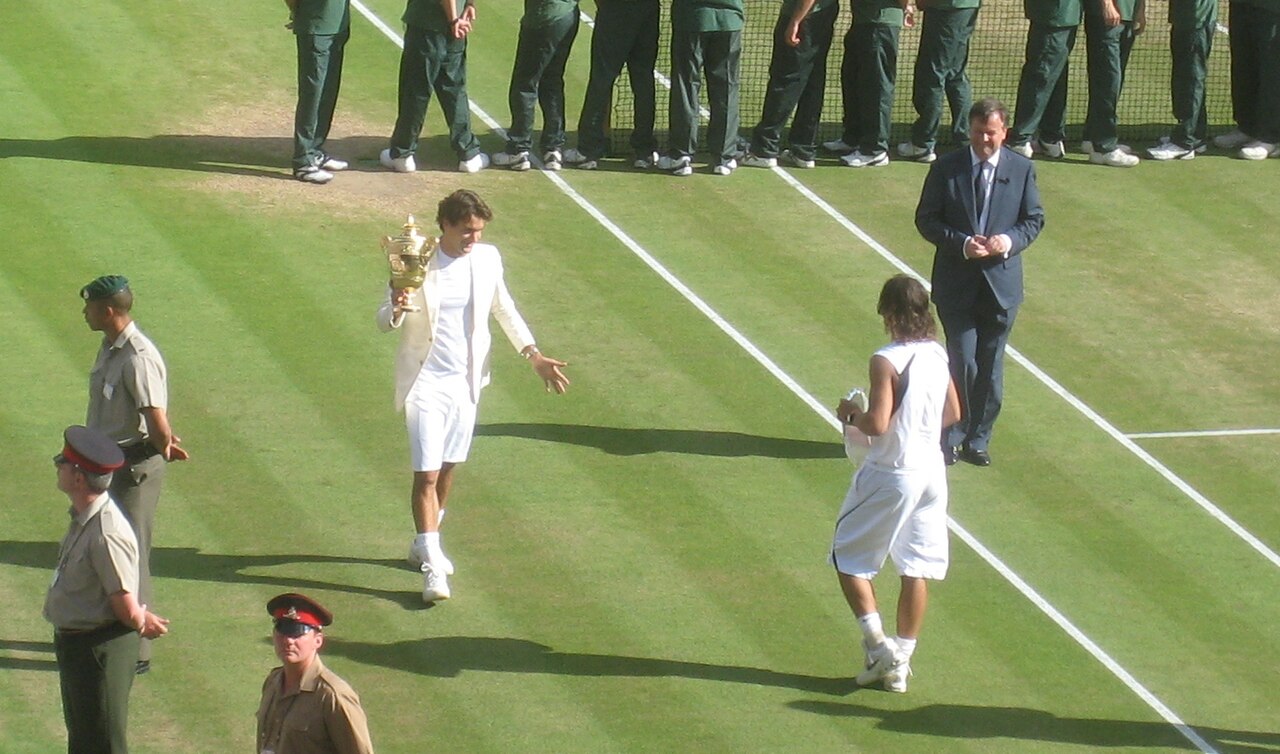
Buffett succeeded in life for the same reason that Roger Federer and Rafa Nadal became tennis stars: they constantly learned as much as they could about the thing they were going to devote themselves to, and they never stopped learning (training, in the case of the tennis players).
Buffett’s success comes from constant learning over more than 70 years, and at 84 he is still learning and getting better and better.
In other words, Buffett discovered what he was good at and enjoyed, and he never stopped honing his skills to get the most out of his profession.
To become a true expert, anyone needs some talent, but the key ingredient is practice. Anyone who devotes 10,000 hours of practice to one particular thing can outdo someone with an innate talent for it who isn’t working at it.
(Read: How to become an expert in anything)
Hence the saying: “Hard work beats talent when talent doesn’t work hard.”
Buffett says he keeps a different pace from other businesspeople. He says he sits down to think, read and reflect, to make sure he makes better decisions than most businessmen. And he does it because it’s what he has chosen. It’s the kind of life he likes, and for him learning isn’t a burden but something fun and productive.
(Read: This is how rich you would be if you had invested 1,000 euros with Warren Buffett)
2. Patience is the key.
The world is moving unusually fast. To give an example, it took 75 years for telephones to reach 50 million users, while the game Angry Birds hit the same mark in just 35 days, according to The Wall Street Journal.
Buffett is patient by nature. In fact, his success as an investor comes from his methodical patience, using value investing for the long term without focusing on short-term movements.
(Read: How Warren Buffett analyses shares before investing)
Buffett’s fortune comes from the accumulation of capital, and interest added to that capital, plus the gradual rise in the value of his share portfolio.
But if he is patient in watching his fortune grow, he is just as patient in making decisions.
In his 2010 letter to shareholders, he said they would need both their existing businesses and further major acquisitions. “Our elephant gun has been reloaded, and my trigger finger is itchy,” Buffett said.
But Buffett took a long time to pull the trigger. He didn’t see a clear opportunity, so he decided to sit on the bench until a business opportunity became clear.
Sometimes, however much we want to do something (when it comes to important decisions about money), it’s better to take a step back and be patient until the time is right.
(See: Warren Buffett’s 16 best investment tips)
3. Give credit where credit is due.
Buffett isn’t only great as a businessman and investor. He is even greater as a person. Known for his humility, he has always publicly thanked Charlie Munger (his right-hand man) for his work and has always praised the team of managers around him in public.
In fact, he has said more than once that Berkshire Hathaway wouldn’t be the company it is today if it hadn’t had Munger’s help.
(See: 8 life lessons from Warren Buffett)
In the year when most equity fund managers failed to beat the S&P 500, Berkshire managed it. The media put Buffett on a pedestal, but he was quick to introduce the people behind that tremendous feat: Todd Combs and Ted Weschler, nicknamed Buffett’s disciples, of whom Buffett is proud.
Buffett understands perfectly well that the work others have done is as important to his success as his own. So it doesn’t matter what sector you’re in: you should take time to thank and reward the people who helped you get there.
(See: 10 Buffett quotes for business)
Basically, these would be the 3 most important habits that have made Buffett one of the best investors and businessmen in recent history.
Unfortunately, the third habit is the one most managers find hardest to put into practice.
See also: 8 books Warren Buffett thinks everyone should read
Featured image: Georgio from San Francisco, USA, CC BY 2.0, via Wikimedia Commons.