

Editor’s note: This article was first published in November 2016, days after the US presidential election; it describes Donald Trump as already President of the United States, although he was president-elect at the time and took office in January 2017.
In 1923, eight of the world’s most powerful financiers met in Chicago. The group included the president of the largest gas company, the greatest wheat speculator, a member of the president’s cabinet, the biggest tycoon on Wall Street, the head of the world’s largest monopoly and the president of the Bank for International Settlements.
These men were considered among the most successful people in business and finance of their day. They had come to hold the secret of making money in vast amounts. But years later, where had these successful men ended up?
The president of the largest steel company, Charles Schwab, ended up destitute. He lived the last years of his life on borrowed money.
The president of the largest gas company, Howard Hopson, went mad. He ended his days mentally ill.
The greatest wheat speculator, Arthur Cutten, died insolvent.
The cabinet member, Albert Fall, ended up in prison. He was later pardoned so that he could die at home.
The great Wall Street tycoon, Jesse Livermore, ended up taking his own life. You can find out more about this great speculator in Reminiscences of a Stock Operator, the fictionalised biography of Jesse Livermore, one of the greatest speculators of all time.
The owner and president of the world’s largest monopoly, Ivar Kreuger, also took his own life.
And the president of the Bank for International Settlements ended up shooting himself in the head.
(Passage taken from Surviving at the Top, by Donald Trump.)
The moral to be drawn from these facts, as argued by the business magnate and now President of the United States, Donald Trump, is that success is harder to keep than to achieve. “Only someone who has never succeeded could doubt that,” Trump stresses.
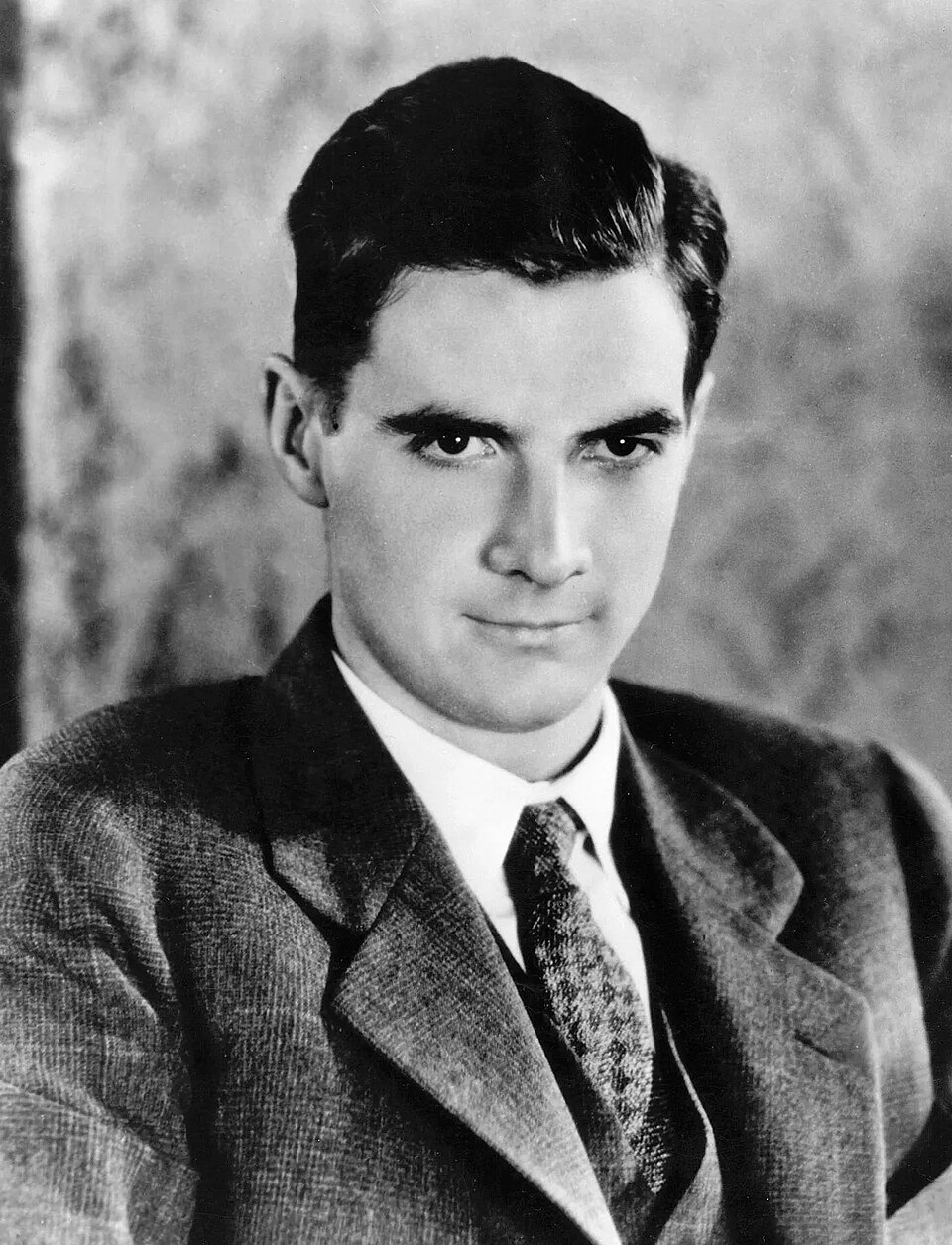
Consider the career of Howard Hughes, whom Leonardo DiCaprio brought to life on the big screen in the film The Aviator.
He was a billionaire businessman, tycoon, investor, film director and producer of major box-office hits. He is also known for his contributions to aviation and for innovation in aircraft design.
His life was an unbroken run of professional successes, and he came to amass more than 2 billion dollars (on record).
Sadly, though, Howard Hughes became the perfect example of someone who falls victim to his own fame and fortune.
He was a handsome, attractive man, but he will be remembered as the guy with unkempt hair and long fingernails. The pressure of his success slowly ate away at his mind until it drove him mad (literally mad), and he spent the last days of his life shut away in his luxury penthouse, refusing to leave. He did not even try to defend himself against lawsuits he could easily have won.
Trump admits that the story of Howard Hughes keeps him on his guard, because it is an example of how quickly you can fall if you don’t keep the weight of success under control.
“It is fame and success that bend men and make them lose their integrity,” says Trump.
A couples’ dinner with Donald Trump, Roger Moore and Frank Sinatra
Trump recalls that when he travelled to Monte Carlo with his wife, Frank Sinatra (“The Voice”) called to invite him to dinner with Sinatra, his wife, and the actor Roger Moore (James Bond) and his wife.
He remembers a nervous, agitated Frank Sinatra who treated his wife, Barbara, with disrespect, hurling insults at her and even calling her “human garbage”. In case any of the women at the table had not yet felt offended, Sinatra added: “Screw you all, you’re all the same!”
And that was not all. According to Trump, as they were leaving the restaurant a couple came up to ask for an autograph, and Frank Sinatra did not hesitate to turn to his bodyguards and say: “Get these jerks out of here.”
Sinatra left through emergency exits and down fire escapes because he had a phobia of crossing lobbies in case fans mobbed him.
“That dinner was a terrible experience,” Trump says, “but it gave me food for thought. Despite his millions of dollars and his millions of devoted fans, all the pampering and admiration, the weight of his success was bringing him to his knees. Success was taking a very heavy toll on Sinatra.”
The 27 Club
This is the name given to those famous young people who achieve success but die at 27, most of them overwhelmed by the price that success exacts.
Many talented people dream of fulfilling their dreams without realising that, once at the top, they will probably end up falling where others have already fallen. Some saw a prodigy in Amy Winehouse. Did she have talent? Of course. Did people like her voice and her music? Without a doubt. She was found dead in her flat in 2011 as a result of her excesses.
Jimi Hendrix, named the greatest guitarist of all time by Rolling Stone magazine, was found dead from a mixture of sleeping pills and alcohol.
Kurt Cobain, frontman and singer of Nirvana, took his own life at 27.
Others don’t die when they reach the top; they simply stop living the life they could have lived once they achieved their dreams, and slide into a self-destructive spiral.
They say you feel lonely and lost at the top. Reaching the top means you can’t climb any higher, which is why you have to keep growing and constantly take on new challenges. You should never reach the top, because that would mean accepting that you have hit your limit.
See also: 1991, when businessman Donald Trump gave us great advice for business and life
Featured image: Unknown author, Public domain, via Wikimedia Commons.



