

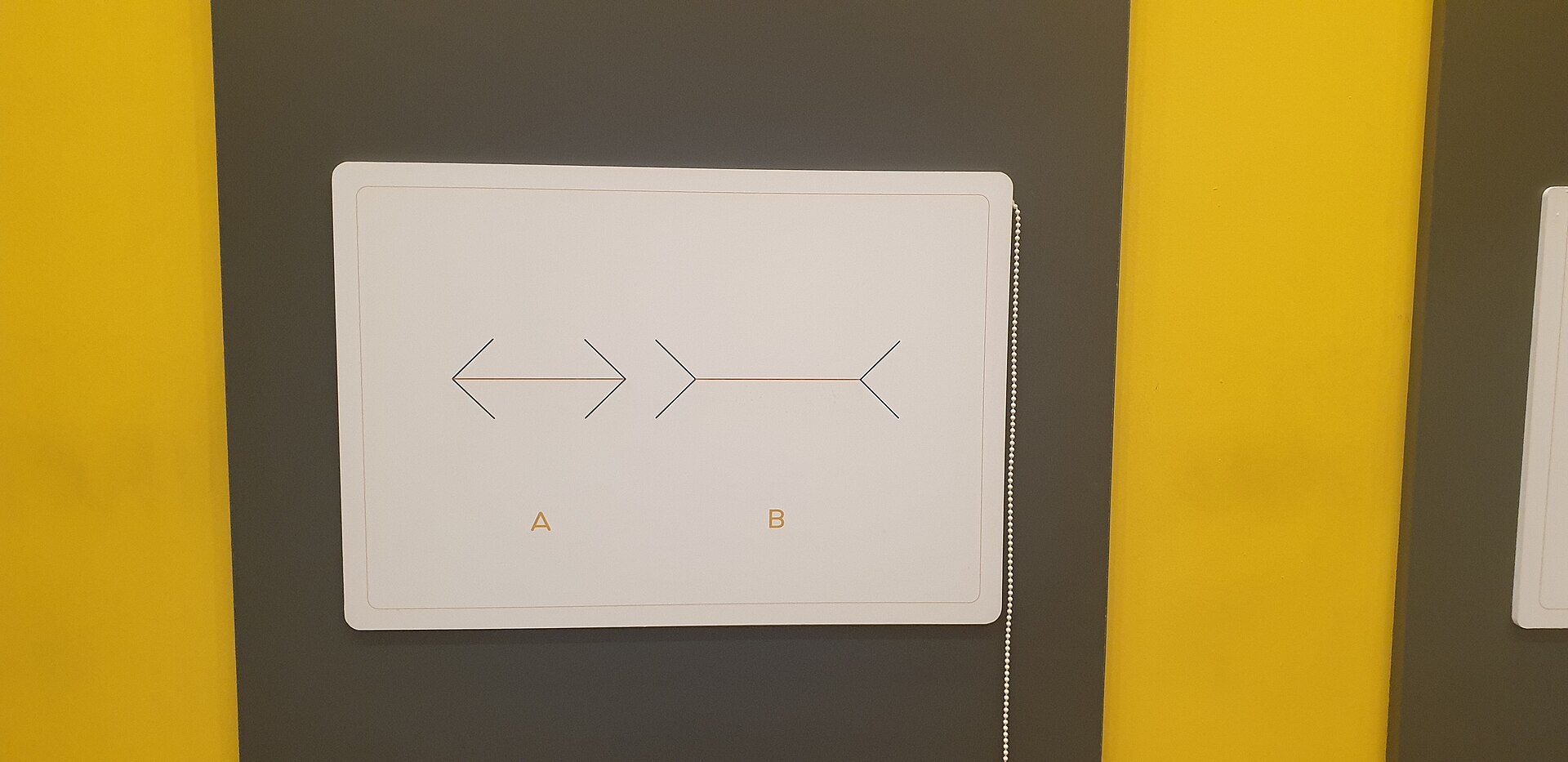
The other day a reader asked me why, on a blog where we talk about business, investing, financial education and so on, we so often include articles about cognitive biases, since in his view biases are more of a topic for psychology websites. It’s a great question, and we’re going to answer it right away.
First of all, a business doesn’t run itself. We run it. We have a brain, and our brain is biased. The success of our business depends on our brain. What happens when we let certain biases into our entrepreneurial mindset, and how can they affect the decisions we make in business?
We start from the premise that our brain is faulty, so let’s look at how to fix it.
1. How confirmation bias affects us in business
Just as we’ve already discussed the danger this bias poses for investing, the same thing happens in business: we tend to surround ourselves with people who think like us. And if we surround ourselves with people who agree with everything we do and say, nobody will challenge us to improve our initial ideas and thinking.
If our ideas are right, our crew will follow us to success. If not, they will also follow us to failure, while we go on feeling grateful for having such a loyal workforce.
So we need people in our company who see things differently from us and take an objective view.
2. The gambler’s fallacy
Remember it? If we toss a coin 100 times, probability says it will come up heads 50% of the time and tails the other 50% (approximately). Now that those “Paulo Coelho”-style quotes are doing the rounds on social media, telling us that to succeed you first have to fail and that the more times you fail, the closer you are to success… I have to say that, from a statistical point of view, that is completely false.
Statistics are very powerful, and the truth is that if you have failed 10 times, you will most likely fail 5 more times, especially if you keep doing the same thing you’ve done so far. And once you’ve failed 15 times in a row, failure number 16 will come all by itself. When it comes to business, every time you start one the failure rate is 80%, so you will have to do what the other 20% do.
Let’s explain it with football:
“If one player misses 15 penalties and another scores 15 in a row, who would you trust with penalty number 16? It’s simple. This happens because the player who misses 15 penalties doesn’t miss them because of statistics. He misses them because he’s bad at taking penalties. The same goes for business, for sales, and even for going out to pick someone up on a Saturday night.”
3. Status quo bias
We always say that one of the main reasons business owners fail over time is that they don’t want to leave their comfort zone (their status quo), and success rarely comes from comfort and low risk. Want to succeed? Take risks. Want to be very successful? Take many more risks and try to control them. Want to fail? Stay in your comfort zone.
4. Commitment bias
This is one of the most common biases among Hispanic business owners. Once you’ve put 3,000 or 30,000 euros into your business, how could you close it and write that money off? Sometimes the money already invested becomes a brake on closing the business, even when we can see we’re piling up more losses.
If we fall victim to this bias in business, not only will we increase our losses, but we’ll also be wasting time we could spend shaping another business idea.
5. Comparison bias
This bias is also very common, with the drawback that we always tend to compare ourselves with others in the least helpful way. Sometimes we compare ourselves with a hugely successful entrepreneur only to hurt ourselves psychologically with envy, until we end up saying: “well, the guy just got really lucky”.
At other times we tend to compare ourselves with businesses that are doing worse than we are, so that we can console ourselves.
There’s nothing wrong with comparing yourself with others, but make sure you compare yourself with companies that have done better than you, and not out of envy, but out of admiration and a wish to learn. That’s the only way to move a business forward. And above all, don’t compare yourself with someone whose methods border on the illegal or the unethical and try to imitate them for short-term success.
6. The frequency illusion
This is the bias that makes a pregnant woman see pregnant women everywhere, or that makes you see the car you’ve just bought everywhere you go. You think there are more of those cars, or more pregnant women, than before, when the truth is that your brain is tricking you by making that information stand out.
This bias is very dangerous when you are drawing up a business strategy or doing home-made market research, because we want our business to work so badly that we’ll see potential customers for our product everywhere. This bias leads us to unreliable market research based on our wishes rather than on the reality of the potential market.
And I could go on and highlight more than 40 known biases that can affect us both in business and in sales. Always remember that your brain can be your best friend and ally, but if you don’t keep it under control, it can end up becoming your worst enemy and even lead you to self-destruct.
Further reading
- 3 books every business owner should read
- 2 biases that endanger your finances, and how to make your brain a counteroffer
- 10 pieces of life advice you’ll be grateful for after 30
Featured image: Hamaredha, CC BY-SA 4.0, via Wikimedia Commons.



