

Editor’s note: This article was first published in May 2014, and its references reflect 2013-2014: the Spanish preference shares mis-selling scandal and calls for those responsible for the financial crisis to pay.
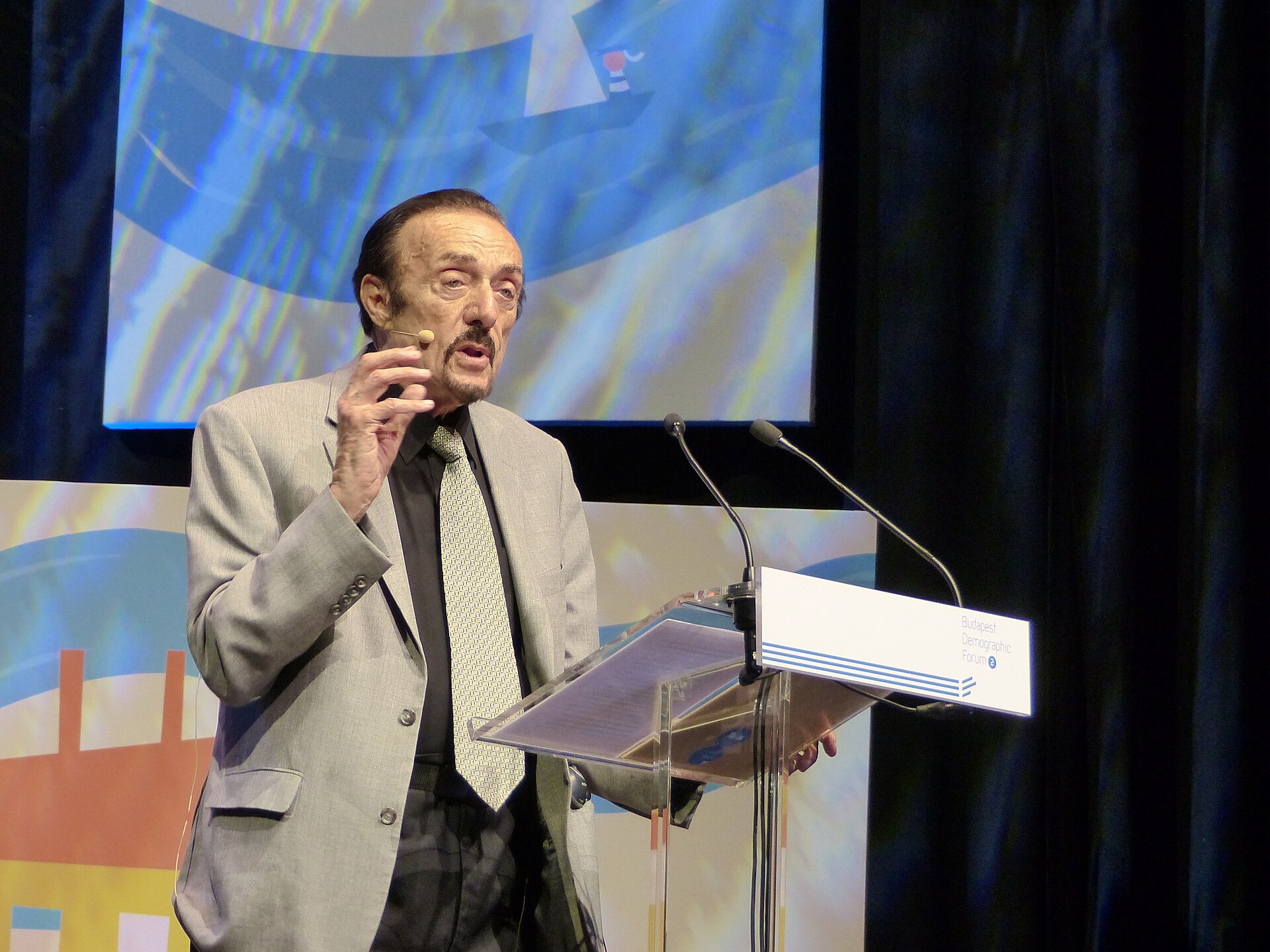
Anyone can be led to cross the porous line that separates good from evil. According to psychologist Philip Zimbardo, deception, lying, theft, bribery and much worse depend less on people’s character and upbringing than on the situations those people find themselves in.
According to Zimbardo, it is highly likely that the very people who attack, criticise and condemn certain crimes would act in exactly the same way if they were in the same situation as the person committing them. In what cases and circumstances would a good person do bad things they never thought of or planned to do?
1. When people have an ideology to justify their actions
Zimbardo was called as an expert witness in the trial over the US military’s abuse and torture of Iraqi prisoners. According to the psychologist, those soldiers, whose records were spotless, had an ideology to justify their actions. That ideology was national security after the attack on the Twin Towers, so the soldiers believed that anything they did was justified. They clearly crossed the line between good and evil, and some acknowledged it by pleading guilty.
2. When people are given power, they end up abusing it
In 1971, Zimbardo carried out an experiment simulating a prison, in which university students played the roles of both “prisoners” and “guards”. In just six days, the students who became guards began behaving abusively, ignoring the potential harm they were doing, harm they would previously have criticised.
3. People who wear uniforms or masks tend to develop high levels of cruelty
People tend to be more aggressive when they feel anonymous. According to Zimbardo, when identities are hidden, violence increases. Because nobody knows who you are, you do not feel individually responsible for your actions. There is also a “group effect”: when everyone is masked by anonymity, it tends to breed fear towards people who cannot recognise you, and so you can end up losing your humanity.
Many of you will now be thinking of abuses by police and riot police at demonstrations, but for many social scientists, the best reflection of how anonymity makes you crueller is the cruelty of the comments that anonymity allows on the internet.
4. Tunnel vision
At what point do we lose our ethics without realising it?
When Enron offered its employees bonuses for sales, the salespeople became so focused on meeting their sales targets that they did not ask themselves whether the deals were really good for the customer, or ethical, or moral.
The same thing happened with preferentes in Spain (preference shares that banks sold to ordinary savers), where even 27-year-olds working at a bank pushed these products onto relatives and friends because they were following the bank’s orders.
When bribery becomes normal practice (something everyone does) and accounting fraud is called “financial engineering”, even the least ethical behaviour can seem normal. Even using nicknames or euphemisms for questionable practices can free our minds from moral connotations.
For example, saying you are going to “cut costs by firing people” is not the same as saying you are going to make a “budget adjustment to save Spaniards money”. Either way there will be layoffs, but it does not sound the same.
5. When people feel undervalued
In large companies, when employees start to feel more like a number or a cog in a machine than like flesh-and-blood individuals with a name, it tends to lead to less ethical behaviour, making them more likely to commit fraud or to harm the company through negligence.
Even faithful people could end up being unfaithful if they do not feel valued by their partner.
6. The way a group sees you makes you more likely to live up to that view
The way people are seen influences how they behave. People act according to the expectations you place on them.
If a company views its employees with suspicion, as potential thieves, they are more likely to end up stealing from it. If you treat your child as a failure, you make it more likely that they will become one. This is what psychologists call the Pygmalion effect.
7. When people feel their freedom is being limited by others
When authority figures start imposing rule after rule, each one tightening the screws and restricting people’s freedom, people tend to rebel. It is basically a survival instinct. One study showed that school walls with a “Do not paint on the walls” sign had far more graffiti than walls with no sign at all.
8. When an environment is damaged, people tend to ignore the rules
When people see disorder and disorganisation, they assume there is no real authority, which creates the ideal environment for overstepping legal limits.
It is in this kind of disorganised environment that banks and governments have committed the biggest economic crimes. There was so much disorder and so little control that it seemed as if anything was allowed.
9. When people have been ethical for a long time
If you have always been ethical and never received any reward for it, it is as if you had a “redeemable voucher” to justify immoral behaviour, especially if you see people who have not been ethical at all being more successful than you.
That is why it is so important that those responsible for the financial hell created in the economy pay for it. Otherwise we are sending a very dangerous message to people who have been ethical all their lives: that stealing and bribing might not be so bad after all, and might even have its rewards.
This is a summary of the original article by Drake Baer, with contributions from Max Nisen and Aimee Groth, based on the research of psychologist Philip Zimbardo. We have adapted, modified and summarised part of the content.
Further reading
- 8 life lessons from Warren Buffett
- Success in life is not a marathon but a maze
- How to succeed when you have no special talent
Featured image: Elekes Andor, CC BY-SA 4.0, via Wikimedia Commons.



