While the traditional route to mastering a particular subject has been hours of practice (it is said that you are not a master until you have put in 10,000 hours), the only way to rack up those 10,000 hours and survive the grind of repetition, even of the tasks we enjoy least, is to do what you are passionate about.
Robert Greene, author of Mastery, says that to master a particular field you have to love it and have an emotional, personal connection with it. To discover our passion, we cannot sit around waiting for the light bulb to switch on. Greene says the quickest way is to keep trying new things and learning different subjects until something “clicks” in our heads and we decide we want to learn everything about it.
To Greene, it is baffling that in the internet age so many people have still not found their passion. After all, all the information is online, information of every kind and from the most varied sources.
We ought to be much smarter, but the human mind has betrayed us to such an extent that we have used the internet to fill ourselves with information we already had, and which so far has not taken us anywhere. The internet can be our best friend or our worst enemy, depending on how we use it.
Even so, it is a learning opportunity that, had the great geniuses of history had it, would have made them even greater today.
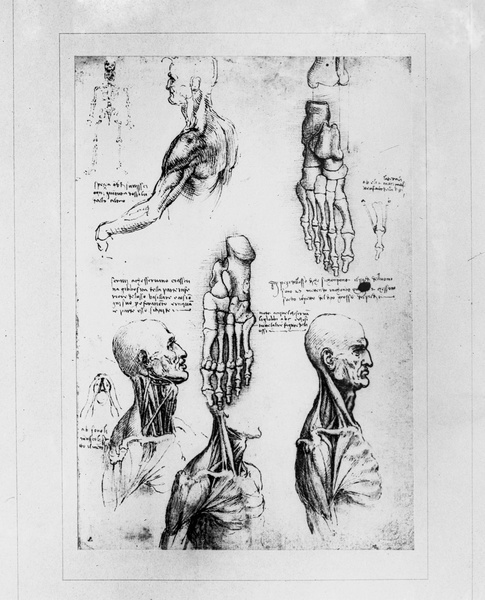
It is said that Leonardo da Vinci spent 10 years learning about human anatomy. If Leonardo had had the internet, he would have learned in under 20 minutes what took him those 10 years in his day. The same goes if we want to learn English, finance or everything about business. There is not a single lesson taught at university that you cannot learn online today.
What I mean by all this is that today you can learn in a couple of months about the stock market, finance and business what took many of us several years. But you will have to compare and filter the information you receive, because if you use the internet to confirm the lessons (true or false) you already knew, you are not really learning.
We also need to learn to be disciplined, because new technologies are also one of the biggest distractions of modern times. It seems compulsory to drop what we are doing when a WhatsApp message or an email arrives, when in reality we should switch off all those distractions.
If you have all the information within reach but cannot be disciplined in this respect, you are not really getting anywhere.
The greatest tech entrepreneur, Steve Jobs, used to shut himself in a room at Apple’s offices with no phone, no computer and express orders not to be disturbed, until he came out with the solution to the problem or the idea he was looking for. That genius mind would hardly have been able to work if it had been interrupted by the dozens of distractions we fight every day.
If you can manage that level of self-control, the internet is your greatest ally for improving yourself
And once you have acquired the knowledge you wanted in your chosen subject, it is time to put it into practice, because most people acquire that knowledge and then stall.
Mastery is the art of setting yourself a challenge
You have to experiment and try, find what works and what does not, doing the things that suit you best and not only the ones that fit the rules you have learned. You will write your own rules, which, according to Greene, is what true masters do.
Let me give you an example. As many of you know, when it comes to investing I am no fan of trading and I love the long term, but that didn’t mean I limited myself to learning about long-term investing. I learned about trading, I tried trading, I made and lost money trading, and in the end I concluded that if I took the tools and indicators traders use and applied them to long-term investing, I would have an excellent way to spot good entry and exit points in some stocks, squeezing the most possible return out of shares and running very profitable investment strategies through trend trading.
So I learned a lot from some techniques used by people who usually lose a lot of money by the end of the year. It is not what you learn, but how you apply your knowledge and how you combine it with what you already know.
“First we learn the rules, then we break and change the ones we see fit, and finally we rewrite our own rules.” That is how mastery is achieved, but we must always keep learning.
Further reading
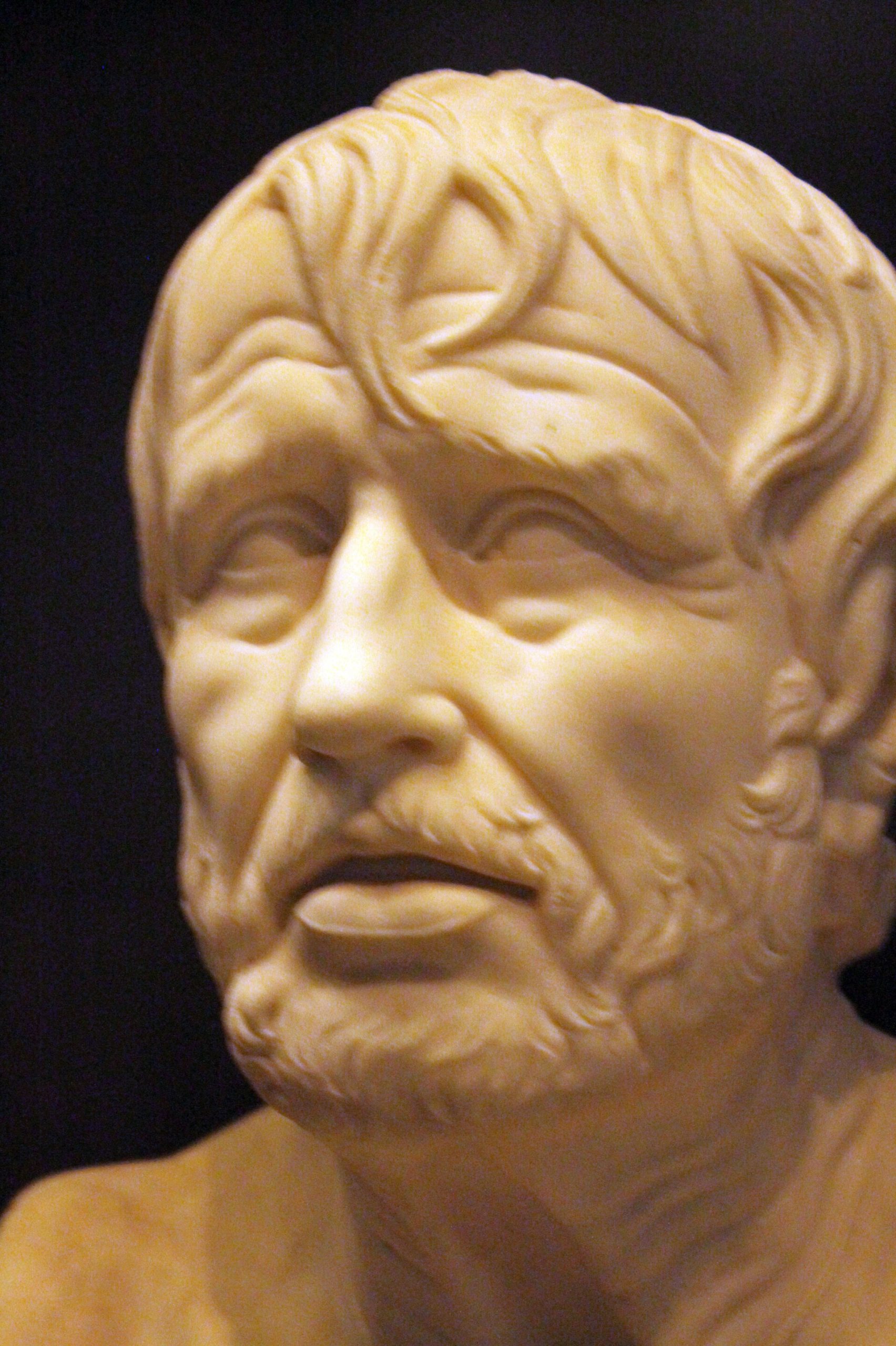
Featured image: Leonardo da Vinci, Public domain, via Wikimedia Commons.