Editor’s note: This article was first published in April 2013, reporting a news item from that month; its euro equivalents (£6 as €7, £625 as €730) use the exchange rate of the time.
A British woman, Siobhon Peers, took her late father’s ashes to a branch of Royal Bank of Scotland (RBS) to prove that he was dead, so she could stop receiving the many letters chasing a debt that had started at £6, about €7, and had grown to £625 (€730) through late-payment interest, default charges, collection fees and so on.
As reported by The Telegraph, Ms Peers says that when she received the first letter demanding the debt, she sent a copy of the death certificate so that they would close her father’s account. Even so, the bank insisted that this was not good enough, as she had to present the original certificate in person.
Meanwhile, Ms Peers kept receiving more and more “threatening” letters, as the debt had been passed on to a debt collection agency. She says she received more than 20 letters, so, fed up with the “comical” situation, she picked up the urn with her father’s ashes and went to the branch. Once there, she presented the original certificate they had demanded and also showed them her father, or rather, what was left of him.
The bank staff, unsurprisingly, were taken aback by the scene and ended up apologising to her. Still, it could have been worse: the branch manager could have gone one step further and asked, “And how do I know those are your father’s ashes and not the ashes from a barbecue?”
Jokes aside, once again we see a lack of tact and scruples, and usury yet again: going from a €7 debt to €730 is “outrageous”.
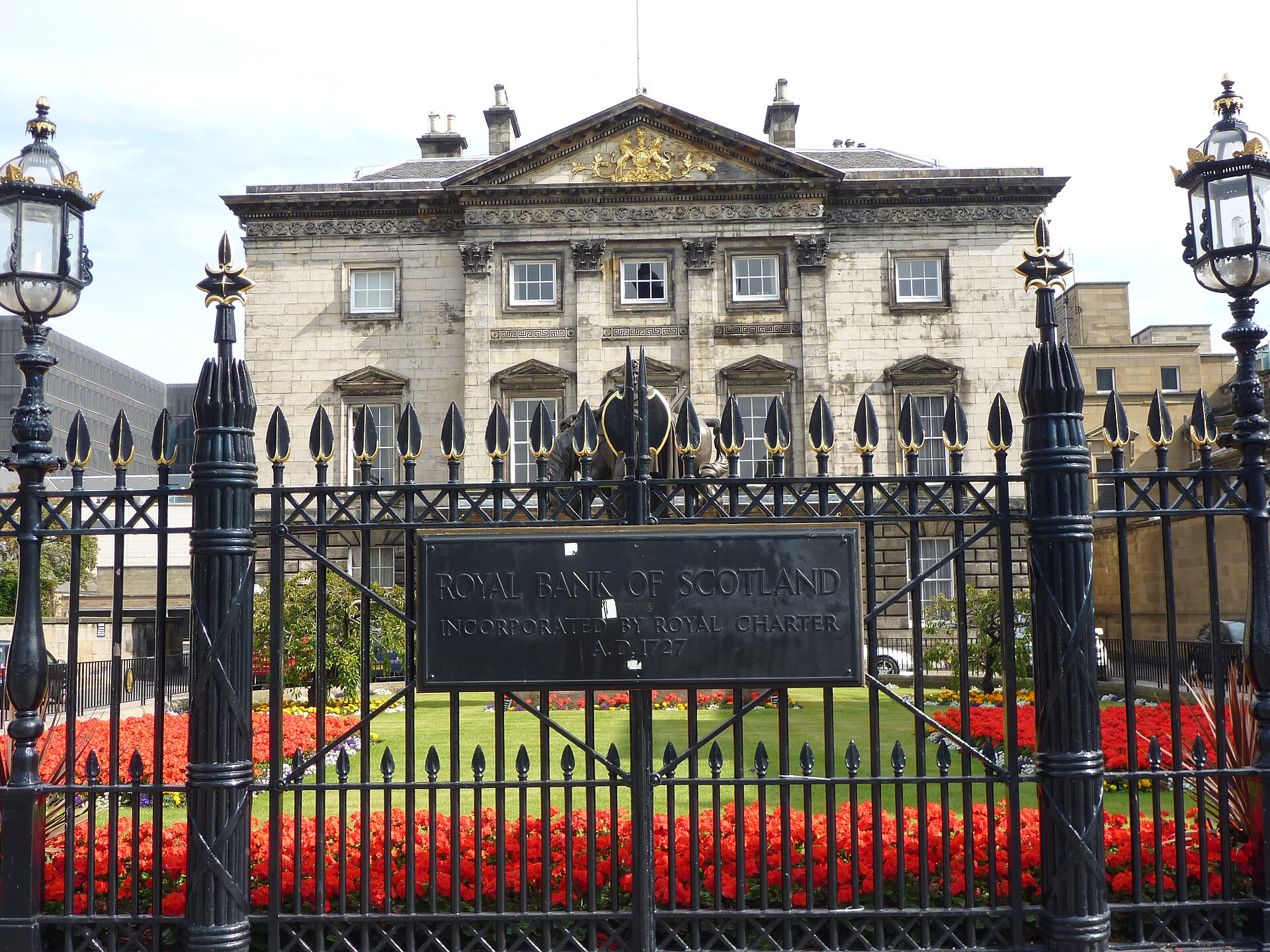
Featured image: Edinburgh Architecture : The Royal Bank of Scotland, St Andrew Square by Richard West, CC BY-SA 2.0, via Wikimedia Commons.