Editor’s note: This article was first published in July 2013. Its figures are as of mid-2013, including 400 Zara stores in China, 80-100 new stores a year planned in Asia and H&M’s plans for 350 large stores in Asia. The 150-euro price target for Inditex shares predates the company’s 5-for-1 stock split in 2014.
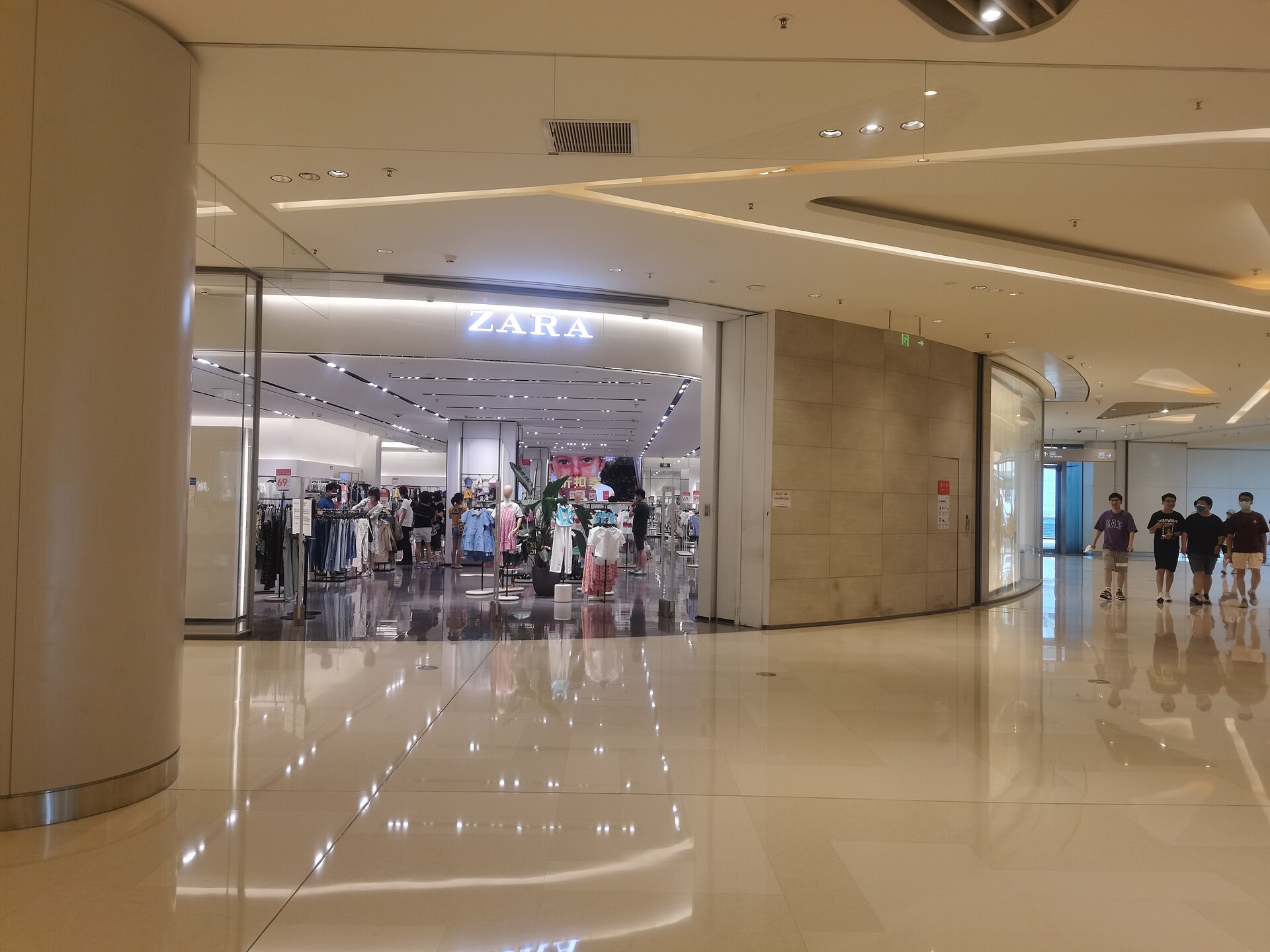
Zara’s (Inditex’s) strategy for expanding outside Europe has left its fashion rival H&M on the back foot. While H&M has been focusing too heavily on shoppers in Western Europe, Zara has managed to map out an expansion plan for the Asian market, including 400 stores in China and plans to open 80 to 100 stores a year across Asia, according to Bloomberg.
Meanwhile, H&M is trying to make up for lost time with plans to open 350 large stores in Asia, but Inditex already has a clear lead. What’s more, its revolutionary fast supply chain makes it very hard to compete with Amancio Ortega’s company, since the group’s lead times are much shorter than those of other clothing chains.
In addition, Zara’s strategy involves very little stock thanks to its model of continuously refreshing its collections, which can happen as often as twice a week. Right now there isn’t a single clothing chain in the world that can keep up that pace of renewal, and that is undoubtedly what has taken Inditex to where it is today.
According to some experts, the fact that H&M has taken so long to launch online stores (they’re in the works) while also losing exposure outside Europe will weigh on its results relative to its rivals over the next three years.
Most have no doubt at all that Inditex will end up leading the global fashion market by a wide margin. Victoria Bernal has once again given it a price target of €150, although she reminds us not to lose sight of what will be its biggest rival, Uniqlo, the so-called Asian Inditex.
Further reading
Featured image: Shwangtianyuan, CC BY-SA 4.0, via Wikimedia Commons.