Editor’s note: This article was first published in April 2013; the references to the Galaxy S4 and BlackBerry Z10 as new devices, to Research In Motion’s renaming as BlackBerry and to Samsung as the world’s top smartphone seller reflect that time.
Over the last 40 years, the mobile phone has gone from a heavy, sturdy, bulky luxury item that could only make and receive calls, within reach of a lucky few, to a sleek, ultralight device that anyone can afford and that we can use for practically anything. Here are 40 years of history of the companies and mobile phones that now run our lives:
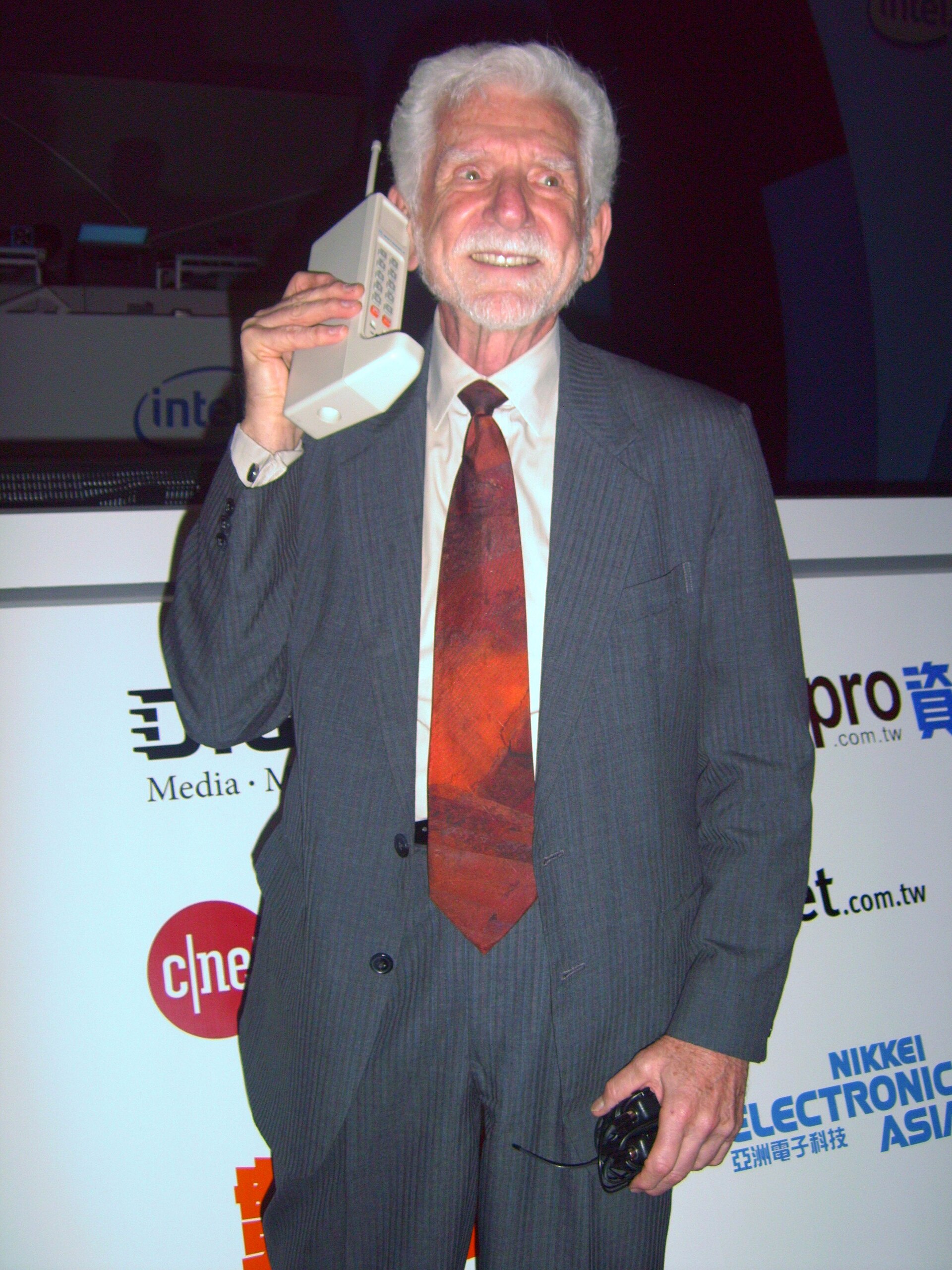
1973: Dynamic Adaptive Total Area Coverage (DynaTAC)
In 1973, Motorola made its debut with the first portable phone in history, the DynaTAC, laying the foundations of what we now know as the modern smartphone. Martin Cooper, a Motorola vice president, made the first “mobile” call in public.
1983: Motorola DynaTAC 8000X
It became the most famous phone of its day, popular with the upper class thanks to its appearance in the film Wall Street: it was Gordon Gekko’s phone. The Motorola DynaTAC 8000X weighed almost 2 kilos and cost 4,000 dollars.
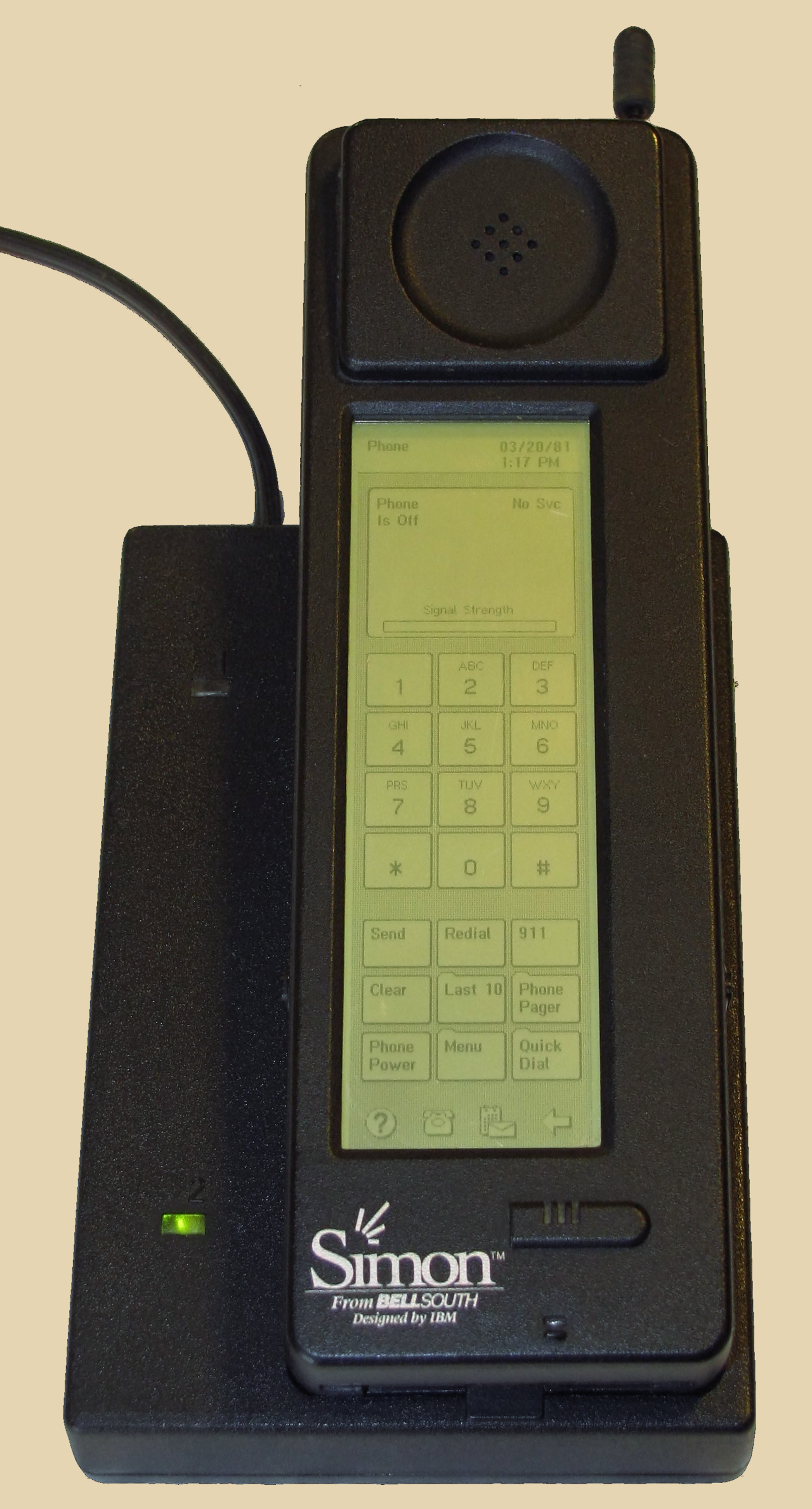
1993: IBM Simon Personal Communicator
Probably the first smartphone. It had a calendar, an address book, a calculator and a touchscreen, which are very common features in today’s mobile phones, but in 1993 that was groundbreaking, which is why it cost around 900 dollars.
1996: Motorola StarTAC
Motorola reinvented itself with the StarTAC, the first compact folding phone. What stood out about this phone was that it proved a mobile didn’t have to be “a brick”. It was a sales success all over the world.
1999: Nokia 7110 and Samsung SPH-M100
At the height of the dot-com bubble, Nokia’s 7110 reflected explosive technological progress. The 7110 was the first mobile phone to offer a WAP (Wireless Application Protocol) browser, allowing users to access the web.
The Samsung SPH-M100 was not far behind, and Time magazine went on to name it one of the 100 best inventions from 1923 to 2010. Samsung was the first company to make a mobile phone with an MP3 player. It sold for 400 dollars.
2002: Nokia 7650 and Sony Ericsson P800
The Nokia 7650 was Nokia’s first smartphone with a built-in camera. The company was also the first to include the Symbian operating system. The phone gained popularity thanks to its appearance in the film “Minority Report”. Mobile phones were starting to gain some colour.
The Sony Ericsson P800 was one of the most eagerly awaited smartphones of 2003. It was also one of the few with a touchscreen. It had Bluetooth and a VGA camera that was high-tech (for the time).
2003: BlackBerry Quark 6210
In 2003, Research In Motion (now BlackBerry) launched the BlackBerry 6210, one of the most popular smartphones.
2007: iPhone
In 2007 came the device that would revolutionise the mobile industry. On 29 June 2007, the first iPhone arrived, courtesy of the late Steve Jobs.
The dominant operating systems at the time were BlackBerry OS, Symbian and Windows Mobile, but iOS let users take advantage of the Apple ecosystem. People queued at the shops to be among the first to get their hands on the device, priced at 499 dollars for the 4 GB model and 599 dollars for the 8 GB model.
2010: Samsung Galaxy S
In 2010 Samsung became a serious threat to Apple’s dominance in smartphones. Its Android (Google) smartphone, along with many other technical details (which, according to some tech experts, outperform the iPhone), sold 10 million Galaxy S phones worldwide. Although Samsung has no single device that has sold more than the iPhone, the fact is that Samsung is, as of today, the company that sells the most smartphones in the world.
2013: Samsung Galaxy S4 and BlackBerry 10
And finally, the new Samsung Galaxy S4, designed to dethrone the iPhone. Meanwhile, BlackBerry is reinventing itself with the BlackBerry Z10, which swaps the classic keyboard for a touchscreen.
As we can see, there have been huge changes over the last 40 years.
Source: CNBC
Further reading
- What the internet looked like in 1995
- 6 serious mistakes Tim Cook has made as Apple’s CEO
- Google Glass: 7 industries it could revolutionise
Featured image: Rico Shen, CC BY-SA 3.0, via Wikimedia Commons.