Editor’s note: This article was first published in May 2011, right after Iceland’s second Icesave referendum in April 2011. The dispute with the UK and the Netherlands ended in January 2013, when the EFTA Court ruled in Iceland’s favour.
According to the experts, the people of Iceland were the happiest on the planet. They lived peacefully, had no economic problems, and the country was a tourism benchmark with zero unemployment and a poverty rate well below the European average. That changed with the financial bubble in 2008.
The population is now in debt and angry, although Icelanders are aware that they share part of the blame for letting themselves get into debt. Even so, they have made their voices heard after letting Iceland’s banks fall and refusing to inject public money into them. They forced the government to resign, so responsibility for paying the debts of their financial institutions will now be put to a vote and placed in the hands of the people.
For now, a large majority refuses to pay, and they will look for ways to make the executives who got them into the crisis pay instead: first with the banks’ assets, second with the bankers’ personal assets, and third with prison.
They know that if they don’t pay the debt their country has taken on, they risk being left isolated as a country, shunned by the markets, and the United Kingdom has already announced it will take Iceland to court.
What Icelanders are saying varies a great deal:
- Letting the banks fall has helped us get out of the crisis faster. (Ólafur Ragnar Grímsson, President of Iceland)
- We have the right to demand explanations from those who have governed us.
- We haven’t had a revolution in Iceland. We shouldn’t call it that; we have simply made use of democracy.
- We’re not refusing to pay the consequences of the crisis; we’ll simply find a way to make the people who got us into it pay.
They are ordinary citizens of a country, and that is why they believe they are the country, so they should be the ones who decide. They are not alone: they have the support and admiration of people all over the world, including media such as the Financial Times, which came out in defence of the citizens, arguing that they should not be used as an insurance policy by the banks.
So that is the situation in Iceland, a situation caused by the very people responsible for a financial system that has been corrupt. They took risks in search of high returns and quick money, but they did so safely, because if things went wrong and the market collapsed (as it did), they knew they could fall back on the public and on government help. And government money, after all, is the people’s money.
Further reading
- Could we find the people responsible for the crisis in Spain?
- Inside Job: audiences leave the cinema as if they had seen a horror film
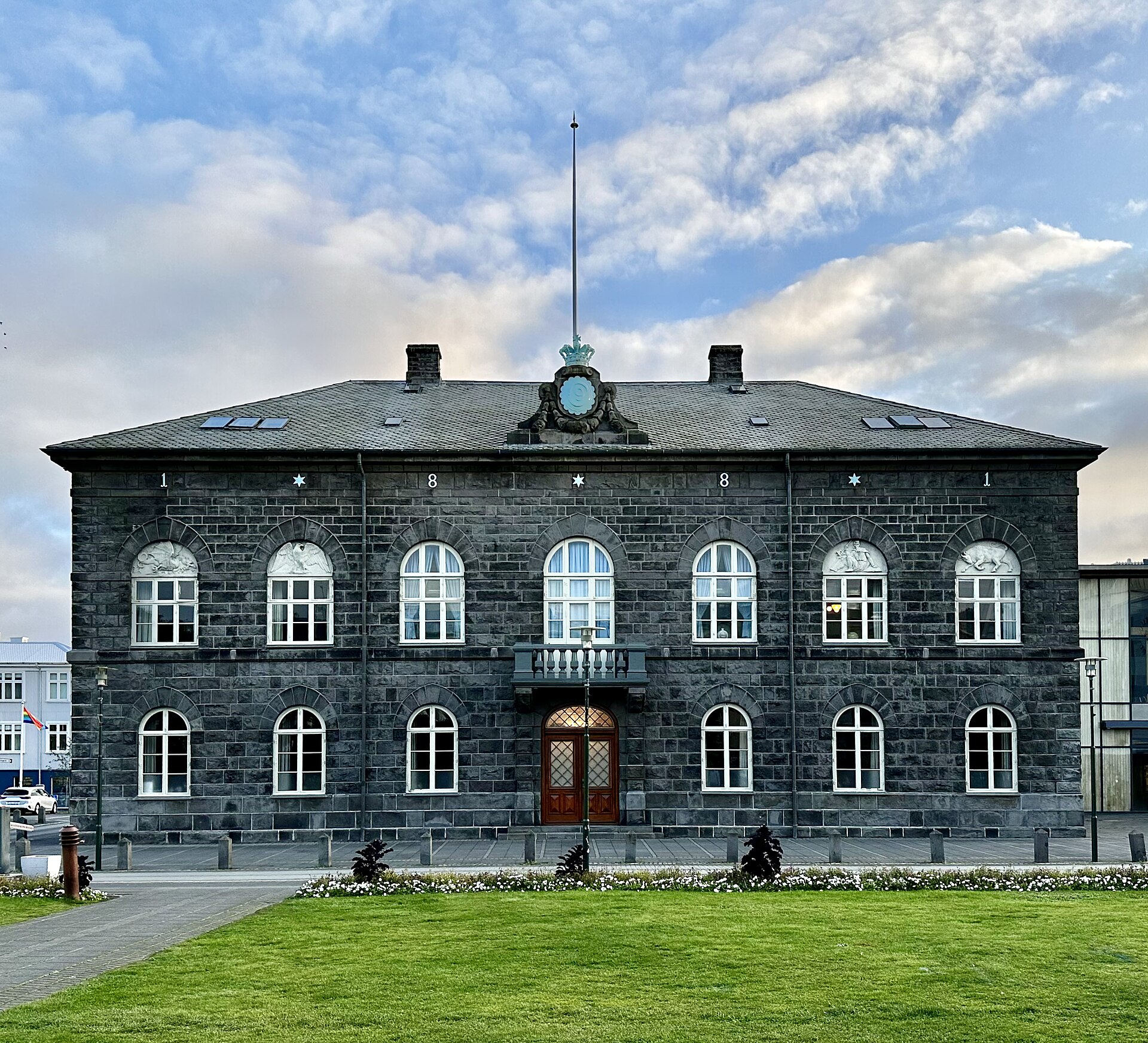
Featured image: APK, CC BY-SA 4.0, via Wikimedia Commons.