Editor’s note: This article was first published in October 2011 at the height of the eurozone debt crisis; the 23 October meeting of finance ministers, the bank bailout debate and the recession forecast all refer to that moment.
Roger Nightingale, an economist at RDN Associates, was blunt in an interview with CNBC. In his view, the euro was doomed to fail from the very beginning, and that is why Europe has the problems it has; now, at best, Europe is heading straight into a new and dangerous recession.
Europe will bring its finance ministers together on 23 October to try to find a solution to the debt crisis, although according to Nightingale the crisis won’t be resolved, because European politicians refuse to see the reality that is obvious from the outside.
The economist finds it strange that the European Union has lasted this long, and he is surprised (as I am) by the endless use of temporary patches to put off the inevitable.
According to Roger Nightingale, the banks should never have been rescued. If they are in trouble, he argues, they should be allowed to go, leaving only the solvent banks standing, which would have healthy finances because they had not committed as many excesses and irregularities as the rest. That, he says, is the price to be paid for speculation.
I certainly think Roger is right. The huge bank bailout will hit the global economy directly, because once the banks have been injected with the capital they need to clean up their books, they won’t open the credit taps. That money will go towards paying for the excesses they have piled up in the past.
The economist points out that no single currency in history has ever worked without a union of policies among the countries that make up the monetary bloc. In Europe’s case, every country is rowing in a different direction, and some are already considering leaving the European Union, as is the case with Finland.
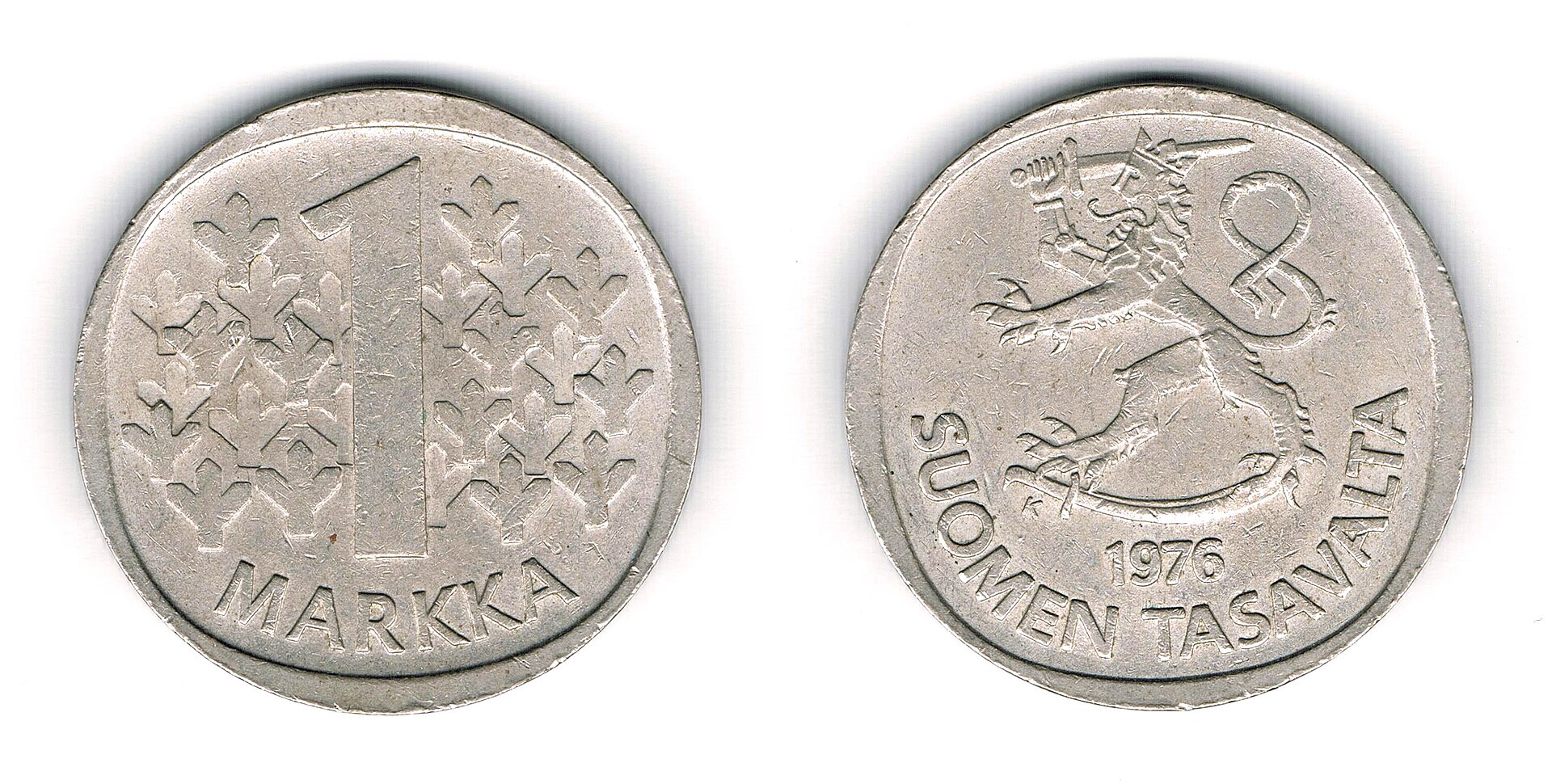
Finland has described the European Union as a chaotic monetary zone with extreme instability, too focused on containing the debt crisis. By leaving the eurozone, the country would benefit from a rapid appreciation of its own currency (the markka) and avoid the cost of present and future bailout “packages”.
Some already see this as the beginning of the end of the euro.
Featured image: Central kernel, CC BY-SA 4.0, via Wikimedia Commons.