

Editor’s note: This article was first published in July 2013. Its references to the 2013 Wimbledon final and to Spain’s national team’s run of titles (2008–2012) reflect that moment.
There isn’t much difference between success in sport and success in business. Richard Branson shared some lessons from sport that we can apply to business, and with Mr. Branson’s permission, I’m going to be bold enough to personalize and expand on some of them. To begin with, discipline, perseverance and effort are what we’ll need in sport and in business alike, as well as in our careers.
1. Teamwork
In business as in sport, the most important thing is working as a team. Think of a football team in which everyone knows their role perfectly. Even though football has its stars, they wouldn’t win matches without the support of the rest of the team.
In sport, as in business, everyone has to support the others, be very clear about their role and fight for a common goal. Success only comes from working as a team and being surrounded by a good team. Spain’s national football team has taught us a great lesson: while our league tends to sign big football stars, the national team has won without any of those stars simply by doing good teamwork.
(Read: Richard Branson’s 9 tips for entrepreneurs)
2. Surround yourself with people who make up for your weaknesses
Whether you’re choosing a partner for your business or hiring new staff, don’t look for someone who is just as good as you at what you do and who thinks the same way. Look for someone who makes up for many of your weaknesses and the team’s. Imagine a football team with only strikers, or only defenders, or worse still, no goalkeeper. We have to fill each position with the right person and diversify their skills and attitudes. That’s a team.
3. The mentor
Spanish companies don’t give mentors much importance. In sport, on the other hand, the role makes more sense, whether through a coach or, as in Rafa Nadal’s case, where his own uncle has been his coach on the road to success. Branson acknowledges that he has had several mentors who helped him a great deal in business, just as he has mentored other people. In the United States they often say, “Don’t choose a company, choose a boss,” and the truth is that, depending on the boss you have, you’ll leave a company either burned out or better prepared.
4. Beyond success or failure (winning or losing), you need a clear purpose
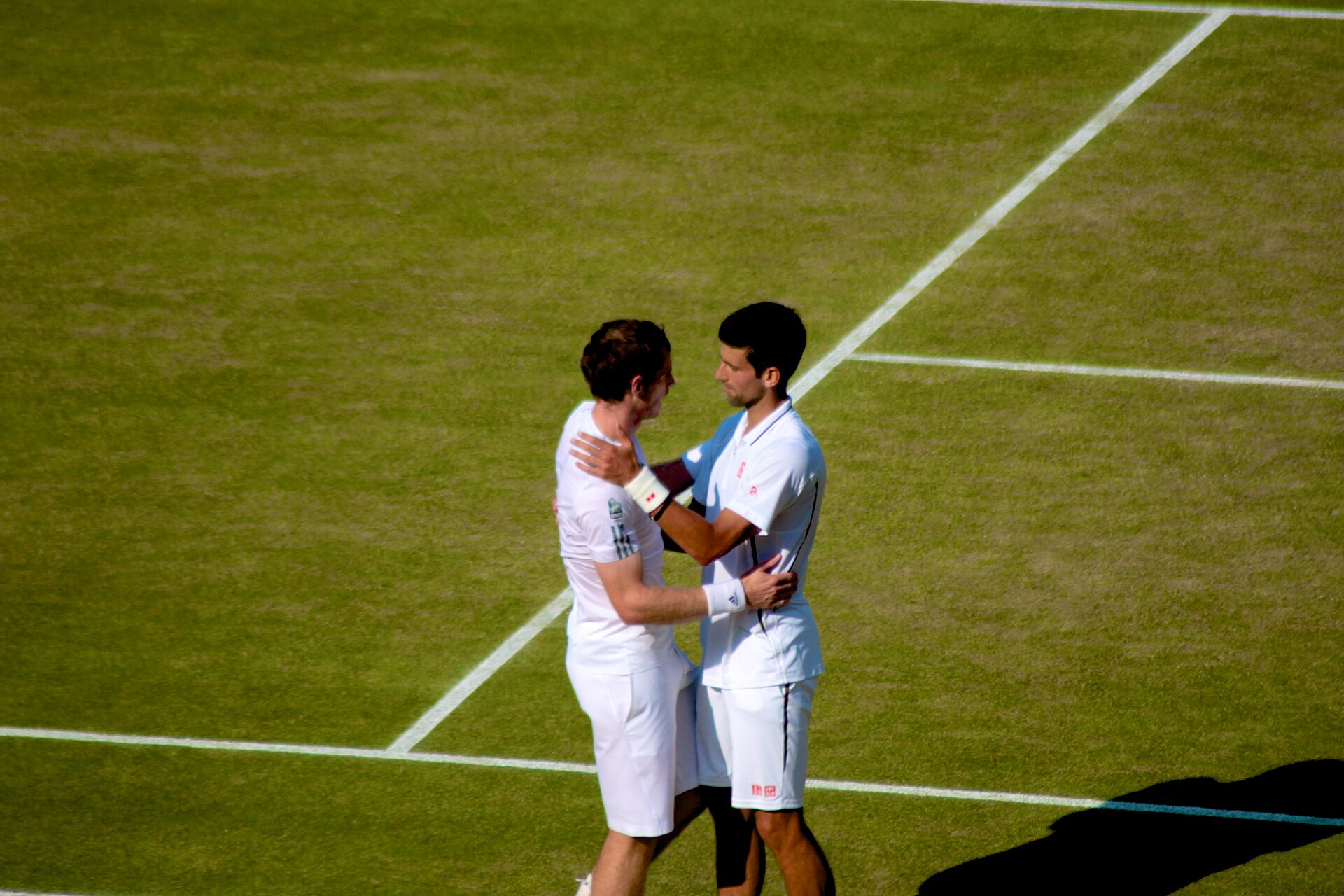
Branson says that Andy Murray and Novak Djokovic have a purpose beyond sport. After losing the Wimbledon final, Djokovic, instead of sulking, devoted himself to raising funds at a gala in London to help disadvantaged children. Murray, for his part, donated his winnings from the championship to support cancer charities.
Whatever stage your business is at, you should always think about how you can have a positive impact on people’s lives. That won’t just make you great as a businessperson; it will make you a better person and, in turn, a bigger figure in business.
5. When you lose…
When you lose in sport, there are no excuses. Your opponent was better. When you lose in business, there’s no doubt either: your competitors were better, or you weren’t as good as you should have been. Making excuses instead of facing a loss is what undermines your ability to learn from your mistakes.
6. There are decisive moments
In sport you can be the best, having worked hard and focused on a single goal, winning, but the real test comes on the day of the competition, and on that day, for various reasons or mistakes, you can fail and lose.
In business we also have decisive moments: a very important meeting, a negotiation, dealing with the loss of our main client or having to make a difficult decision on the spot. You can get it right or wrong, and that will determine the immediate outcome. If you fail, don’t get discouraged, because in business, just as in sport, there are always new competitions and new opportunities to prove your worth. “There’s nothing wrong with losing. What’s wrong is getting used to it.”
7. Avoid overconfidence at all costs
Along similar lines, we published 6 lessons from sport that apply to business, where basically all of them were tied to confidence, with some videos showing how certain athletes, even when they have the win in the bag, make a self-destructive mistake born of overconfidence.
Further reading
Featured image: Robbie Dale, CC BY-SA 2.0, via Wikimedia Commons.



