

Editor’s note: This article was first published in October 2015. Its examples, such as fax machines and customer service via Facebook and Twitter, reflect 2015.
We live in a constantly changing world, and companies also have to change to keep up with the times. A company that fails to adapt to the changes demanded by modern life can end up going bust, as happened in its day to Kodak, among others.
(See: The curious case of Kodak’s failure.)
What are the signs that a company hasn’t kept pace with the times and has become obsolete?
If your company is still doing any of these six things, it’s time to rethink how you work and adapt to the times.
It’s not just about productivity; it’s about keeping a finger on the pulse of how people do business today and what matters to them. According to Thomas Michael, CEO of Michael Management Corporation, these six things are probably holding you back.
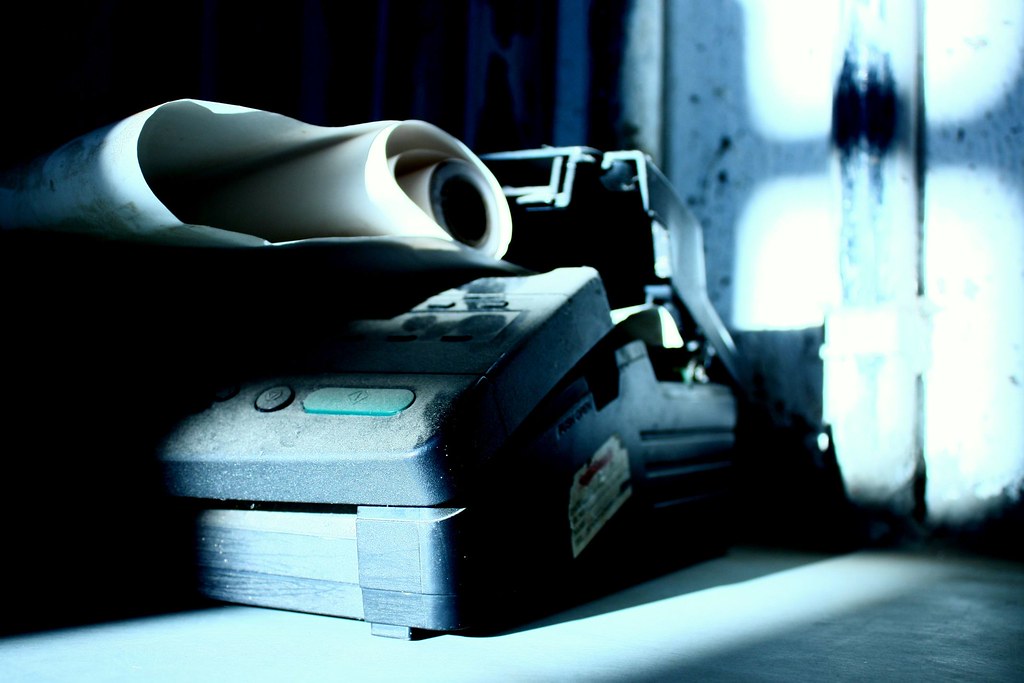
1. You still use a fax machine
When a company tells you “Fax it over to me” these days, it’s a clear sign that the company is stuck in the dark ages of business.
Fax machines have now been replaced by email. Even when a document needs to be signed, today’s business owner expects documents to be signed, scanned and sent by email. You shouldn’t expect customers or suppliers to have a fax machine.
2. Communication is by phone only
If a company sells any kind of product, it’s good to offer the option of calling a customer service number, but that shouldn’t be the only way customers can get in touch with the company.
You need to offer other ways of getting in touch to place orders, make complaints, return items and handle other matters. We live in the internet age, and all of the above should be possible online, not just by visiting the company or picking up the phone. If you don’t adapt, you’ll soon lose any customer base under the age of 40.
More and more companies answer questions through their Facebook pages and even on Twitter. Just as people will criticise your company online after a bad experience, you need to be very quick to resolve complaints and criticism on social media.
3. You still print everything
With very rare exceptions, you don’t need a paper copy. You can archive electronic documents, sign PDFs online and stop killing our trees. The risk here isn’t just to the planet; it’s to your ability to hire and retain quality employees. And if you don’t care about the trees, work out how much your company spends on paper.
Now, and for at least the last 10 years, many university graduates have been looking for companies with good environmental practices. There’s no need to have 15 printed copies of the minutes of the last meeting.
4. You still use traditional mail to do business
Postal mail may be even more obsolete than a fax machine, and it doesn’t fit with a planet-friendly approach. Today you can reach far more people through the internet and social media. That way, as well as reaching many more people, you also save paper.
5. Employees don’t have flexible working hours
Gone are the days when working 15 hours a day was a solid measure of success. If you allow employees to have flexible hours, they’re likely to be more productive than if you stick to the traditional “first in, last out” approach.
Sometimes a task takes longer because someone refuses to consider easier options. The person who stays late every day may need a little help with new ways of working smarter, rather than applause for being the last to leave the office.
When it comes to business, it’s important to stop clinging to the past and adapt to the times. The longer you cling to the past, the fewer opportunities the company has to thrive.
(See: 4 things highly productive people do differently)
6. Leadership is authoritarian
If the boss gives orders and direct instructions about what has to be done, and employees obey without being able to make any suggestions, that’s an authoritarian leadership style. This kind of leadership doesn’t work well today: it doesn’t encourage creativity, it can leave employees demotivated, there’s little communication and workers don’t feel valued, among many other things.
A company will struggle to adapt to the changes today’s market demands if its employees are demotivated and show little creativity.
Further reading
Featured image: Abhisek Sarda, CC BY 2.0, via Flickr.


