

I’ve sometimes been asked why we cover relationships on a site that’s more about business, finance and personal development. The truth is there are several answers. The first is fairly obvious: relationships are one of the 6 areas we need to work on in our lives (romantic relationships, friendships, working relationships…), together with managing our emotions. And make no mistake, matters of the heart will put your emotional control to the test very often.
The other answers are more varied. Sometimes I get bored and don’t know what to write about; I like to learn as much as I can about all sorts of subjects and I don’t like being too single-minded. In fact, at the end of the year I decided to take a break from my usual reading and switch to this subject (though I’m already back to my usual reading).
And because I find it a very interesting subject, one that people sometimes haven’t stopped to think about.
Finally, incredible as it may seem, these articles, which apparently have nothing to do with our main subject, have had more visits than many others that do. These are the best articles I’ve published on the subject over the years:
-
8 mistakes we make in relationships, from the point of view of neuroscience. In this article I brought together the ideas of three psychologists who specialise in relationships, excellent authors whose work I found brilliant.
-
How to get over a breakup in 72 hours. The title may seem a bit pretentious, but whether you manage it in 72 hours or a week matters less. Without trying to write a thesis, what I wanted was for you to grasp some ideas that I personally consider universal truths about love. Of course, some other things I said are just personal opinions that people may or may not agree with.
-
6 scientific facts about relationships (marriage) to keep in mind before you get married. Here we set out a series of scientific studies that had been published in the New York Times. They’re still just statistics, but interesting ones.
-
4 relationship habits most people think are toxic but are actually very healthy. There’s nothing worse than properly following a piece of advice you should never have been given. In this case, several experts on the subject say that some behaviours in couples that are thought to harm love are actually beneficial.
-
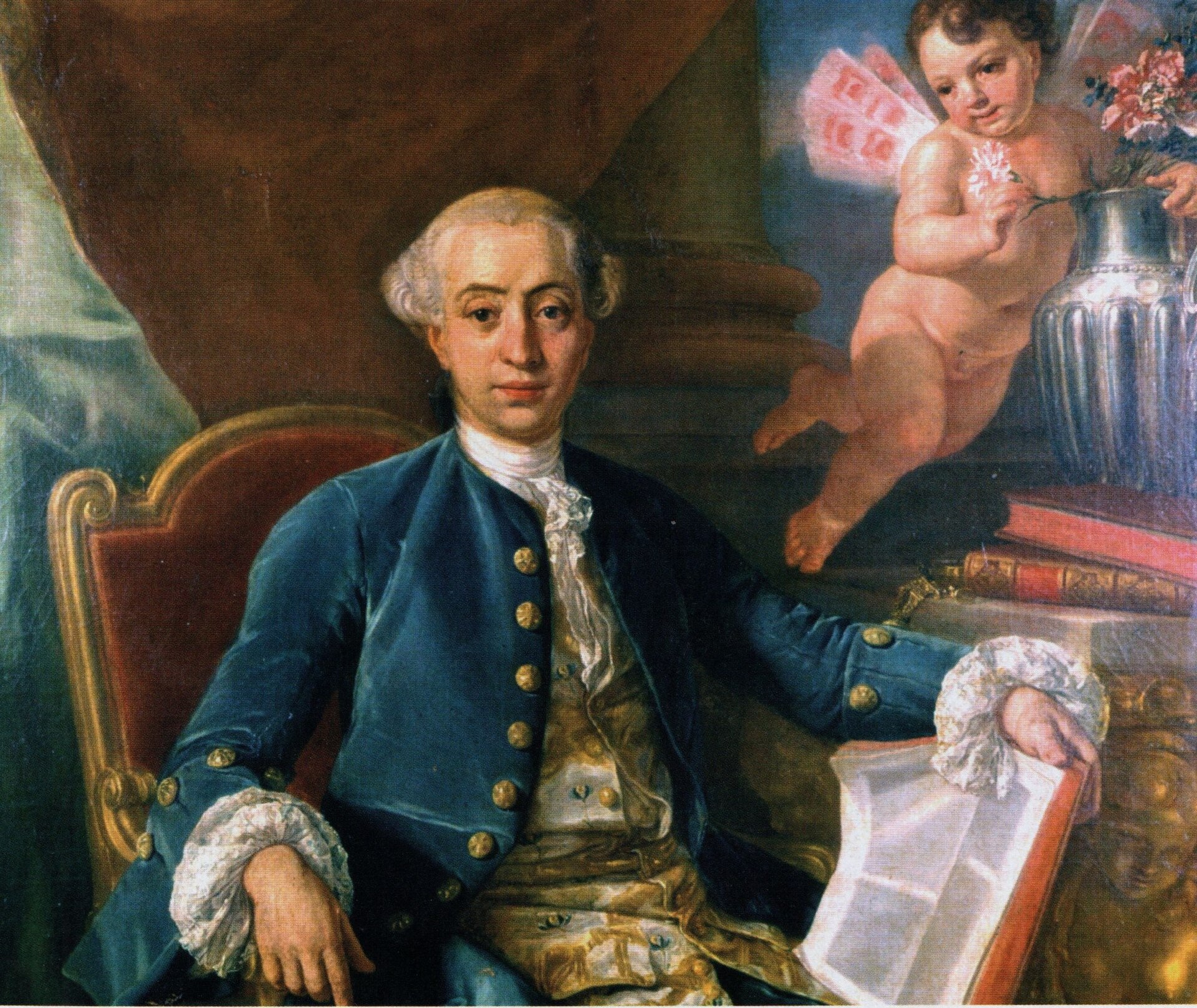
What I learned about the art of seduction, plus seduction techniques backed by neuroscience. Here I gathered a few points from the book The Art of Seduction that I could compare with an explanation from neuroscience. A second part is still pending, although some of our female readers were offended and criticised the article as sexist, when in fact it applies both ways, and the examples of seduction tend to be more feminine than masculine. By the way, the man in the picture is Giacomo Casanova, one of history’s greatest seducers, even though, as you can see, he wasn’t physically attractive even by the standards of his time. If you read between the lines of that book, it’s genuinely frightening.
For those who want to know more about relationships, love and so on, these are the five books I recommend:
1. What Makes Love Last?, by John Gottman. Gottman is one of the authors who has written most about this subject from a psychological point of view. In this book, besides explaining what love really is and why it arises, he also explains why it ends. Here he puts the emphasis on trust and betrayal, helping us identify some of the signs and behaviours of betrayal, and offering strategies for repairing relationships that seem broken or finished.
2. Love Is Never Enough, by Aaron T. Beck. Love can’t conquer everything, but communicating early, really listening and resolving conflicts in the best way can bring even a broken ship safely into port.
3. Manual para no morir de amor: diez principios de supervivencia afectiva (A manual for not dying of love: ten principles of emotional survival), by Walter Riso. For some reason, the beauty of love ends up turning into suffering. Riso offers some guidelines and advice to keep love from becoming suffering.
Finally, I’d recommend two interesting reads: Søren Kierkegaard’s Diary of a Seducer, which tells the story of a great seducer’s manipulation to win over the young and naive Cordelia, and which inspired the film Dangerous Liaisons; and, of course, The Art of Seduction, one of the most complete works I’ve seen on this subject.
Lastly, let me settle a point of discussion that was left open, where people told me that seduction is manipulation. That’s absolutely true, but no relationship begins without seduction. Everyone can interpret that in their own way.
Featured image: Attributed to Francesco Narici, Public domain, via Wikimedia Commons.



