Not even all of today’s new marketing strategies are as effective as the oldest “psychological trick” in the world for “fooling” consumers’ minds. Everyone knows it, and in fact everyone believes they’re immune to its effects. But the data show that anchoring, one of the best-known cognitive biases, is still what works best for shops to get customers to spend more money than they had planned, and even to buy items they had no intention of buying.
Anchoring is basically self-deception based on comparing several products. When one variable changes in the products being compared, our buying decision changes drastically, so we aren’t really aware of our choice: we are being manipulated into buying what a seller wants us to buy.
Anchoring doesn’t only work when comparing 2 products; it also works when comparing 2 prices for the same product.
It’s as easy as first seeing a big number in an eye-catching colour on a product, which strikes us as expensive, but… as we get closer, we notice that next to it there’s another, “smaller” number, which is the product’s real price after a juicy discount. At that moment the product becomes a bargain, and our mind reacts as if finding that small number were like finding treasure. “I wouldn’t buy it for €200, but at 50% off (€100) I’m definitely buying it.”
And our mind doesn’t stop to think that you’ll still be spending €100, “but it’s on sale”. And if the shop has also added “this week only”, they’ll be rushing us to buy the bargain we’ve found.
Here is our advice on how to fight this sales technique, which you have probably fallen for at some point.
In a previous article we explained how to fight 2 biases that put our personal finances at risk. One of them involved making a counter-offer to our brain to avoid buying something we don’t really want to buy.
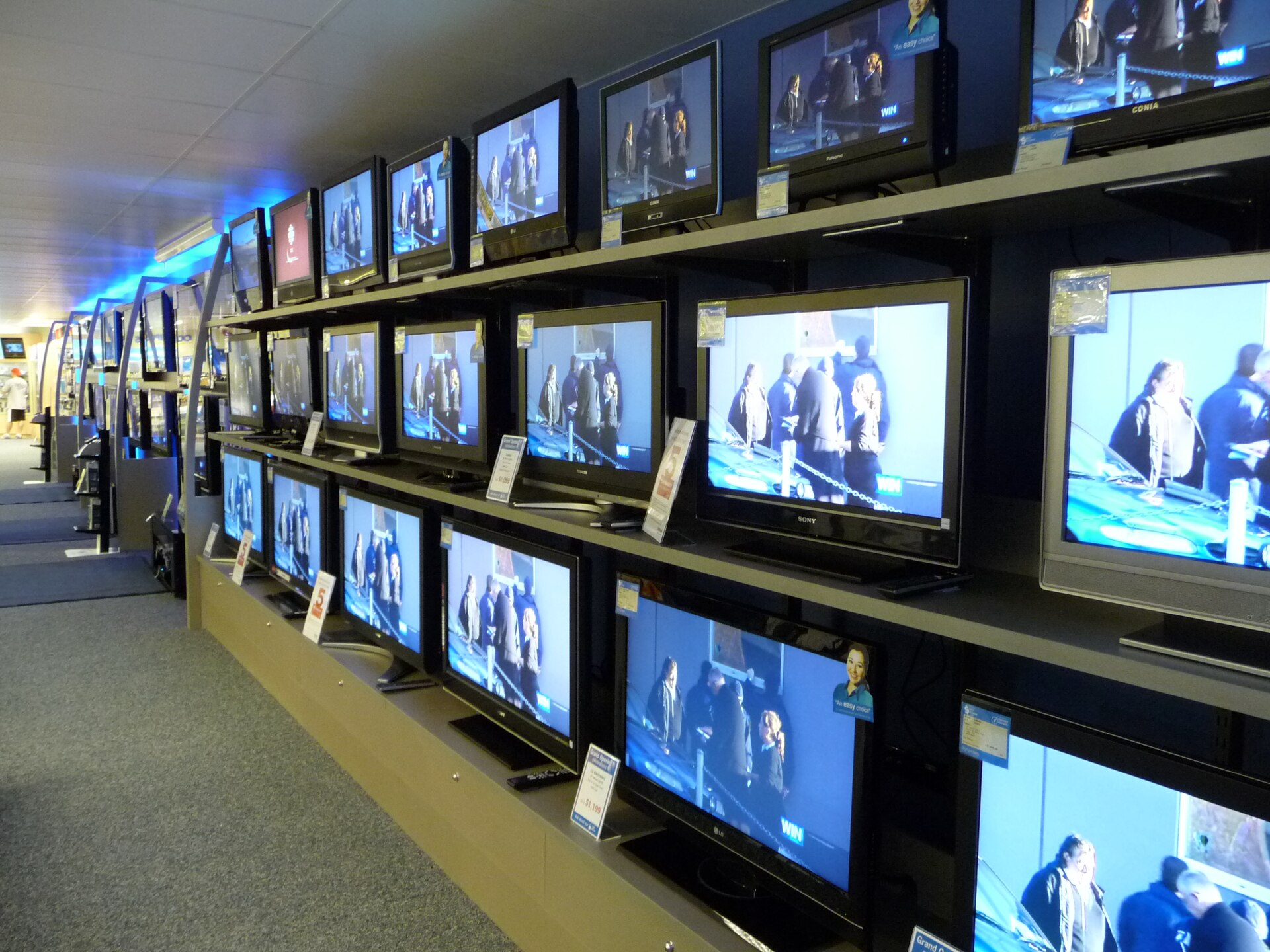
For example, if you’re about to buy a €1,000 plasma TV, imagine someone appears holding a plasma TV to give you in one hand and a €1,000 cash gift in the other. Which of the two gifts would you take? If you think you’d choose the €1,000 rather than the TV, it’s probably because you don’t really need that TV, but you do need the €1,000 you’re about to spend on it.
In the same way, when you go shopping you have to be smart so you don’t end up as a compulsive shopper. First, you should know exactly what you need to buy. Second, you should have set the amount of money you’re going to spend. And third, for each of the items you’re going to buy, you should be very clear about how much you plan to spend on it (the most you would pay for each one).
Of course, what you plan to spend might not match the price on the tags, in which case you should consider whether you really need to buy those items and whether you can afford to pay more for them than you had planned.
And remember: being able to pay for something doesn’t mean you can afford it.
Read: 11 tricks shops use to make more money that you can apply to your business
Featured image: Wags05 at English Wikipedia, Public domain, via Wikimedia Commons.