Editor’s note: This article was first published in October 2011, in the middle of the Spanish property crash, and the lending practices it describes reflect 2011. The Comisión Nacional de la Competencia no longer exists under that name, as it was merged into the CNMC in 2013.
We don’t know how much longer Spain’s Comisión Nacional de la Competencia (the national competition authority) will keep turning a blind eye to the banks, but the longer it takes, the more voices will join those saying the system is “rotten”.
If Mr A wants to buy a flat for €100,000, he goes to the bank to negotiate a mortgage. In 90% of cases the answer will be no, even if Mr A earns a salary of €1,500 a month. If the bank does grant the mortgage, the terms will be far from attractive for the buyer. He will naturally have to put up part of his assets as security, and he won’t get a 100% mortgage, so he’ll have to contribute some of the capital himself. Even so, the bank will try to talk him out of buying that flat and into buying another one that is “owned by the bank”.
Mr B earns €900 and gets a call from the bank offering him a €150,000 flat. If he’s interested, he’ll get a 100% mortgage and monthly payments adjusted so he can meet them without difficulty. He won’t even have to pledge any other assets of his own.
This is the situation Spanish homeowners and estate agencies face every day. They can’t compete with the banks, because the banks have the same product, and even if theirs is more expensive, it doesn’t matter: the best way to get rid of the competition is to refuse financing for an outside product and provide everything needed to sell your own. What do you call that? Abuse of a dominant position and unfair competition. Before long they will probably be engaging in monopolistic practices, because the property market will belong to the banks.
The problem goes even further. You can find buildings with 21 identical flats for sale. Twenty belong to private owners asking €120,000. For the other one, the asking price is €155,000, and curiously it will be the first to sell, because it’s the only one you’ll get a mortgage for, since it belongs to the bank. That flat is more expensive because it was valued by the bank’s own appraiser, who bases the figure on market value. The rest are cheaper simply because their prices are based on the real market value (what the sellers need).
When the buyer acquires that bank-owned flat, they re-enter the real market. If one day they decided to sell it, they could never compete with the other flats, because they paid €35,000 more than its “real” value. The purchase has left them worse off, since they’ve lost competitiveness against the other sellers. In the long run, this situation could once again become very dangerous for the economy.
The situation is more serious than it looks
A homeowner can’t pay their mortgage, so they have to sell the flat. They put it up for sale through an estate agency. A buyer becomes interested and decides to buy it, but the bank won’t give them a mortgage. Drowning in need, the owner ends up evicted for being unable to keep up the payments. The bank repossesses the flat, puts it up for sale and sells it without any trouble.
To put it bluntly, in this case the bank has screwed over a homeowner, an estate agency and a buyer, and in the end it still comes out ahead by selling a flat that, in the worst case, it acquired for 50% of its value.
If the crisis continues, this will be the situation of hundreds of thousands of people who can’t keep up with their mortgages and have to hand their homes over to the bank. That would turn the banks into the most powerful estate agency in the world, able to set prices and decide who gets a mortgage and who doesn’t based on a single criterion: not the buyer’s creditworthiness, but where the property comes from.
However much they try to hide it, cover it up, mislead or leave things out, this kind of practice is unethical, illegal and unfair, not to mention that behind every bank-owned flat there is a sad story.
More and more people are asking why the banks enjoy such immunity from punishment by the courts, both for what they caused and for what they keep doing. Perhaps one day we’ll get an answer.
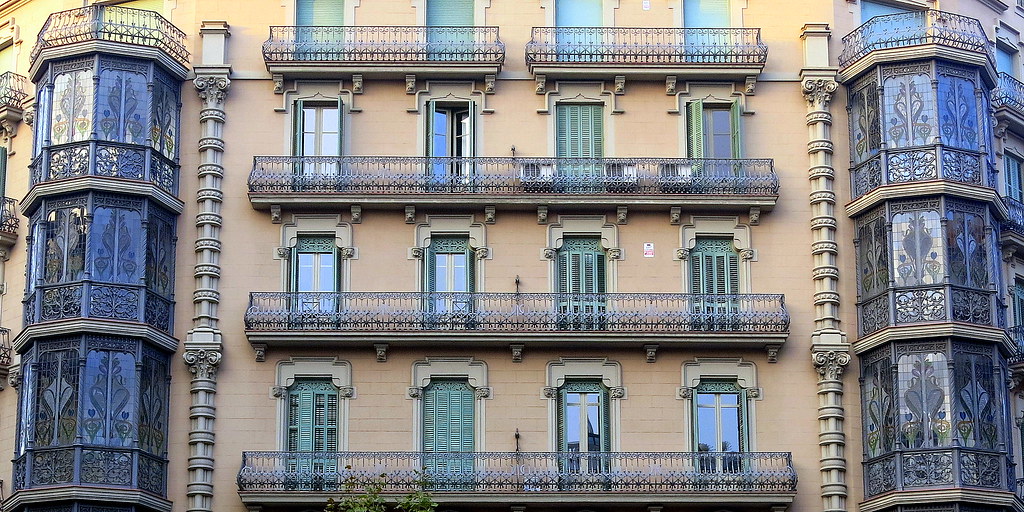
Featured image: Spencer Means, CC BY-SA 2.0, via Flickr.