

Editor’s note: This article was first published in June 2015; the $735 billion valuation of Apple it cites is from that year, and its mention of future articles explaining Jobs’s traits also dates from then.
Recently, The Atlantic published an article on the professional virtues of being a jerk, or a complete jerk, for that matter.
The article basically argued that there is a lot of truth in the belief that “nice people don’t end up getting the jobs that the jerk walks off with”, much as we may regret it.
In fact, reading Steve Jobs’ biography makes one thing clear: he was probably the rudest and most successful jerk in business history. In future articles we’ll explain how Jobs’ worst traits and flaws combined into an explosive recipe for success.
See also: Segall: Steve Jobs wasn’t a jerk, he was an honest man who loved simplicity
Not everyone shares this view. At the other extreme we have Warren Buffett, who is all kindness and goodwill towards the employees and partners of his company.
But like it or not, the truth is that being a real jerk can pay off handsomely in terms of success, just as, sadly, many psychopathic traits help people succeed in business. In fact, most managers at large companies would “test positive” on a psychopath test.
Various studies have shown that a nice person can go unnoticed in a restaurant, whereas if a man who is usually rude to the waiters is a little less rude one day, the waiters will be grateful.
And yes, we really are that stupid. But if anyone doubts this theory, we only need to look at Risto Mejide, who became famous on the well-known talent show Operación Triunfo playing a tough, unpleasant judge and at some point managed to win the audience’s affection. Being a jerk sells, but unfortunately, being kind doesn’t pay off as well as we might think.
Narcissistic, obnoxious leaders
These leaders may not be liked by their employees. They can even create a bad atmosphere in a company and inspire more fear than respect. But they tend to achieve their goals through that aggressiveness and by breaking the rules everyone else follows.
Someone once said that to succeed you have to distort reality and break the established rules.
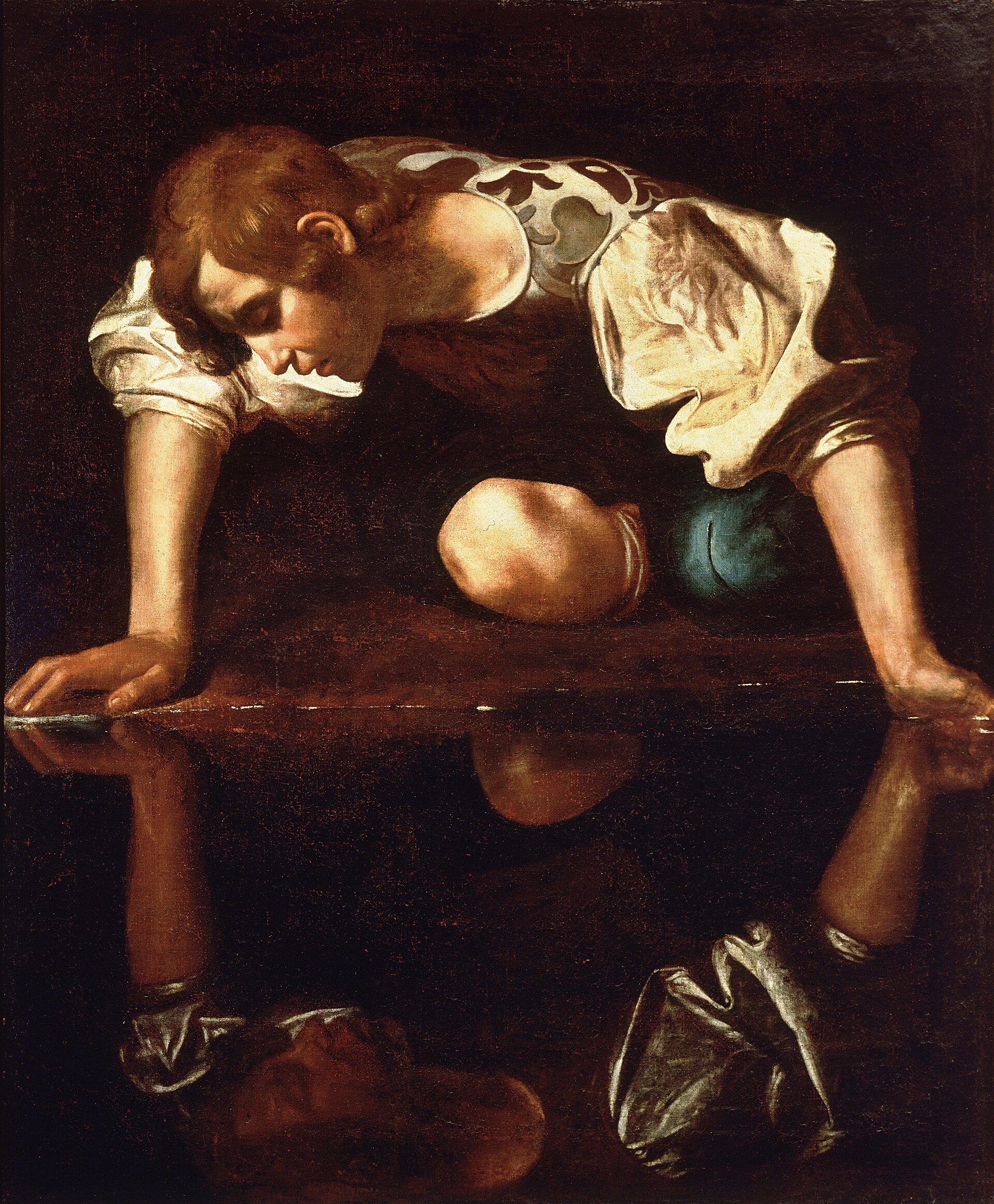
Narcissistic leaders may be more likely to fail big, but they are also more likely to succeed big.
In the end, the article makes one thing very clear: “What we generally understand as kindness doesn’t pay. So, ultimately, kindness isn’t profitable.”
But there are downsides and side effects
We live in an age of work-life balance and a feel-good atmosphere at work. Various studies have also shown that kind leaders with a sense of common purpose have more passionate, more creative and less stressed workers than those managed by a bad leader.
Psychological problems such as burnout or depression can end up costing the company money. A culture of fear of being fired may stop an employee from taking sick leave, but it can also end up causing presenteeism instead of absenteeism (in other words, the classic seat-warmer).
Nor should we forget that a company’s business is a long-term affair (a marathon), so sooner or later the employees and colleagues of a rude, narcissistic person may sabotage that person’s success.
Conclusion
The various studies do show that incivility, being brusque with colleagues, being rude to employees, belittling other people’s work and acting as if you were the centre of the universe can make you successful.
Meanwhile, a French study showed that in the long run, companies with leaders who are pleasant, look after their people, are civil and warm, and have all the attitudes and traits expected of good leaders today end up with stronger, more lasting teams, have less sick leave and outperform (though not always) companies that don’t look after their employees.
In short, being a jerk can help you succeed. But if your name isn’t Steve Jobs and you don’t run a company worth $735 billion, you can’t afford to be a jerk, because the most likely outcome is that the only thing you’ll succeed at is being exactly that: a jerk.
Further reading
- 3 physical traits associated with great business leaders
- 10 things good bosses give their employees
- How to be more persuasive and get people to do what you want
Featured image: Caravaggio, Public domain, via Wikimedia Commons.



