There are some notable differences between being a boss and being a leader. Anyone can become a boss, but very few come to be seen as true leaders.
Good bosses care about the company and about its customers and suppliers. But most importantly, they care about a company’s second most important asset: its employees. And the first? The customer, because without customers there is no business and there are no employees.
Jeff Haden is clear about it: good bosses care about achieving important things. Exceptional bosses care about their people, and that is how they achieve important things.
That is why, according to Haden, good bosses give all their employees the following:
1. Autonomy and independence.
As Steve Jobs put it: “It doesn’t make sense to hire smart people and tell them what to do.”
Workers need freedom to act. When they don’t feel constantly controlled, they let their imagination run free, and that gives rise to plenty of innovative ideas within the company.
Commitment and satisfaction depend to a large extent on autonomy and independence. People care about things when they are in charge of them and feel able to do what is right.
Whenever possible, give your employees the autonomy and independence to work in the way that suits them best. When you do, they almost always find a way to do their job better than you imagined.
2. Clear expectations.
While every job should include a degree of independence, every job also needs some basic expectations about how certain specific situations should be handled.
If you criticise an employee today for offering a discount to a furious customer even though it was standard practice yesterday, you are making that employee’s job impossible. Few things are more stressful than not knowing what is expected of you from one day to the next.
When a good boss changes a rule or guideline, they announce the change in advance and take the time to explain why they made that decision and what they expect from it in the future.
3. Meaningful goals.
Almost everyone is competitive; often the best employees are very competitive, especially with themselves. Meaningful goals can create a sense of purpose and add some meaning to even the most repetitive tasks.
What’s more, goals are fun. Without a meaningful goal to reach, some workers simply won’t be motivated.
(Read: 6 things at work that motivate nobody)
4. A real sense of purpose.
Everyone likes to feel part of something bigger. Everyone likes that feeling of teamwork.
The best missions involve making a real impact on the lives of the customers the company serves. Let employees know what you want to achieve for the business, for customers, even for the community.
Remember that Google’s head of human resources listed this practice as one of the only two things that helped the company retain talent.
5. Opportunities to make a meaningful contribution.
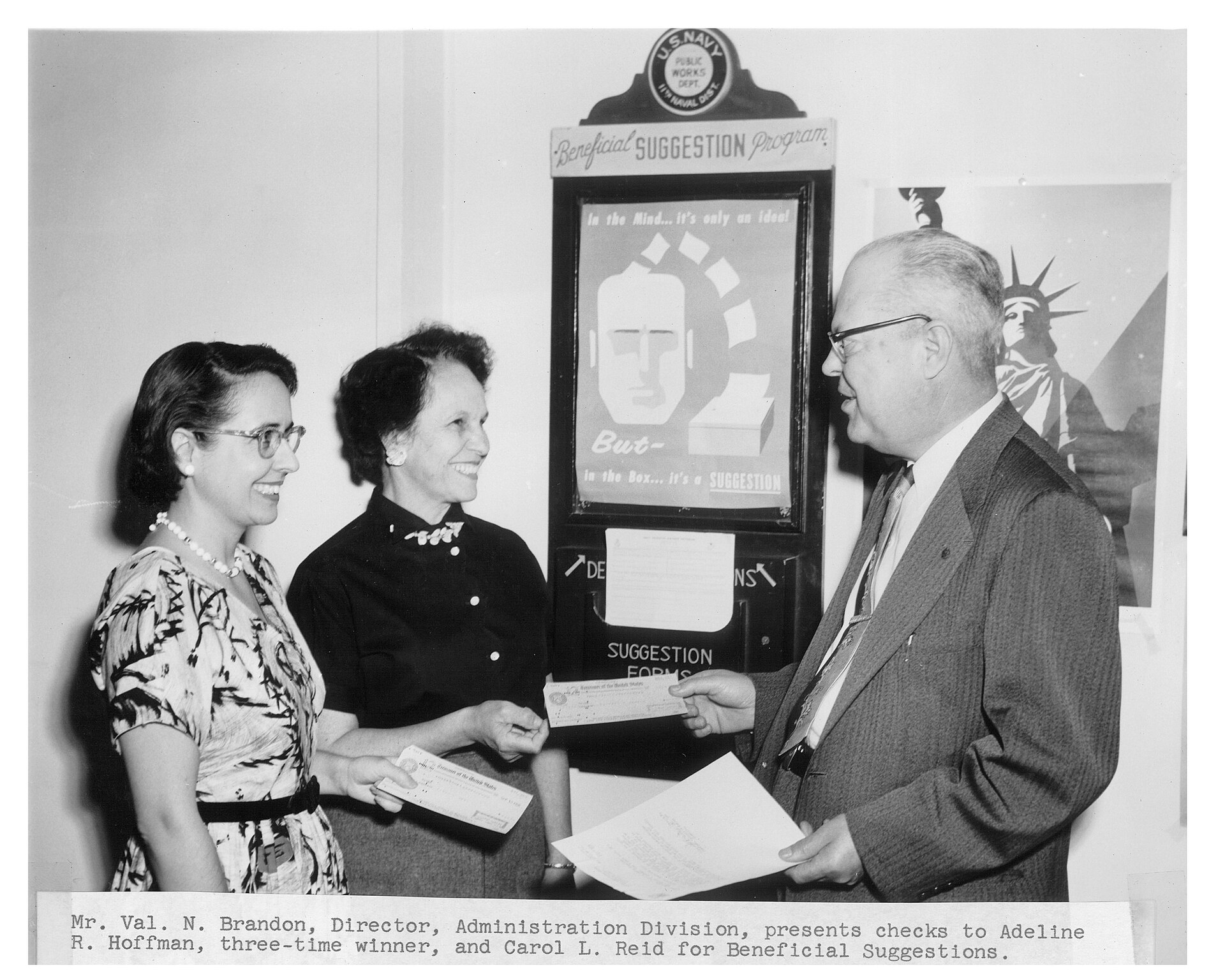
Engaged employees have ideas; it is important to give them the chance to make suggestions and contribute ideas.
That is why good bosses make it incredibly easy for employees to offer suggestions. They help employees feel comfortable proposing new ways of doing things. When an idea isn’t feasible, they always take the time to explain why.
Good bosses know that employees who make suggestions care about the company, so they reassure them that their input will be valued.
6. A real sense of connection.
Employees work for a salary, but they want to work for more than a salary: they want to work with and for people they admire.
That is why a kind word, a few quick questions about their family, or an informal chat to ask whether an employee needs any help are moments that matter far more than group meetings or formal appraisals.
A real sense of connection is personal. That is why good bosses show that they see and appreciate the person, not just the worker.
(See: 9 simple yet extraordinary things to say to the people at your company every day)
7. Consistency.
Most people don’t mind having a boss who is strict or demanding, and quick to make decisions, as long as they treat all employees fairly.
Good bosses know that the key to showing employees consistency and fairness is communication. That way employees understand why a decision was made, instead of assuming it is unfair treatment or favouritism.
8. Criticism that is constructive and private.
No employee is perfect. Everyone can make mistakes. Knowing how to handle the moment when you tell an employee what they did wrong and how to fix it is what turns an ordinary boss into a good boss.
Good bosses give that constructive criticism in private, not in front of customers or colleagues, because a telling-off in front of customers or co-workers can cause embarrassment and, in the long run, insecurity, which can affect performance. It also shows very poor manners and ethics on the boss’s part.
9. Praise in public.
When someone does a good job, it is very important that everyone witnesses that success. It boosts the employee’s confidence, encourages them to keep working and makes the rest of the staff seek similar recognition.
10. Prospects for the future in the company.
Every job should have the potential to lead to bigger things. Employees only care about the business once they have been shown that the business cares about them. One of the best ways to do that is to show that there is hope for the company’s future, but also hope for the employees’ future.
This article is based on a piece by Jeff Haden originally published on Inc.com, adapted and extensively modified.
Further reading
- 7 management strategies from history’s greatest generals
- 8 ways to kill employee motivation
- 9 types of people who will help you succeed in business
Featured image: NAVFAC, CC BY 2.0, via Wikimedia Commons.