Editor’s note: This article was first published in December 2011 as news commentary from 27 December 2011. The references to the SOPA bill and Spain’s Sinde law reflect the debate at that time.
“Comprender y sanar la homosexualidad” (Understanding and Healing Homosexuality). That is the title of the controversial manual for turning a gay person straight, written by Richard Cohen, someone who must start from the premise that homosexuality is some kind of illness or mental disorder.
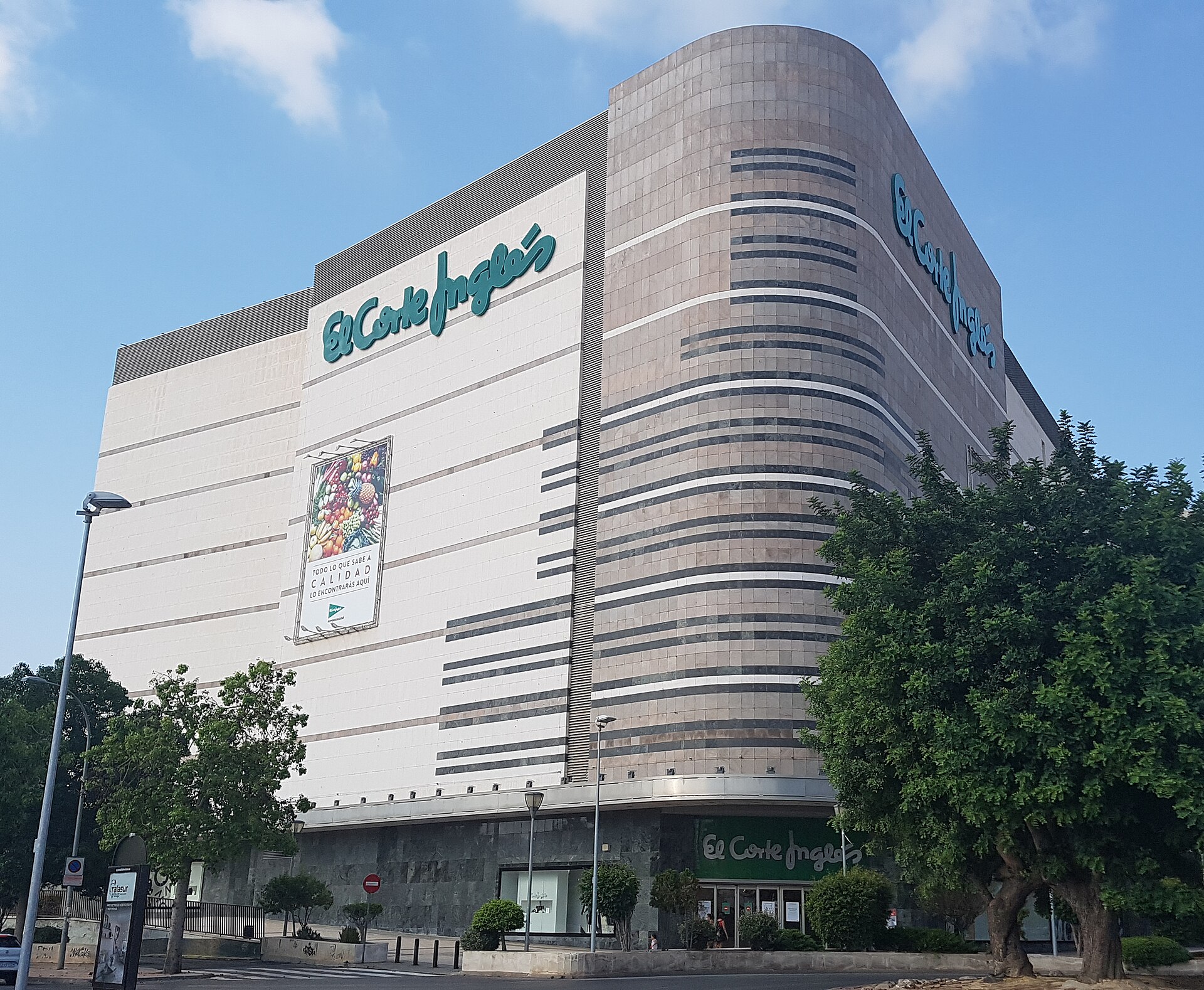
The controversy is not the book itself, nor its author. As El Corte Inglés rightly pointed out before announcing it would withdraw the book in response to complaints from customers and gay rights groups, all kinds of people write books, with different ideologies and approaches. The real question is what to do with the book.
Internet users are clear about it: it has to come off bookshop shelves and its sale must be banned, because it is an attack on the gay community. In other words, the book must be censored, and the word censorship is never a good one, or at least that’s how I understood it when we were all saying “NO” to the SOPA bill.
Now, don’t get me wrong. The book (which I haven’t read and don’t intend to read) is surely one defamation after another, not to call it a load of crap. It can’t have any scientific basis, much less cure something that isn’t an illness. But to what extent does its author have the right to express an idea, or a load of crap?
It’s as simple as not buying the book, and even then thousands of people will buy it. Who are we to stop them? What’s more, what right do we have to stop them? If someone wants that book, thanks to the unstoppable internet and the freedom of expression we praise so loudly, its author will be able to sell it one way or another. Isn’t that exactly what we say about the Sinde law (Spain’s anti-piracy law) when they talk of banning downloads?
In this case, Richard Cohen is the film and El Corte Inglés is the download-links site, so we are calling for that particular download to be censored. Remember that all these small acts in the name of a cause that is just today (or at least seems to be) could be held up as an example tomorrow, when they try to force the SOPA bill down our throats. If you think about it calmly, Richard Cohen is having that very law applied to him for putting something on the market that many users don’t like. It’s a load of crap, but he has the right to write a book.
I believe we should never fight with the same weapon we ask others not to take to war. The book may be a dud, it may be garbage, it may be “crap”, but every day I see TV programmes that strike me as crap, films that are duds and trashy music, and that doesn’t give me the right to demand that they be taken off the market. I simply don’t consume the products I don’t like, always bearing in mind that this is just my personal opinion.
“If you ban, you censor. If you don’t want censorship, don’t ban.”
Featured image: P4K1T0, CC BY-SA 4.0, via Wikimedia Commons.