

Some time ago we warned workers about starting a job under a commercial contract (in Spain, a contrato mercantil, under which the worker is self-employed rather than on the payroll). That warning might seem to clash with a later article in which signing a commercial contract was one of our steps to start a business with no money. The point of view changes depending on whether we look at it from the worker’s side or the employer’s.
A reader asked us whether it would be a good idea to take on a sales rep under a commercial contract, since he is just starting out and obviously doesn’t have much capital to register this person under the Régimen General de la Seguridad Social (the Spanish social security scheme for employees). At the same time, it does him credit that he is worried about falling into what he calls “business shamelessness”. That is why we would split our advice for this situation into several points.
1. It’s true that some companies take advantage of this kind of contract without the slightest intention of keeping the salesperson on. It’s a very common strategy in the sales world, used even by some insurance companies: they demand unattainable sales from their reps in the first three months, telling them that if they hit the targets they will be hired once those three months are up.
The rep resorts to selling insurance to family and friends to try to reach those targets. When they fail, they leave the company, but the company has gained the policies of the rep’s family and friends at zero cost. It’s all profit, and usually plenty of it, because these firms tend to have a constant stream of workers who do exactly the same. In fact, they live off the small sales made by the hundreds of reps who pass through the company over the year. For these companies, it’s a profitable business model.
2. At the other extreme we have the entrepreneur who is just starting out and has no choice but to use this kind of contract, because hiring an employee, at least in Spain, isn’t cheap.
I would divide these entrepreneurs into two groups.
On one side is the fantasist, dishonest entrepreneur, who tries to project the image of a big company and applies a supposed big-company policy, selling the salesperson a trial period under a commercial contract while knowing in advance either that the targets are impossible to reach, or that even if they are reached, he couldn’t afford to hire the rep as promised.
On the other side is the entrepreneur who speaks frankly and explains the situation as it is: he is just starting out and can’t afford to take anyone on at the moment, but he acts in good faith and, although he doesn’t know when, if he ever could, he would count on the salesperson who is working their socks off to get the business off the ground.
3. Salespeople can be divided too: there are those who want to work for a big company and those who would be willing to make a company big. The second type is like an investor who invests above all time, trusting in their own abilities to reach the goal and to be part of a project that is just beginning.
When this contract is ethical and when it isn’t
Most entrepreneurs who fail started their business knowing that failure was the most likely outcome, with success only a remote and improbable possibility. The same applies here: it’s a matter of honestly analysing whether the person you take on will be able, through steady work, to earn a decent living. Hiring a salesperson by promising they can earn €2,000 a month when the reality is that, however hard they try, they won’t get past €300 is wasting your time and making them waste theirs.
Remember that a constant turnover of workers doesn’t give a business a good image. Deceiving someone with false promises doesn’t either. Some people would even lose sleep over it.
If, on the other hand, you are determined, enthusiastic and believe in the project, and you can also give the salesperson financial stability if they meet objective sales targets, talk honestly with the candidate and explain the situation, being realistic at all times.
Perhaps the profit margin is very low and you need someone who already sells other products and could add yours to their range; or perhaps the margin and viability would allow the worker to dedicate themselves to it exclusively, pay their self-employed social security contributions and earn a reasonable income.
It’s a matter of sitting down and doing the numbers to know what suits you and how.
Further reading
- 15 questions to evaluate a business idea
- The entrepreneur’s mindset, according to Donald Trump
- Ten commandments for guaranteed business failure
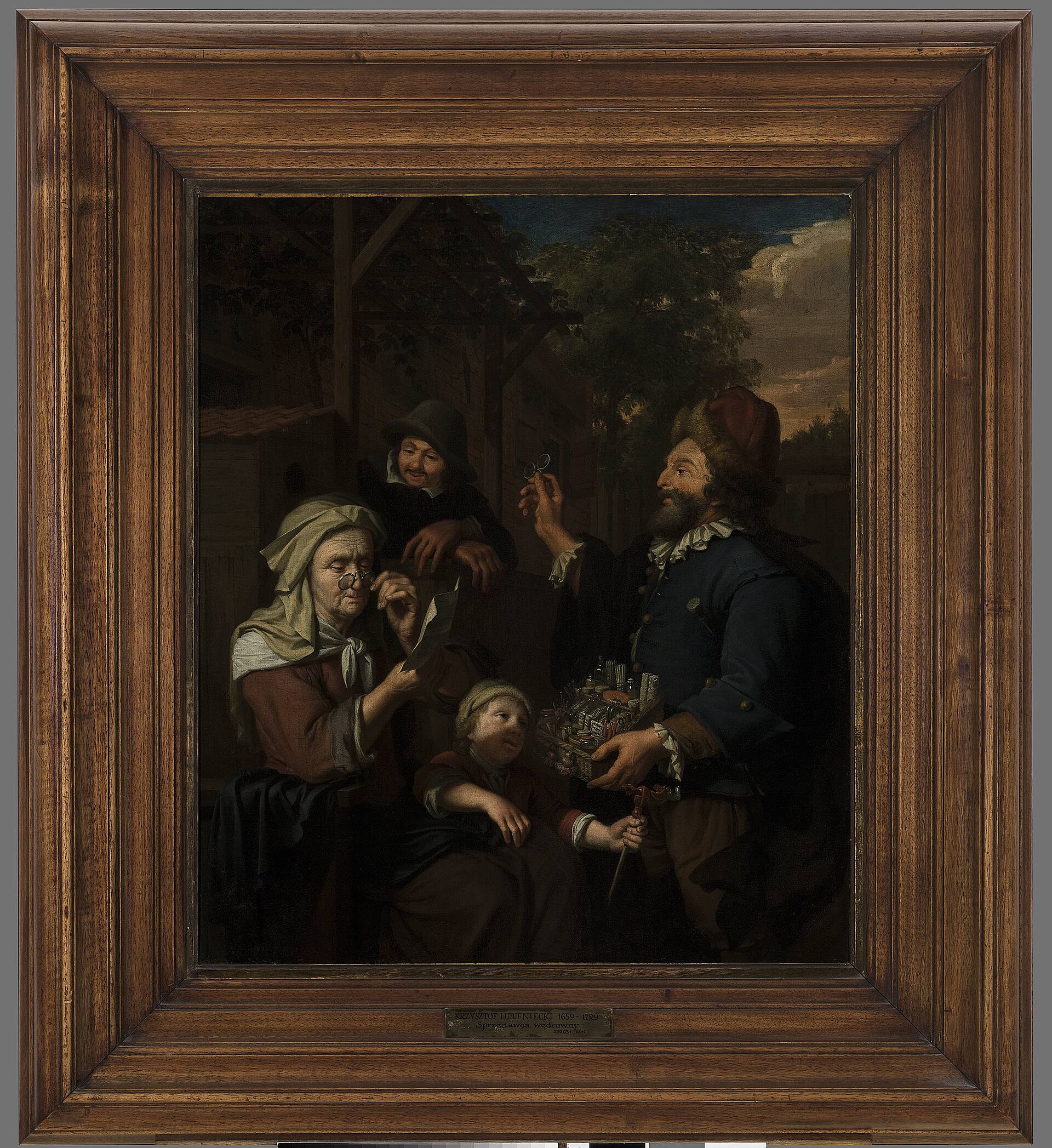
Featured image: Krzysztof Lubieniecki, Public domain, via Wikimedia Commons.



