Editor’s note: This article was first published in June 2012 as same-day commentary on the market reaction to the eurozone rescue of Spanish banks agreed that weekend. The 5% IBEX rise, the risk premium, the expected 3-4% interest rate and the Italy and Cyprus speculation all refer to that week.
One thing is clear: the way this weekend’s deal to obtain that “credit line” was sold left no room for doubt. It was as if Spain had won the EuroMillions, above all because of the supposed absence of conditions attached to the “financial aid”. Sold like that, the logical and normal market reaction would be exactly what we saw first thing this morning: heavy buying that pushed the IBEX up 5% and brought the risk premium down considerably.
Of course, a few hours later it was as if the markets had thought better of it and said: “But this is a bailout!” What was gratitude this weekend for the way the aid had been handled has, this Monday, turned into a lack of clarity, because the “credit line” (bailout) comes with small print, and nobody knows what that small print says yet.
The contradictions between Mr De Guindos and Rajoy over whether or not this bailout will count towards the deficit don’t help either, and nor does the fact that nobody knows what interest Spain will have to pay on the “loan”, although we do know it will be below 6% and could be around 3–4%.
That said, we’re not going to blame the government alone, as that wouldn’t be fair: much of today’s stock market massacre was once again down to the big speculators and their short positions, because once they had taken their profits, buying volume was really low.
Nor does it help to learn, as Reuters has reported, that Europe could be preparing for Greece to leave the euro, something Europe sees as about as likely as Spain needing a bank bailout.
Opinion in the markets is divided. The aid or rescue mechanism Spain has requested is a first under these kinds of conditions, so some experts say the bailout is well managed and the terms are excellent. Other investors see a different picture, comparing Spain with Greece and Italy with Spain.
The United States is once again blaming its stock market fall on the Spanish crisis, while other countries are now expected to want the same help Spain has received. Perhaps the next country to ask for a credit line will be Italy, although today we already know that Cyprus would be interested in rescuing its banks the same way Spain has.
While some see a “commendable” willingness on Europe’s part to solve its problems, sending a clear message that we are determined to get out of this, others think that now all the rubbish Europe has been carrying around will probably start to come out.
And finally there are the conspiracy-minded gurus warning of a possible global financial collapse in September or October, caused by what they call a “dangerously synchronised and systemic recession” among the world’s major economic powers, including the United States and Europe.
After what we saw this morning, one thing is clear to me: the volatility party in the markets has only just begun, and there are times ahead when we could just as easily find the IBEX at 7,000 points as at 5,000. Still, much of what happened this morning could have been avoided if our leaders had explained things clearly, and if clarity is too much to ask, it would have been enough not to create more doubts than there already were. But I insist: the stock market speculators are having the time of their lives, like children at a funfair.
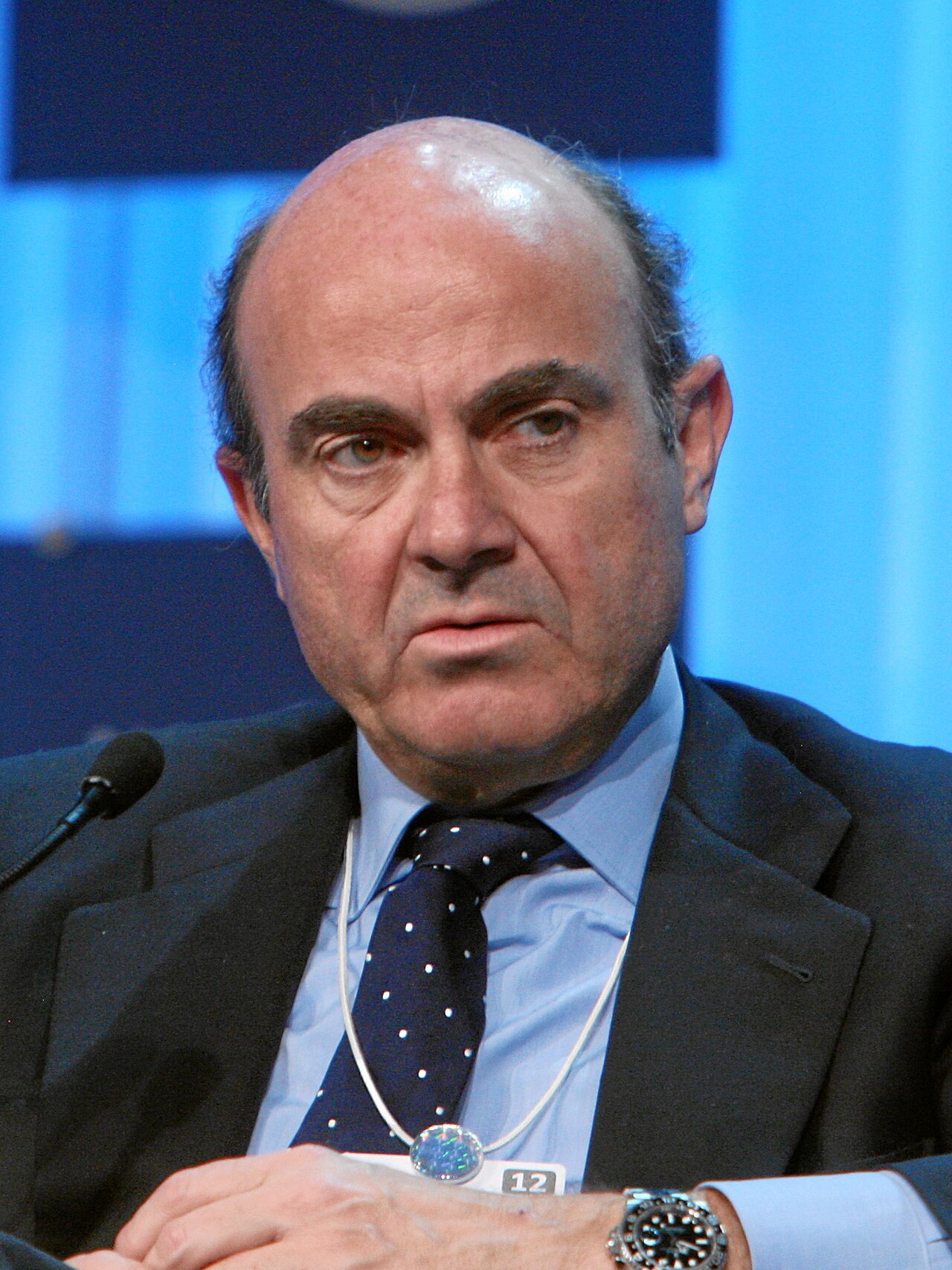
Featured image: Flickr user 15237218@N00, CC BY-SA 2.0, via Wikimedia Commons.