Talking about a negotiation is not the same as talking about a sale. Although the points below focus on the art of negotiation, most of them also apply to sales.
These are some of the most common mistakes people make when negotiating. They are very easy to fix with practice, as long as we are aware of them.
Mistakes we make when negotiating
(Read also: Four truths about the art of negotiation)
1. Some negotiators don’t know what they want
This is more common than we think. Sometimes we sit down at the negotiating table ready to give ground, make offers, ask for things and debate in order to reach an agreement, but nothing seems good enough for the other side, so you have to stop and ask straight out: “So what on earth is it you want, then?”
The truth is that some negotiators really don’t know. They have sat down to negotiate blind, and they can’t tell whether what you’re offering is good or bad.
That’s why, before sitting down to negotiate, we should have a fairly clear idea of what we want to achieve, how far we are willing to give way and how hard we can push the other side. In other words, we need to know where we stand and what ideal outcome would leave us satisfied when we walk out of the meeting, and we need to know in advance where our limit for concessions lies. Not knowing what you want shows a real lack of seriousness in a negotiation.
2. Not knowing how to explain what you want
It may sound comical, but on occasion, after 20 minutes of explanation from the other side, I’ve been left blank, wondering: “Does this guy want me to sell him something or to buy something from him?”
Negotiation meetings are not the place to ramble through explanations, or to go round in decorative circles when a straight line would be easier. The message has to be clear: what you want, how you want it and how it benefits us.
Just as we said that when you set out to explain a business idea you should be able to do it in under 60 seconds and have everyone understand it, the same applies here: it’s about being clear on the main message and developing it. And that brings us to the next point.
3. Using jargon: plain language works better
Technical language clearly shows professionalism and that you know what you’re talking about, but the fact that someone runs a company doesn’t always mean they know every technical detail of the whole process behind their product or service.
If you use technical language, only people with technical knowledge will understand you; if you use simple language, everyone will understand you perfectly, including those with a lot of technical knowledge. When you’re on the other side, don’t hesitate to tell the other party: “Explain it to me as you would to a 10-year-old.”
4. Not listening
We’ll say it again: sales and negotiations are won more by listening than by talking. When you talk, you give your opinion and say what you want; when you let others talk, you’re receiving information you can use later. It’s the best way to get to know the other side.
Ask and listen, gather the information, and then set out your terms and close the deal.
5. Going straight to business
This point is clearly relative. When it comes to a large-scale negotiation, it’s advisable to meet the other side away from the negotiating table first. It could be at a dinner, where business talk is avoided, or over breakfast. The Japanese, for example, always have 10 minutes of “neutral time” at the negotiating table itself, when they talk about anything before turning to business. Of course, you shouldn’t let your guard down during that time.
If we carry this over to the world of sales, a very typical mistake salespeople make is to go straight in for the kill: “I’m from company X and I wanted to offer you X. It’s very cheap, it only costs X. Are you interested?” You’d have had the same chance of selling to them if you had given them a kick in the backside.
Every sale or negotiation is a conversation that leads to a close at some point. If the first thing they see is a salesperson, the odds of closing go down.
Why is it advisable in a negotiation?
If you travel to sit down and negotiate with a group of people from a company, it’s a good idea to arrange dinner or a drink with them before the negotiation, simply to ease the tension and build some trust, because in reality it’s going to be a negotiation between strangers. Although this isn’t always possible, when there’s an opportunity it benefits both sides.
(Read: What you should know about negotiating with the Japanese)
6. Not having a plan B
Sometimes, depending on the kind of negotiation we’re talking about, it’s in our interest to come away with something rather than nothing.
Once you were clear about what you wanted, you set out your terms and the negotiation ultimately didn’t get a positive response, you should, where appropriate, have a plan B: an alternative so you don’t go home empty-handed, and one that leaves the door open for future collaboration.
Sometimes, when the negotiation has failed, our goal should be to secure a second meeting. And to do that, you need to have something else up your sleeve to offer.
7. Lack of research
This is undoubtedly one of the most common mistakes, and although we’ve left it until last, it’s probably the most serious. Information is power, and we should know as much as possible about the company we’re going to negotiate with, as well as everything we can about the people we’re going to meet: their suppliers, their agreements, the prices they buy at, the prices they’re paid, the company’s financial situation… EVERYTHING.
As in the art of war, when it comes to negotiating, the negotiation is sometimes won not at the negotiating table but during research and preparation. Whoever has prepared best will always have a better chance of coming out of the meeting victorious. Leave nothing to chance.
Further reading
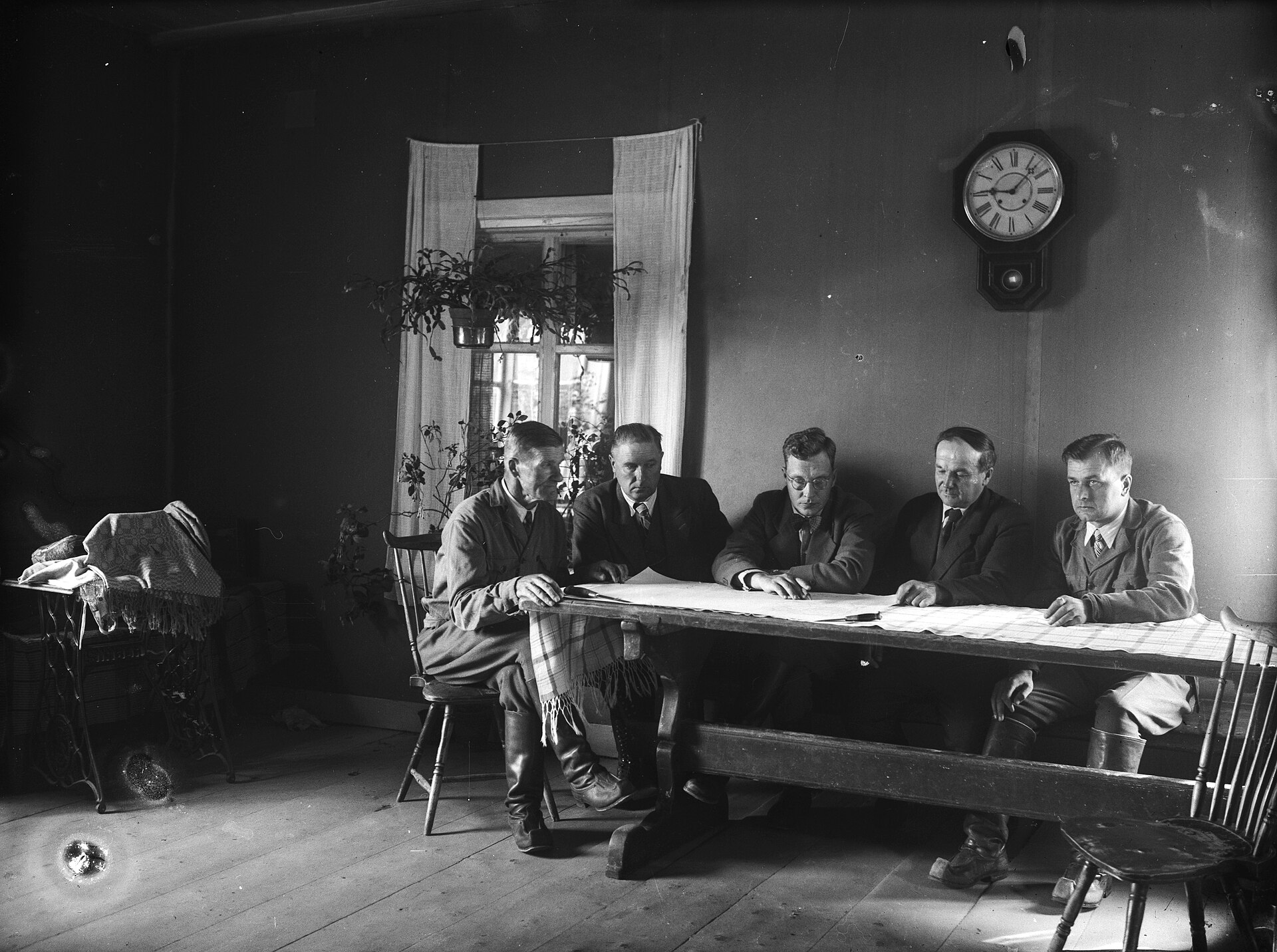
Featured image: Yli-Vakkuri, Yrjö, CC BY 4.0, via Wikimedia Commons.