We should all learn to negotiate, because the truth is that we are negotiating all the time. You negotiate your salary, you negotiate your holidays, you negotiate with your partner. Without a doubt, the first mistake you can make in a negotiation is not knowing the basics of negotiating.
For more than 15 years I have taken part in all kinds of negotiations, from negotiations where I didn’t care about the outcome to negotiations that were vital to the survival of the company I worked for; from very powerful people for whom I was a mere appetiser, to nobodies who thought they were Donald Trump and whom you could easily “have for breakfast”. That is why there are some basic principles to follow in any negotiation.
Ways to lose a negotiation
1. Not working out who you are in the negotiation
This is the first thing to be clear about when we sit down to negotiate. In any negotiation we will always find ourselves in one of these three scenarios:
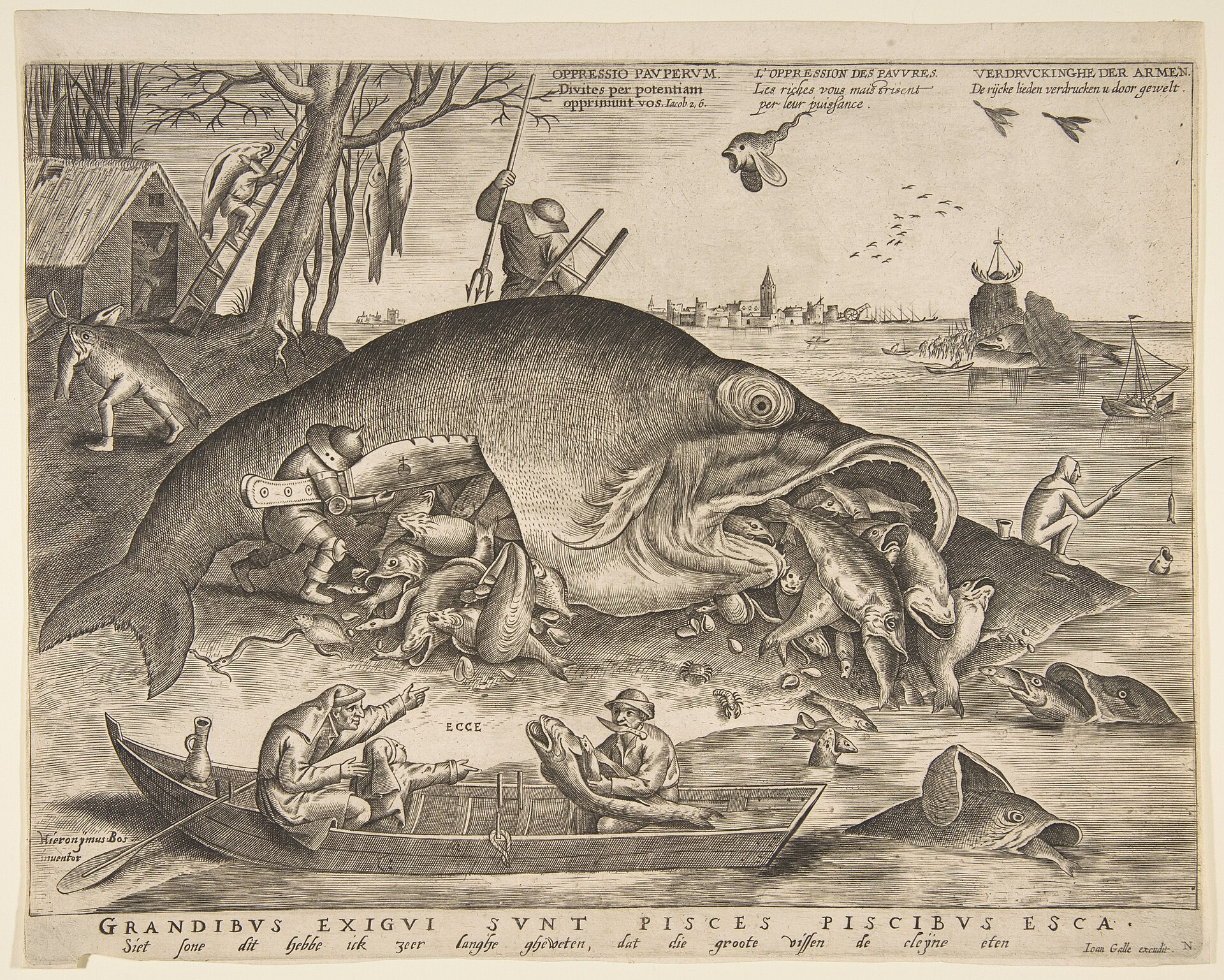
- You are the big fish negotiating with a small fish: in this case, the party most interested in reaching a good deal is the other side, and you control most of the terms.
- You are the small fish negotiating with a bigger fish: in this case you are the interested party and, to some extent, you are at the other side’s mercy.
- You are both fish of the same size: in this case, you both have the same interest in closing the negotiation and reaching a good deal.
It is important to be clear about this, because once we have identified the role that corresponds to us, we can start playing the game. As we always say, in a negotiation, as in the army, the high ground always holds more power. Put another way, the big fish is always going to eat you, so the point is to get eaten as little as possible.
2. Showing too much interest in the deal
Never show desperation to close a negotiation. Whoever shows the most interest usually ends up losing. In the same way, the person with the least to lose if the negotiation does not close wins. Yes, sometimes we will have to bluff.
That is why you need to learn to read people, so you don’t fall for a bluff from the other side. Sometimes you may be facing someone who seems indifferent and, in a way, very passive, as if they had no interest at all in closing the deal, and then it turns out that this person has their back against the wall and is the party most interested in reaching an agreement.
Imagine you go with your partner to see a house you want to buy, and you start saying things like “I love this house” or “it’s the nicest house we’ve seen so far”. You are giving the seller every reason not to budge in the negotiation. If, on the other hand, you seem indifferent and say things like “It’s not bad, but we’ve seen a very similar one for sale that was quite a bit cheaper”, you are forcing the seller to compete on price.
See also: 7 common mistakes in negotiation and sales
See also: The worst things you can do in a negotiation
3. Having too short a list of terms
There is a saying in the world of negotiation: if you have a long list of terms, you can afford to turn down the one-euro coins and focus on the 50-euro notes. A long list of terms has other benefits too: out of 40 terms, they may say NO to 30 of them, but you can still get your way on the 10 terms that mattered most to you.
Negotiating is also about knowing how to sacrifice pawns to save the king and queen. Sometimes the strategy is to put forward first the terms you know in advance will be rejected, so that you can then put on the table the terms you actually care about. The other negotiator knows they have to give way on some points, so after several refusals they will be more willing to agree to the terms you are now pressing them on.
4. Not having a plan B for the negotiation
Not all negotiations are the same. There are all-or-nothing negotiations, where you have to go for everything. In other cases it is better to come away with something than with nothing. That plan B should be your ace up the sleeve, and it should only come out once it is clear that the negotiation has failed. The plan B can be a way of not closing the door completely on the person or organisation you are negotiating with.
In some cases, a smart negotiator knows how to bring out plan B without the other side suspecting that plan B was in fact plan A.
5. Taking everything when you have the chance
If for some reason you are the big fish, or you have the other person with their back against the wall, use ethics and morality. Let me give you a real example so you can see what I mean.
Once, the company I worked for made a mistake on a 55,000-euro order. The mistake was that they forgot to fit the roller-shutter boxes on some windows. We offered to fix the mistake, obviously at no cost to the builder, but the builder took the chance to profit while screwing us. His offer was this: “Either you let me have the windows for 15,000 euros or you take the windows away.” In other words, either we lose everything or we lose almost everything. He knew he had the upper hand and that we would not be able to sell those windows to another customer because they were not a standard size.
However much I insisted and asked him to think about a long-term working relationship, he was completely ruthless and would not budge. And we had no choice but to give in. I am sure this builder spent his next few lunches and drinks with his friends boasting about what a good negotiator he was and how he had easily made 40,000 euros (saving is the same as earning).
I put him on my list of people to “screw over as soon as I get the chance”, and years later he lost more than the 40,000 euros he squeezed out of us. Never ignore the twists and turns of life. Better to have friends and earn less than to make enemies. A good negotiator knows that the best negotiation is one where both sides come away happy.
And this is closely linked to the next mistake in a negotiation.
6. Thinking only about yourself in a negotiation
Forget much of what you have read on this subject. When you are the one interested in closing the deal, good negotiation means thinking less about what you want and more about what the other person really wants. If you correctly identify what the other side wants, you can start talking not about demands but about offers. And although it may sound similar, it makes a world of difference to the other person’s ears. And speaking of ears, that brings us to the next point.
7. Dominating the conversation
The best way to dominate a negotiation is to be the active listener. Talk as little as possible and focus on listening, and listening actively. It is the best way to find out how the other side thinks and what they want, and if you let them keep going, even reading between the lines, they will tell us how far they are prepared to go. At the same time, by being the active listener we are showing the least interest, which increases our standing in the negotiation. And last but not least, while we listen we are taking in information, so we will be better prepared to negotiate successfully.
There is another important psychological factor: if you have stayed silent for a long time, as soon as you start speaking your words will carry twice the weight. This technique is often used when two negotiators attend the negotiation. One of them stays silent throughout and only opens his mouth to rebut the final objection or the most important point. When that person speaks for the first time after 30 or 40 minutes of silence, there is a surprise effect on the other side, and that person’s words will be listened to carefully and taken very seriously.
8. Wanting to be the important person the negotiation depends on
Some people find this very hard to understand. Most entrepreneurs, and even some business owners, like to shout from the rooftops that they are the ones in charge and the ones who make the decisions. If you are negotiating with a tough negotiator, as soon as they corner you, you will have no way out. In some cases it is highly advisable to say or hint (even if it is a lie) that you have a trusted adviser or a partner for certain matters. That way, if they have you cornered on the deal, you at least have the escape route of telling them you need to consult your partner or that other person.
That way you buy time, and you can think it over, come up with a new strategy and perhaps even think of an argument you had overlooked.
9. Accepting a NO from someone who is not the one who can give you a yes
Whenever you sell anything or go into a negotiation, make sure you don’t waste your time negotiating with, or wearing yourself out on, someone who does not have the power to close the deal. I have seen this very often. I have known people with business proposals that would have been very good for the company, but the purchasing manager turned the negotiator down and the negotiator accepted it. If a purchasing manager says no and you are still interested in closing the deal, look for the back doors until you reach the managing director or the owner of the company. All of this depending on the case and the type of negotiation.
In serious negotiations, I have never settled for a NO from the fourth in command. If anything, I gave up when I got it from the second in command.
10. Not playing on your home ground when you have the chance
When you have an important negotiation, if it is in your hands to hold it on your own ground, don’t think twice: do it there. The fewer things you leave to chance, the more likely you are to win the deal. When you bring the other side onto your ground, to your office, you control how many times the secretary will interrupt; you can even choose whether to put them in a room with or without mobile coverage. This may sound over the top, but at the critical moment of a negotiation, a simple distraction such as a phone call or the secretary saying “I need you to come” can break the spell.
Negotiation is no different from other areas: small details added together can make the difference.
I have seen people sit down to negotiate with two negotiators and seat them facing each other. It may seem harmless, but it gives them an advantage. When two people come to negotiate with you, you will gain an edge if you cut off their eye contact by seating them side by side and yourself directly opposite both of them. That way there are no signals between them: no glances, no nods.
And remember, whether you are selling or negotiating, as soon as the other side has got where we wanted and is ready to close the deal, don’t ramble, don’t talk, don’t breathe: just hand them the damn pen so they can sign. It seems obvious, but you would be surprised at some of the things I have seen.
See also: How to be a good salesperson
Featured image: Pieter Brueghel the Elder / Pieter van der Heyden, CC0 1.0, via Wikimedia Commons.