Editor’s note: This article was first published in March 2014, but its arms-industry figures are for 2011 and its time references date from early 2013. Several companies named have since changed: EADS became Airbus, Finmeccanica became Leonardo, L-3 merged with Harris to form L3Harris, and United Technologies merged with Raytheon. This March 2014 article is kept as a historical record. It is not investment advice.
I don’t know whether we are seeing “winds of war”, but as investors we shouldn’t rule this scenario out. While we know that when a war breaks out, gold (a safe-haven asset) and oil usually go up, there are also some companies that benefit from wars. Based on the article that 24/7 Wall St published in 2012 naming the 10 companies that benefit most from war, we should bear in mind that, although we couldn’t hide from a serious war, we could keep an eye on some of these companies, which for the most part live off supplying all kinds of material that makes wars possible.
Not all of them are listed on the stock market, but the vast majority are. Some of them started rising about a month ago, as if investors were already expecting an increase in sales of weapons or supplies.
It is worth adding that these companies were supposedly hurt by the cuts to the US defence budget, a situation that, if the need arose, could change for the worse for us and for the better for these companies (and the investors who hold them).
And of course I am not saying we are going to war. I am only saying we should be prepared, just in case. *Some of the information may already be out of date.
These are the 10 companies that come out ahead in wars.
United Technologies
- Arms sales 2011: $11.6 billion
- Total sales 2011: $58.2 billion
- Profit: $5.3 billion
- Total employment: 199,900
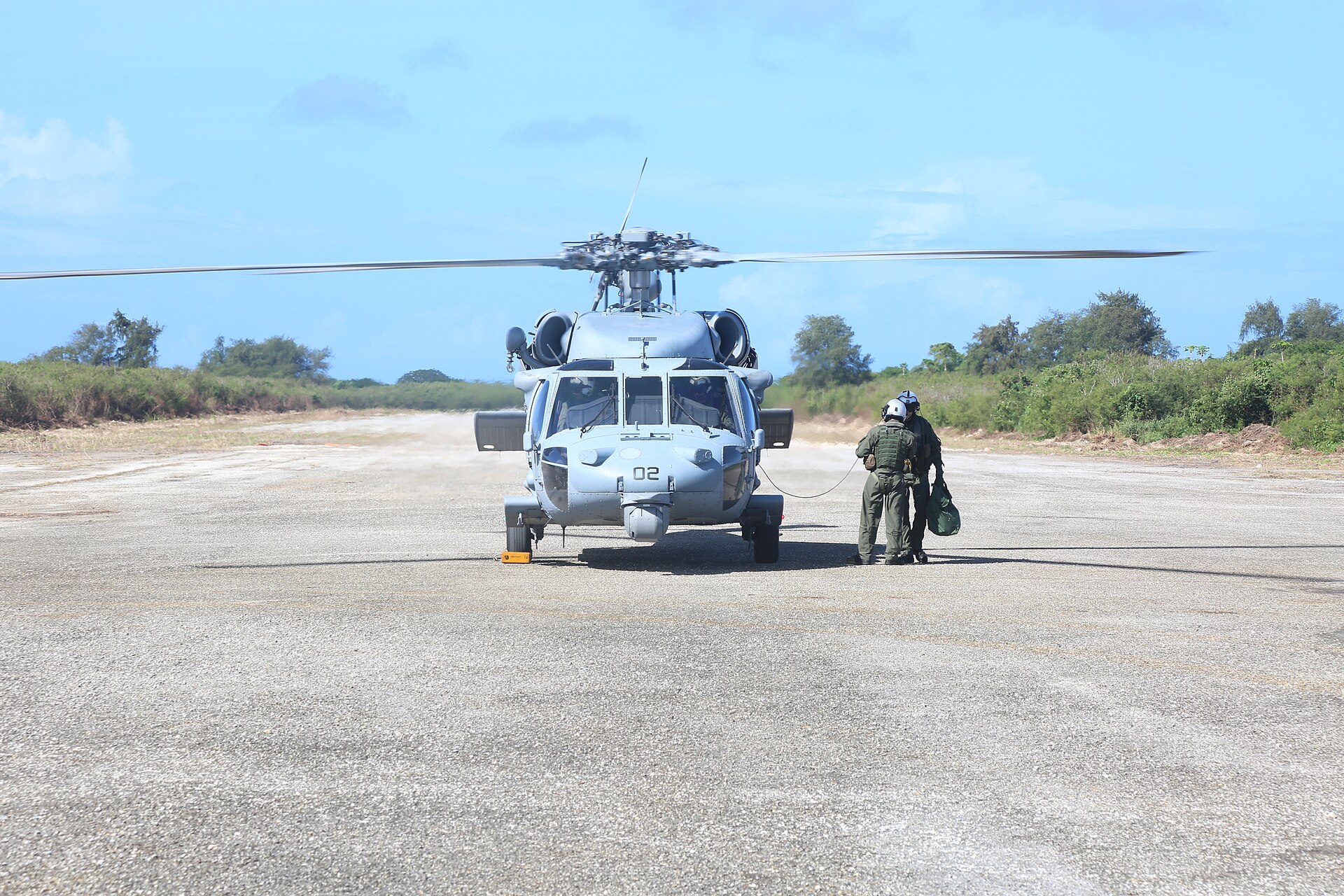
Sector: aircraft, electronics, engines. United Technologies makes a wide range of weapons, especially military helicopters, including the Black Hawk helicopter for the US Army and the Seahawk helicopter for the US Navy. It was the most profitable of all the companies on this list, earning more than $5.3 billion in 2011. It was also the largest company on the list by number of employees, with almost 200,000 people worldwide as of 2011. Weapons make up only 20% of the company’s $58.2 billion in sales in 2011. Other products made by United Technologies include lifts, escalators, air conditioners and refrigerators. International sales made up 60% of the company’s total revenue in 2012.
L-3 Communications
- Arms sales 2011: $12.5 billion
- Total sales 2011: $15.2 billion
- Profit: $956 million
- Total employment: 61,000
Sector: electronics. 83% of L-3 Communications’ sales in 2011 came from arms, totalling just over $12.5 billion. That was down, however, from around $13.1 billion in arms sales in 2010. The company has four business segments: electronic systems; aircraft modernisation and maintenance; national security solutions; and command, control, communications, intelligence, surveillance and reconnaissance. Among its many products, the company has become a major supplier of unmanned aircraft systems. In 2011 it made a profit of $956 million and employed about 61,000 people.
Finmeccanica
- Arms sales 2011: $14.6 billion
- Total sales 2011: $24.1 billion
- Profit: –$3.2 billion
- Total employment: 70,470
Sector: aircraft, artillery, engines, electronics, military vehicles, missiles, small arms and ammunition. The Italian company Finmeccanica makes a wide range of weapons, including helicopters and security electronics. Of the company’s almost $24.1 billion in sales in 2011, 60% came from arms. Finmeccanica lost $3.2 billion in 2011. The Italian company is currently rejecting allegations that it paid bribes to win a contract worth about $750 million to supply 12 military helicopters to the Indian government back in 2010. The company’s then chief executive, Giuseppe Orsi, was arrested in February but has denied any wrongdoing. Other executives, including the head of the company’s helicopter unit, have been replaced, and the company has delayed publishing its latest financial results until the situation is resolved.
EADS
- Arms sales 2011: $16.4 billion
- Total sales 2011: $68.3 billion
- Profit: $1.4 billion
- Total employment: 133,120
Sector: aircraft, electronics, missiles, space. The European Aeronautic Defence and Space Company (EADS), headquartered in the Netherlands, had $16.4 billion worth of arms sales in 2011, roughly in line with 2010. Arms sales, however, make up only 24% of the company’s total sales, which came to about $68.3 billion in 2011. EADS and BAE Systems tried to merge in a $45 billion deal in 2012, which would have created the world’s largest aerospace company. However, the deal collapsed in October after German Chancellor Angela Merkel expressed concern that the new company would sideline the German government’s influence and concentrate decision-making in France and the United Kingdom.
Northrop Grumman
- Arms sales 2011: $21.4 billion
- Total sales 2011: $26.4 billion
- Profit: $2.1 billion
- Total employment: 72,500
Sector: aircraft, electronics, missiles, ships, space. Like many of the companies on this list, Northrop Grumman makes a wide range of weapons, including unmanned systems, air and missile defence radars, and critical incident response systems. In 2011 Northrop Grumman reported about $21.4 billion in arms sales, 81% of the company’s $26.4 billion in total sales. But arms sales in 2011 were down from $28.2 billion in 2010, after growing by $3.5 billion between 2007 and 2010. The company attributed the fall to lower government spending on defence projects. Even so, it reported a profit of more than $2.1 billion in fiscal 2011, slightly better than the previous year.
Raytheon
- Arms sales 2011: $22.5 billion
- Total sales 2011: $24.9 billion
- Profit: $1.9 billion
- Total employment: 71,000
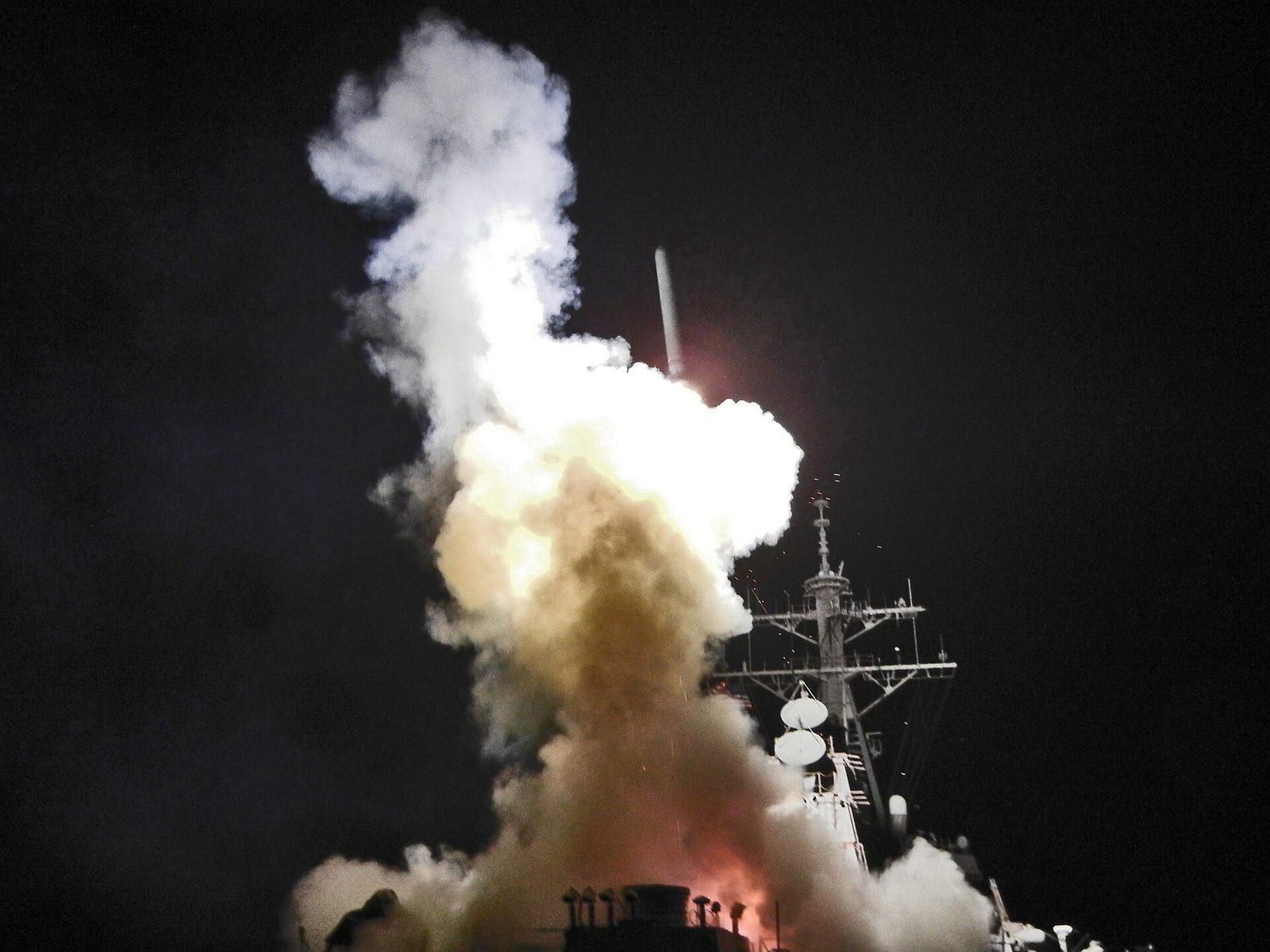
Sector: electronics, missiles. Raytheon, based in Waltham, Massachusetts, is one of the largest defence contractors in the US. The company makes a wide range of defence products, including missiles such as the Tomahawk cruise missile. Arms sales came to about $22.5 billion in 2011, roughly 90% of the company’s total sales that year. However, these sales were slightly down from $23 billion in arms sales in 2010, and the decline has not stopped. Total sales fell 1.5% in 2012, and Raytheon expects sales to fall 3% in 2013, a projection that does not take into account the effects of sequestration. Fortunately, the company can count on foreign customers to offset weak sales at home. As of January, about 40% of the company’s order backlog was overseas, and the company expects international sales to rise by about 5% in 2013.
General Dynamics
- Arms sales 2011: $23.8 billion
- Total sales 2011: $32.7 billion
- Profit: $2.5 billion
- Total employment: 95,100
Sector: artillery, electronics, military vehicles, small arms and ammunition, ships. With 18,000 transactions worth $19.5 billion in 2011, General Dynamics was the third-largest US government contractor. Of those contracts, about $12.9 billion went to the Navy, while a further $4.6 billion went to the Army. The company reported just under $23.8 billion in arms sales in 2011, 73% of its total sales. Arms sales in 2011 were slightly below 2010 levels. The company employs about 95,000 workers worldwide and makes a range of products, including boats from its Electric Boat division, tracked and wheeled military vehicles, and battle tanks. It has expressed concern about the possible effects of sequestration on US military budgets, and issued layoff notices this week.
BAE Systems
- Arms sales 2011: $29.2 billion
- Total sales 2011: $30.7 billion
- Profit: $2.3 billion
- Total employment: 93,500
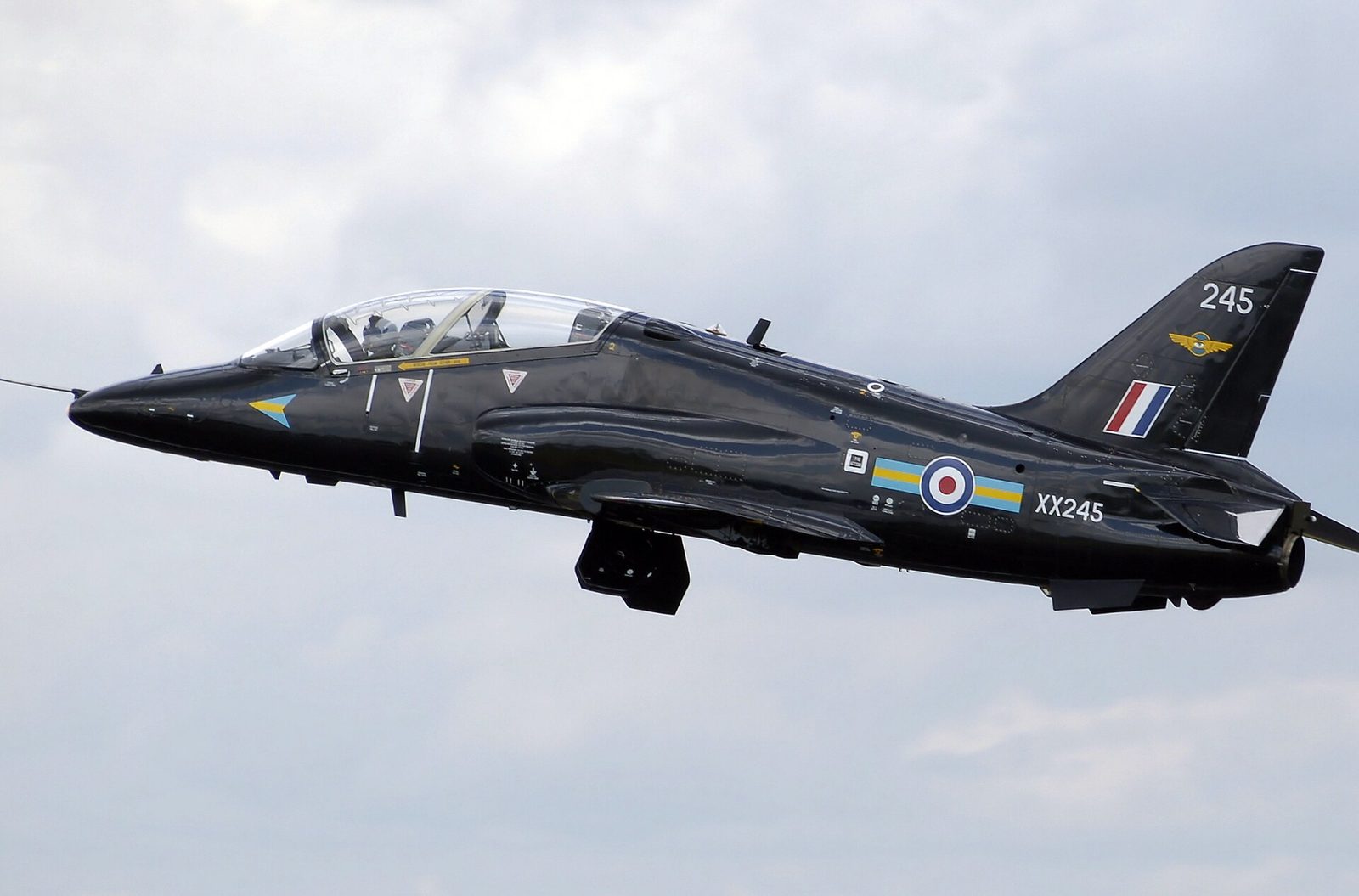
Sector: aircraft, artillery, electronics, military vehicles, missiles, small arms and ammunition, ships. BAE Systems was the largest non-US company by arms sales, with $29.2 billion worth in 2011. That was 95% of the company’s total sales that year. However, its 2011 arms sales were lower than in 2010, when the company sold $32.9 billion worth of weapons. BAE’s products include the L-ROD bar armour system, which shields defence vehicles, and the Hawk advanced jet trainer, which provides sophisticated simulation training for military pilots. In 2013 the company said its growth would probably come from outside the United States and Britain, its home market. BAE said its outlook for those two countries was limited, probably because of a smaller presence in international conflicts and government budget cuts.
Boeing
- Arms sales 2011: $31.8 billion
- Total sales 2011: $68.7 billion
- Profit: $4.0 billion
- Total employment: 171,700
Sector: aircraft, electronics, missiles, space. Boeing was the second-largest US government contractor in 2011, with about $21.5 billion worth of goods contracted that year. The Chicago-based company makes a wide range of weapons, including strategic missile systems, laser and electro-optical systems, and global positioning systems. Despite all these technologies, only 46% of the company’s $68.7 billion in total sales in 2011 came from arms. Boeing is the world’s largest maker of commercial aircraft, producing planes such as the 747, the 757 and, more recently, the 787 Dreamliner. The company is also known for its space technology: Boeing had $1 billion in contracts with NASA in 2011.
Lockheed Martin
- Arms sales 2011: $36.3 billion
- Total sales 2011: $46.5 billion
- Profit: $2.7 billion
- Total employment: 123,000
Sector: aircraft, electronics, missiles, space. Lockheed Martin notched up $36.3 billion in arms sales in 2011, slightly more than the $35.7 billion it sold in 2010. Arms sales made up 78% of the company’s total 2011 sales of $46.5 billion. As of 2011, the company employed 123,000 people worldwide. Through its aerospace and defence business, Lockheed makes a wide range of products, including aircraft, missiles, unmanned systems and radar systems. The company and its employees have been worried about the effects of both the fiscal cliff and sequestration, the latter including significant cuts at the US Department of Defense. In autumn 2012 the company planned to issue layoff notices to all its employees, before backing down at the White House’s request.
If you want to see a list of the 100 companies around the world that benefit from war, you can find the full list on the SIPRI website.
Featured image: U.S. Marine Corps photo by Cpl. Joseph Karwick, Public domain, via Wikimedia Commons.