Editor’s note: This article was first published in June 2011, on 1 June 2011, days after German authorities blamed Spanish cucumbers for the E. coli outbreak. The source was later traced to sprouts produced in Germany, so the piece reflects the situation before that was known.
The Escherichia coli O104 bacterium is a very rare variant, which has made this infection the worst E. coli outbreak in Europe.
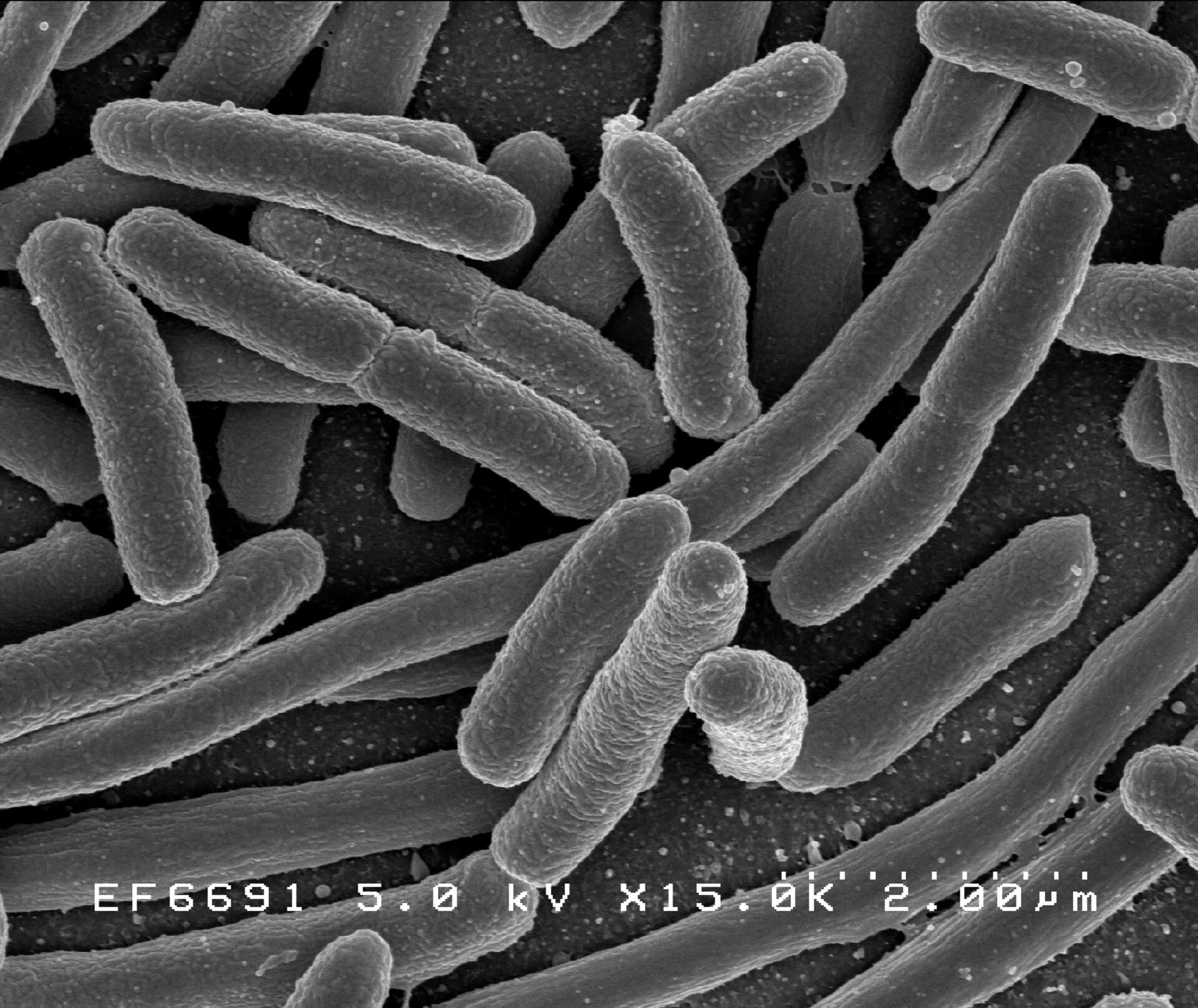
Most E. coli live in the intestines of humans and animals; in other words, it’s a bacterium we all carry inside us, and it helps our body and certain organs. However, if this bacterium grows out of control it can lead to serious complications such as haemolytic uraemic syndrome (HUS).
Why does E. coli infection happen?
Among the most common known causes are eating raw vegetables and fruit, and drinking unpasteurised milk and juice. It can even come from the water itself if it is contaminated with faeces (more often than you might think).
Is it passed from person to person?
Yes, it can spread easily, mostly because of poor hygiene. If one person touches an object or some food and a healthy person then brings it into contact with their mouth or eyes, it is very easy for the infection to pass on. That’s why it’s vitally important to wash your hands often and, above all, to wash food thoroughly before eating it.
It’s also vitally important that people who use dishwashers make sure they run at the right temperature to kill all kinds of bacteria.
Why is this infection so aggressive?
The E. coli bacterium produces a toxin that acts like a lethal poison on the organs. It develops in the intestine and then passes into the blood vessels until it reaches the kidney and liver. Nobody is free of risk, although clearly children and the elderly, if infected, are the groups most at risk of complications from this disease.
What are the symptoms?
The symptoms of E. coli, combined with the new variant we’re seeing (O104), are quite aggressive, and the bacterium resists many medicines. The most common symptoms are bloody diarrhoea, severe stomach pain, kidney failure and anaemia. If you notice any of these symptoms, you should see a doctor immediately before the bacterium spreads.
The bacterium is more likely to be beaten in its initial phase than once it has reached its second phase.
How can we prevent it?
The only prevention is personal hygiene: washing your hands, washing food, glasses and cutlery thoroughly, and drinking bottled water if there are cases of infection in your city.
Avoid undercooked meat, unpasteurised milk and raw vegetables. Cooking vegetables kills the bacterium. Basically, it’s a matter of taking a few preventive measures.
Effects on the Spanish economy?
Incalculable, since it will take time to win back foreign confidence in Andalusian agriculture. Once everything has been cleared up, those responsible should be found, whether in transport, production, customs or handling after the product left Spain.
Explanations should be demanded for how quickly the German government blamed Spain and, above all, someone should be held to account for the damage done to Spanish industry. Bad news spreads like wildfire and has an immediate effect. Confidence comes back much more slowly, and the damage already done is irreversible.
The Spanish government should ask the European Union for financial compensation to make up for the losses in this battered sector.
Featured image: MdeVicente, CC0 1.0, via Wikimedia Commons.