Editor’s note: This article was first published in May 2011, on 23 May 2011, the day after the PSOE’s defeat in Spain’s local and regional elections. Zapatero later called an early general election for 20 November 2011, which the PP won. The 5 million unemployed and bailout fears reflect that moment.
The current prime minister, the Socialist José Luis Rodríguez Zapatero, has completely ruled out agreeing to early general elections, even after being punished by Spanish voters at the ballot box. The opposition is pressing hard for the prime minister’s resignation and for an early election.
One thing is clear: few parties can afford the luxury of calling early elections shortly after a defeat like this one, because the vote would simply extend the current results. And every politician knows that a year is a lifetime in politics, and that a lot can happen in those twelve months.
The PSOE knows full well that it has been punished for the crisis and for its handling of it: if there was a solution, they failed to find it. They understand that Zapatero’s austerity plan may not have gone down well with the public, although they insist it was absolutely necessary to avoid the risk of a bailout, which would have happened had Spain not gone along with what the markets were demanding.
Clearly, it’s in the opposition’s interest to have early elections right away, since there’s no better moment than just after a victory to consolidate themselves as winners again.
For my part, if I had to give some advice, even knowing it won’t be taken… if I were Zapatero, I’d call early elections right now, simply to watch from the safety of the barrier how someone else “fights this bull” and how they manage a crisis of this size in a country with little industry, staggering debt and a wrecked economic engine, where we have only one card left to play, and we must play it well (tourism).
There’s no way 5 million jobs will be created over the next four years, and it will remain absolutely necessary to keep raising revenue to tackle the national debt.
Encouraging entrepreneurship is part of the PP’s plans, but that requires turning the credit tap back on. Will the unemployed continue to be protected, swelling public spending? What kind of healthcare will we have, free or paid? Will they scrap the smoking ban, which a great many people saw as a blunder by the current government? What will public education look like from then on? Will the proposal for dación en pago (letting homeowners settle their mortgage by handing the home over to the bank) go ahead, and if so, how will it affect the granting of new mortgages? Will the social cuts end? And if they do, where will the money to pay Spain’s debt come from?
There’s only one way to answer these questions, and I’m eager to see how this crisis is handled next. In fact, I’m eager to see the PP’s best-kept secret: the solutions to a global crisis that hit Spain hard.
How do you create wealth in a country where poverty is already widespread? I want to see it.
As someone once said:
When a company is profitable, you need a financier and/or an economist to run it. When a company isn’t profitable, what you need is a magician.
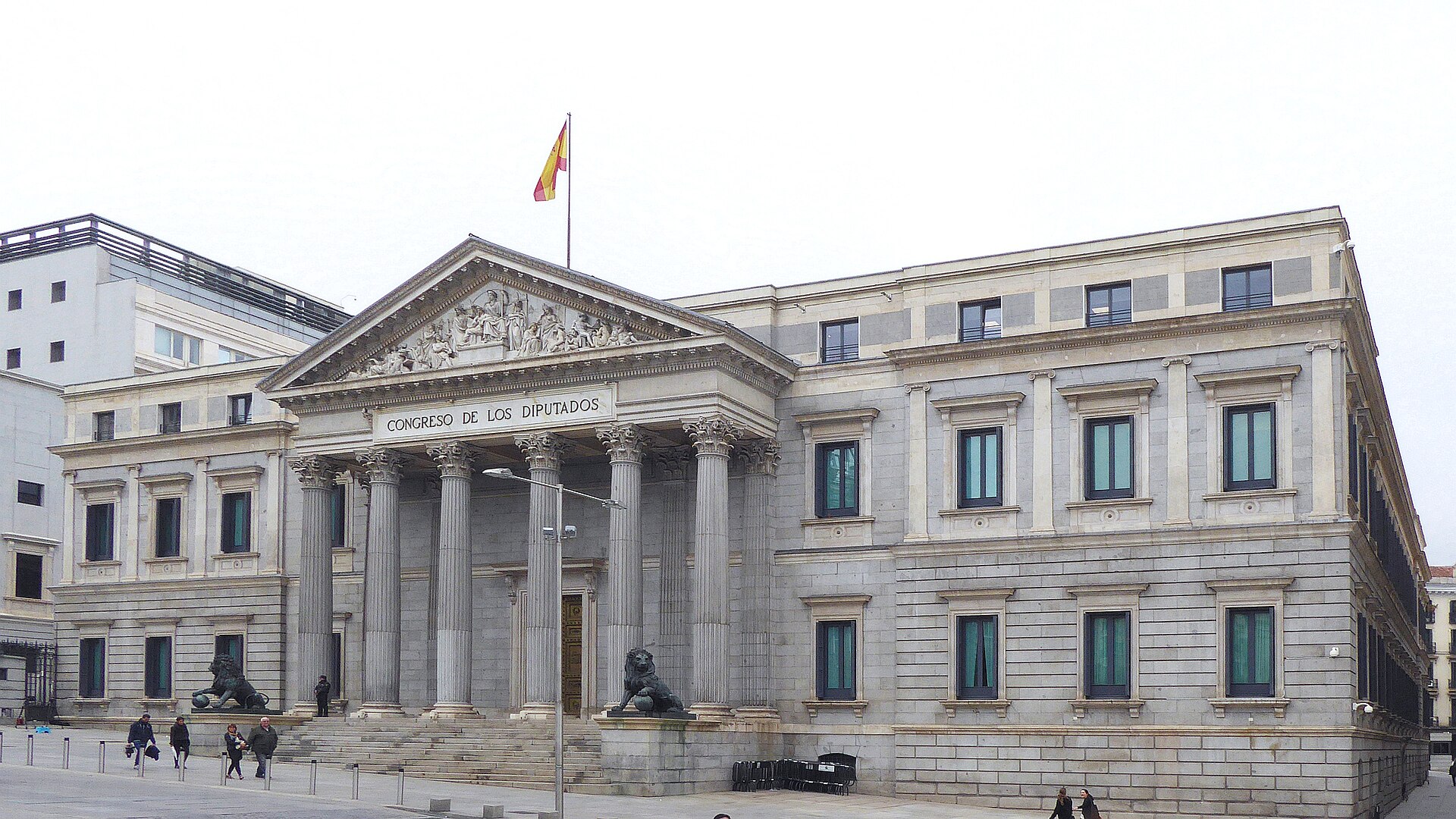
Featured image: Foto Wolfgang Pehlemann, CC BY-SA 3.0, via Wikimedia Commons.