Editor’s note: This article was first published in July 2013. The reference to “a recession like the current one” describes the crisis in Spain in 2013.
If we had to explain the essence of investing to build personal wealth by buying shares, it would come down to the two or three basic ideas that any small investor can follow, which also happen to be the same strategy the big investors use.
We’re not even going to talk about value investing, although it is undoubtedly still the most profitable approach. With or without stock market experience (if you gain some along the way, so much the better), anyone can make money, and even build a large fortune, in the stock market as long as they focus on the long term.
(Read: The 7 immutable principles of investing)
We’re not going to talk about trading or trend trading either, because, statistically speaking, 90% of people make money in the stock market over a 10-year period with a well-diversified portfolio, while 90% of traders lose money. Investing in the stock market is one thing; gambling on it is something very different.
Given that our strategy is a long-term one, we need to keep in mind one of the most basic principles of investing: the money we invest must be money we won’t need for at least the next five years (ten is advisable).
(Read: Warren Buffett’s 16 best investing tips)
1. What kind of stocks should we choose?
Personally, I think the big opportunities in the stock market are found in heavily beaten-down stocks that probably aren’t paying dividends. But for someone starting out with this kind of strategy and without much stock market experience, I would advise beginning with stocks that pay good dividends, as long as those dividends are sustainable. Here we explained how to put together a dividend investing strategy.
2. Tolerance for market swings
If we’ve chosen this long-term strategy, we have to be prepared to do nothing. Over the long term, investors who place fewer buy and sell orders have been shown to earn better returns than those who trade more often. We’ll go by a saying of the great investors: “If you’re not prepared to see your portfolio drop 50%, investing in the stock market probably isn’t for you.”
With this strategy we’re going to change the way we think about investing (because, I insist, we’re in it for the long term). If the company we’ve invested in falls 50%, it isn’t a disaster but an excellent opportunity to buy more.
3. If we invest for dividends, it’s to reinvest them
This strategy only builds wealth over the long term if we reinvest the dividends in buying more shares. If your company pays a dividend every quarter, never take it in cash; ask for more shares instead. Reinvesting the dividend is what produces the “compound interest” effect: by reinvesting, the number of shares we own keeps growing, so the next dividends are bigger too. Add to that the appreciation in the share price, and you have the best-known way to build wealth in the stock market.
If you don’t stray from this strategy and follow it to the letter, in 10 years, if you’re lucky enough not to be caught by a recession like the current one, you could see results and returns you can’t even imagine right now. Of course, the strategy would work much better if you hold the shares for many more years. At that point you could take the dividend in cash as passive income, and when the time comes, depending on how much capital you have in the market, that dividend could pay you more than you earn at your job.
Clearly, if you keep learning about the stock market while you invest this way, you’ll be able to spot new opportunities and even hedge your portfolio against declines the market has clearly signaled. But basically, this would be an excellent method for anyone to earn a return of more than 10% a year at the end of 10 years, and much more if the market cycle is at the right point.
Further reading
- 3 investment ideas that can get you into trouble
- 7 lessons about money and investing your parents taught you without knowing it
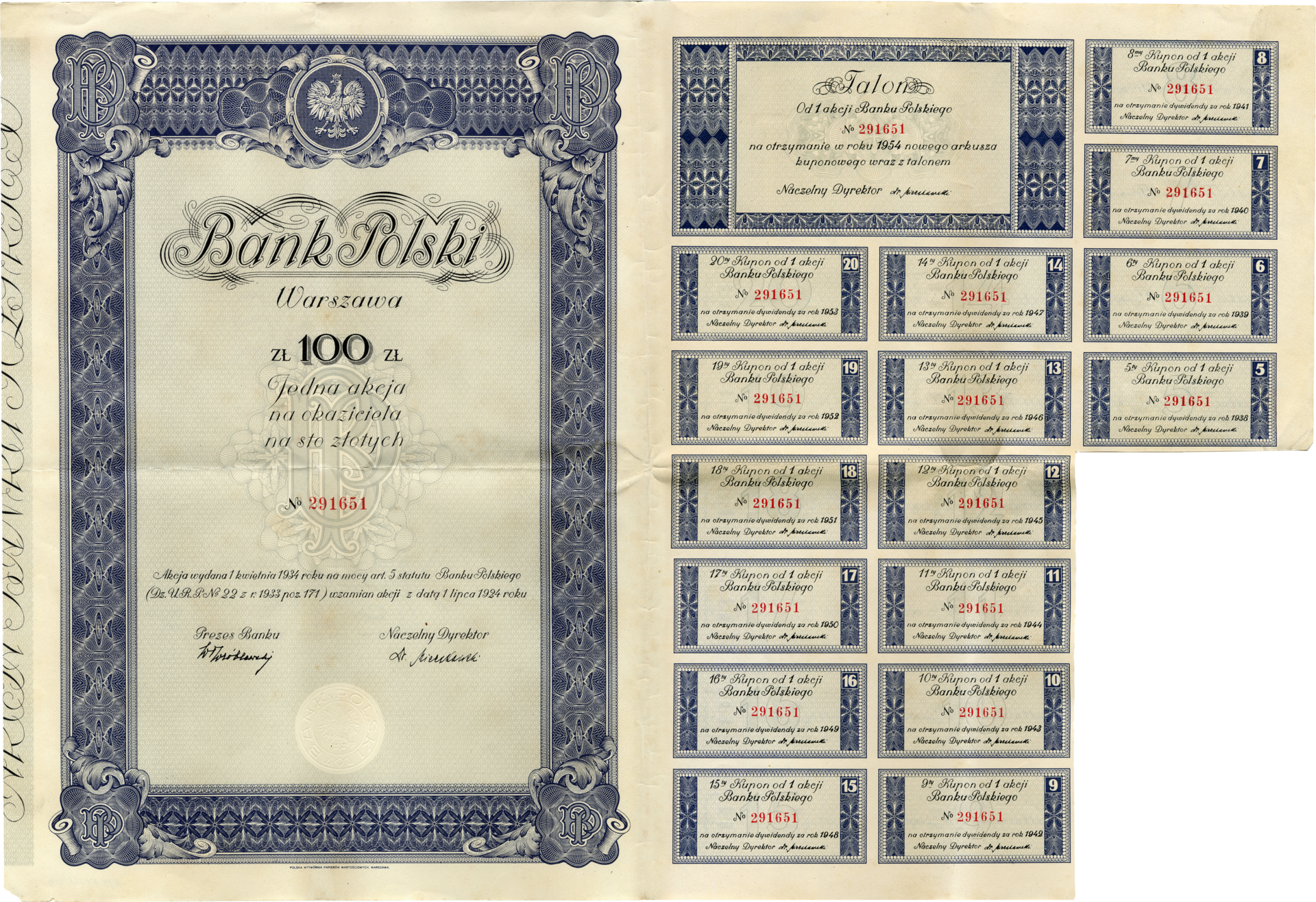
Featured image: Bank Polski SA; printed by Polska Wytwórnia Papierów Wartościowych, Warsaw. Digital reproduction: Museum of the National Bank of the Republic of Belarus., Public domain, via Wikimedia Commons.