Editor’s note: This article was first published in May 2012, ahead of the 17 June 2012 Greek elections; Citigroup’s estimate of a Greek euro exit on 1 January 2013 and its forecasts for GDP and a new currency are from then. Greece did not leave the euro.
Although there have been attempts to deny that Greece intends to leave the euro, the truth is that things no longer stop at drawing up a contingency plan “just in case”. According to estimates by Citigroup economists, Greece would be preparing to leave the euro on 1 January 2013. Clearly, it is not in Europe’s interest for Greece to leave the euro, as it could trigger contagion across the whole eurozone.
Each country has to prepare its own contingency plan to soften the effects of an exit. The public money Europe has at stake if that exit goes ahead would be around 300 billion euros, and in Spain’s case 40 billion. That said, according to estimates by the Greek authorities, the country is running out of cash, so by June it could have serious trouble paying pensions and public-sector salaries, as well as meeting its payments to official creditors.
All hopes would rest on the elections of 17 June, in the hope that a competent government is formed that accepts Europe’s conditions, although it is already easy to foresee how hard it will be to elect a government that accepts the austerity policies which, so far, have not let the Greek people glimpse a way out of the crisis.
According to some experts, the door Greece will choose is very predictable: to adopt the proposal that Jonathan Tepper put forward as the solution for Spain.
Greece would have to leave the euro for reasons related to its limited cash reserves, so that it could print its own money and cover its spending. Citi adds that the new Greek currency would immediately fall 60% against the euro.
Once in this new scenario, Citigroup believes Greece’s gross domestic product would shrink by 10% in 2013. However, it could rebound by 4–5% by 2015–2016, as gains in cost competitiveness would boost exports and, above all, tourism.
Problems for the rest of Europe? We assume that when the time came, the wave of contagion would be inevitable. Some countries would suffer the consequences more than others, and for some time we would raise doubts in the eyes of potential foreign investors.
We don’t know whether Greece will stay or go in the end, and that uncertainty is also holding back the long-awaited rebound in the markets, since nobody knows whether the contingency plan would be fully effective, although many believe the stock markets have already more than priced in Greece’s exit from the euro.
The fact is, it’s ironic how such a small country has the markets of the whole world in check.
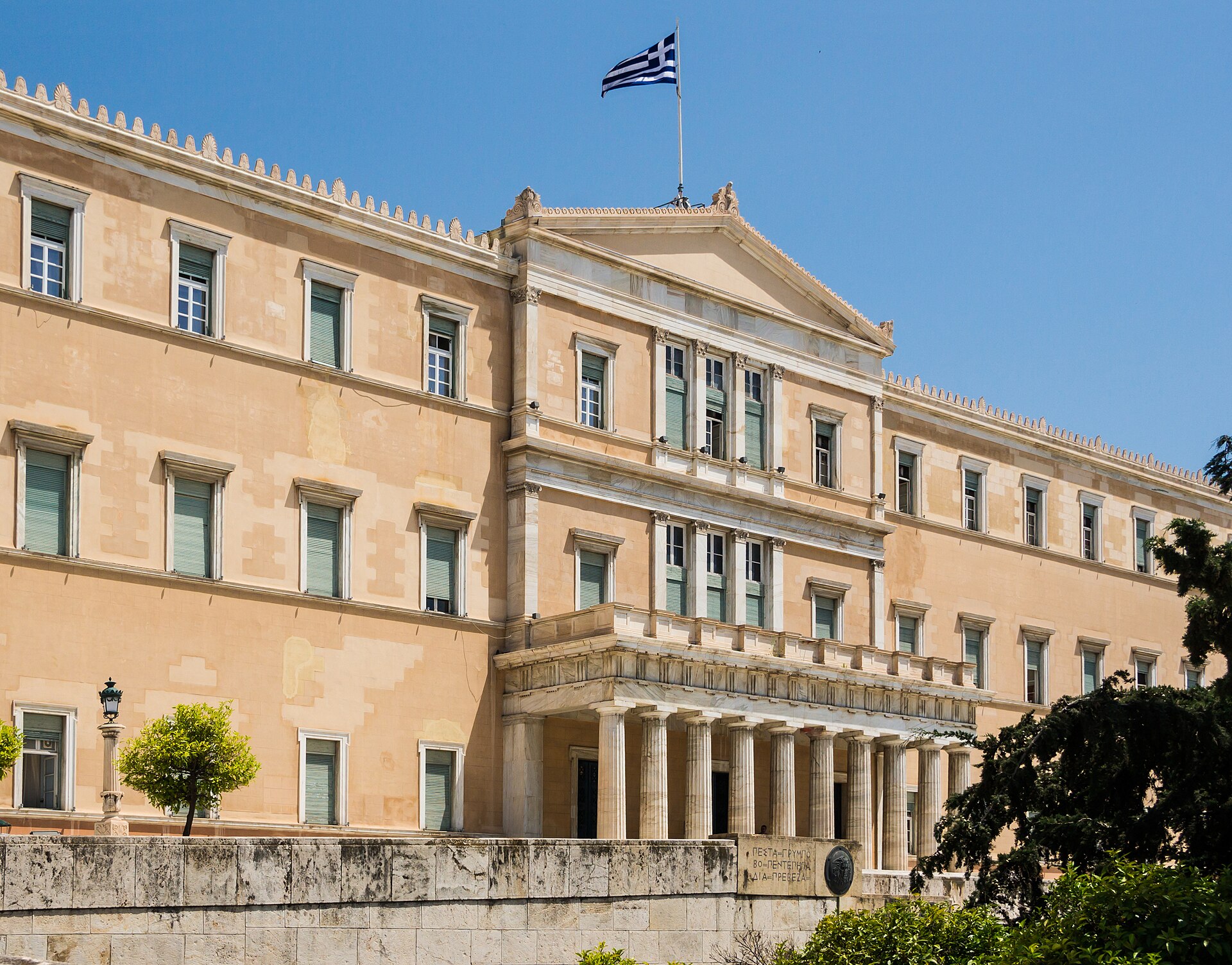
Featured image: Jebulon, CC0 1.0, via Wikimedia Commons.