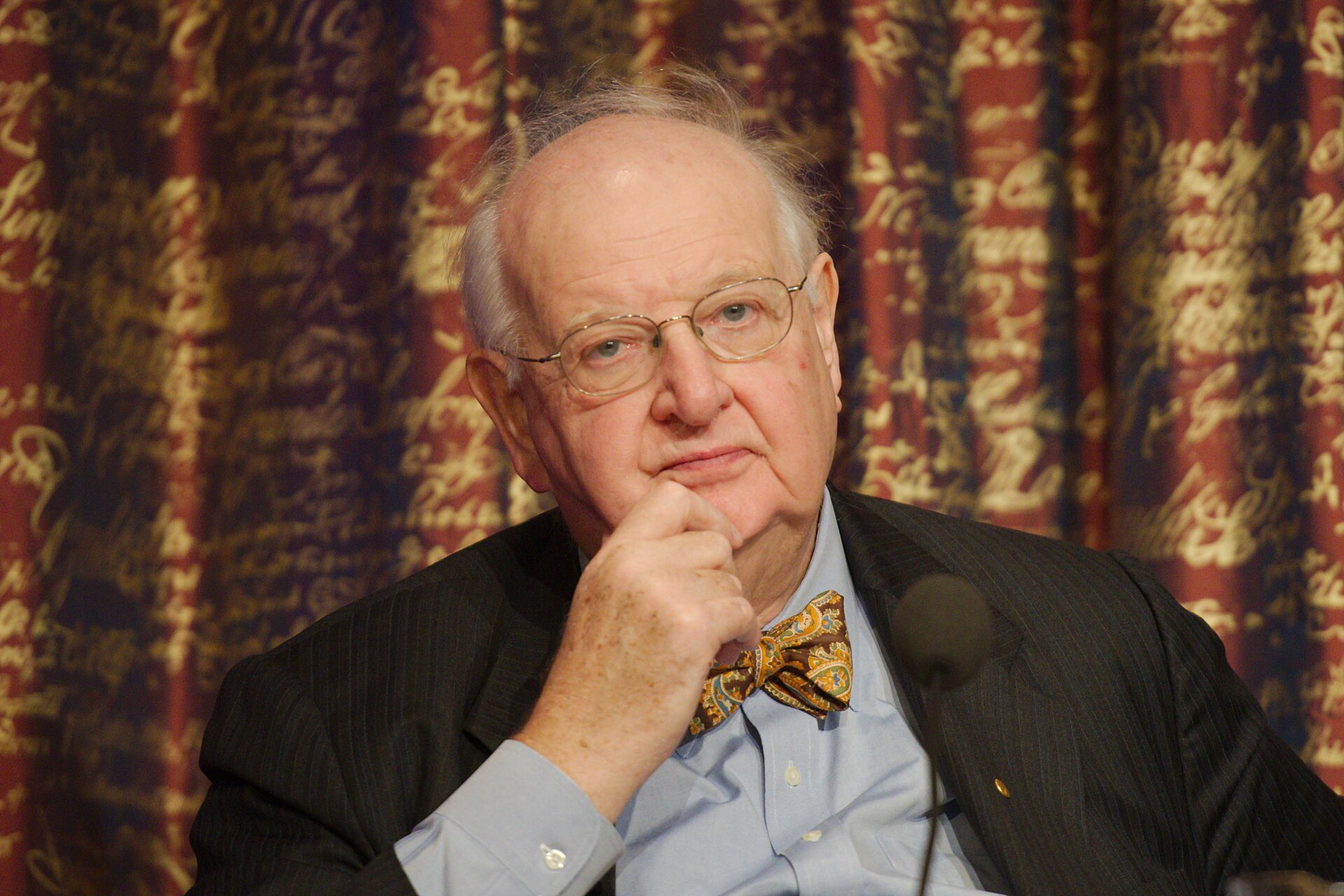
Editor’s note: This article was first published in November 2011. Angus Deaton is introduced only as a renowned economist, though he won the Nobel Prize in economics in 2015, and Daniel Kahneman died in 2024. The euro conversion (about 55,500 euros) reflects the 2011 exchange rate.
Two researchers have given meaning to the word happiness. We’ve often asked ourselves what it takes to be happy, and we’ve rarely found an answer, because so often we’ve seen that happiness… comes and goes.
Angus Deaton, a renowned economist, and Daniel Kahneman, a psychologist and Nobel laureate, both from Princeton University, have carried out a study to find out what makes us happy and, most importantly, what circumstances need to be in place for us to be ready to be happy.
Until now, happiness had been studied from a purely psychological and emotional point of view, on the premise that money can’t buy happiness. This study debunks that idea, because it starts from the premise that we need money to be happy. In fact, the economist Angus Deaton took part in the study not to analyse whether money is necessary or not, but to calculate how much money we need to be happy.
The magic number for happiness is an income of 75,000 dollars a year, about 55,500 euros. Of course, we would also need emotional well-being, such as friends, a partner, family… because there is no happiness if it can’t be shared with loved ones.
The 75,000-dollar figure wasn’t picked at random: the answers of more than 450,000 people revealed that the minimum acceptable income for being happy lies at that amount. Some people have been sceptical about the study, because a salary of 55,000 dollars in Spain is well above average, whereas in New York you couldn’t do much with that money.
Money matters, because it causes many of our worries and, in turn, many of our family arguments. But it’s also true that you can have a lot of money, and even be rich, and still not be happy, because there’s also the emotional side.
In short: there is no happiness without economic and financial security. Nor is there any if love, friends and family are missing. When the quality of our emotional well-being is measured, it’s not only about having a high income, but also about earning it through work we’re passionate about, bearing in mind that these days we spend more time at work than with our loved ones.
Further reading
Featured image: Holger Motzkau, CC BY-SA 3.0, via Wikimedia Commons.