Editor’s note: This article was first published in December 2011, describing Somalia as “currently the most dangerous country in the world”, Chernobyl tours as one of the most sought-after destinations, and visits to Fukushima after the March 2011 tsunami. Access to these places has changed considerably since.
Think of the places you’d like to visit on holiday. Now think of the places you wouldn’t go to even if someone paid you. Well, there’s business in those places too, thanks to high-risk tourism.
When we talk about risk tourism, we don’t mean adventure tourism: bungee jumping or leaping off the top of a waterfall may be risky, but it’s controlled to some extent. Risk tourism means turning up in a country that is at war. It means going to a place whose own inhabitants are desperate to leave. This kind of tourism is in demand, it pays well, and it usually comes with a clause releasing the travel agency from any liability.
Tourism for the crazy
When an ABC reporter came across a tourist staying at a hotel in what is currently the most dangerous country in the world, Somalia, it looked like an exception, probably some lunatic who had got lost. But no: he was a tourist who, like many others, wanted to experience the danger of a war, where the fun, or “job”, of certain soldiers is shooting at “targets”.
Travel agencies specializing in this kind of tourism are estimated to have had more than 200 clients willing to pay exorbitant sums for the opportunity.
Disaster tourism
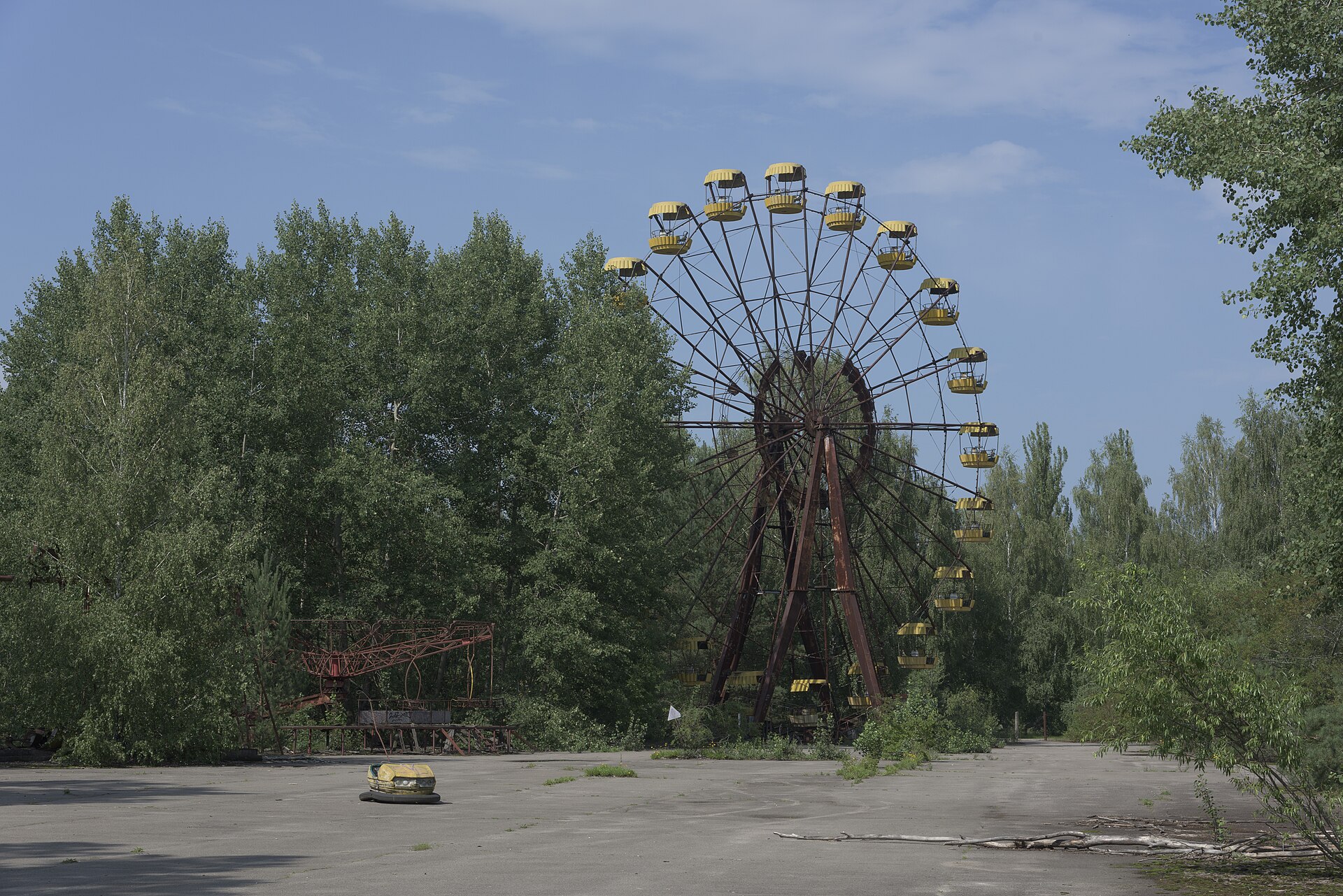
Another kind of tourism involves visiting countries or cities at the “ground zero” of a disaster. These days, Chernobyl is one of the most sought-after destinations for tourists, where you can travel back in time to see what was left of the nuclear power plant after the explosion. Package tours to hell. Of course, this kind of sightseeing could also count as high-risk, since radiation levels are said to persist at the plant.
Other tourists decided to go into Fukushima to see what the area looked like after the tsunami. In the same way, when a war ends, many tourists are eager to see the devastated city.
The closest real-life case is the rise in tourist demand to visit the site of the Twin Towers after 9/11.
Morbid tourism
A form of tourism that is very fashionable in the United States is staying in houses where a massacre took place or where paranormal events are said to occur: supposedly haunted castles, houses where strange faces appear on the walls, homes where whoever sleeps there is said to see ghosts and have an experience from the beyond. This kind of tourism is in high demand, and not only in the United States, since these agencies take their clients to places all over the world, including Europe and Spain.
As you can see, there are customers for every kind of tourism; it’s just a matter of putting the crazy customer in touch with a company able to satisfy the craze. Beyond that, this is without doubt a profitable business, since people usually pay large sums for specialization.
Further reading
- A military-style boot camp for losing weight
- Wine tourism: the culture of wine
- Business tourism
- Gay and lesbian tourism
- More business ideas in tourism
Featured image: Hnapel, CC BY-SA 4.0, via Wikimedia Commons.