Editor’s note: This article was first published in May 2014. It is a snapshot of a Facebook ad campaign from that month; the 48-euro price and the product claims are as advertised at the time.
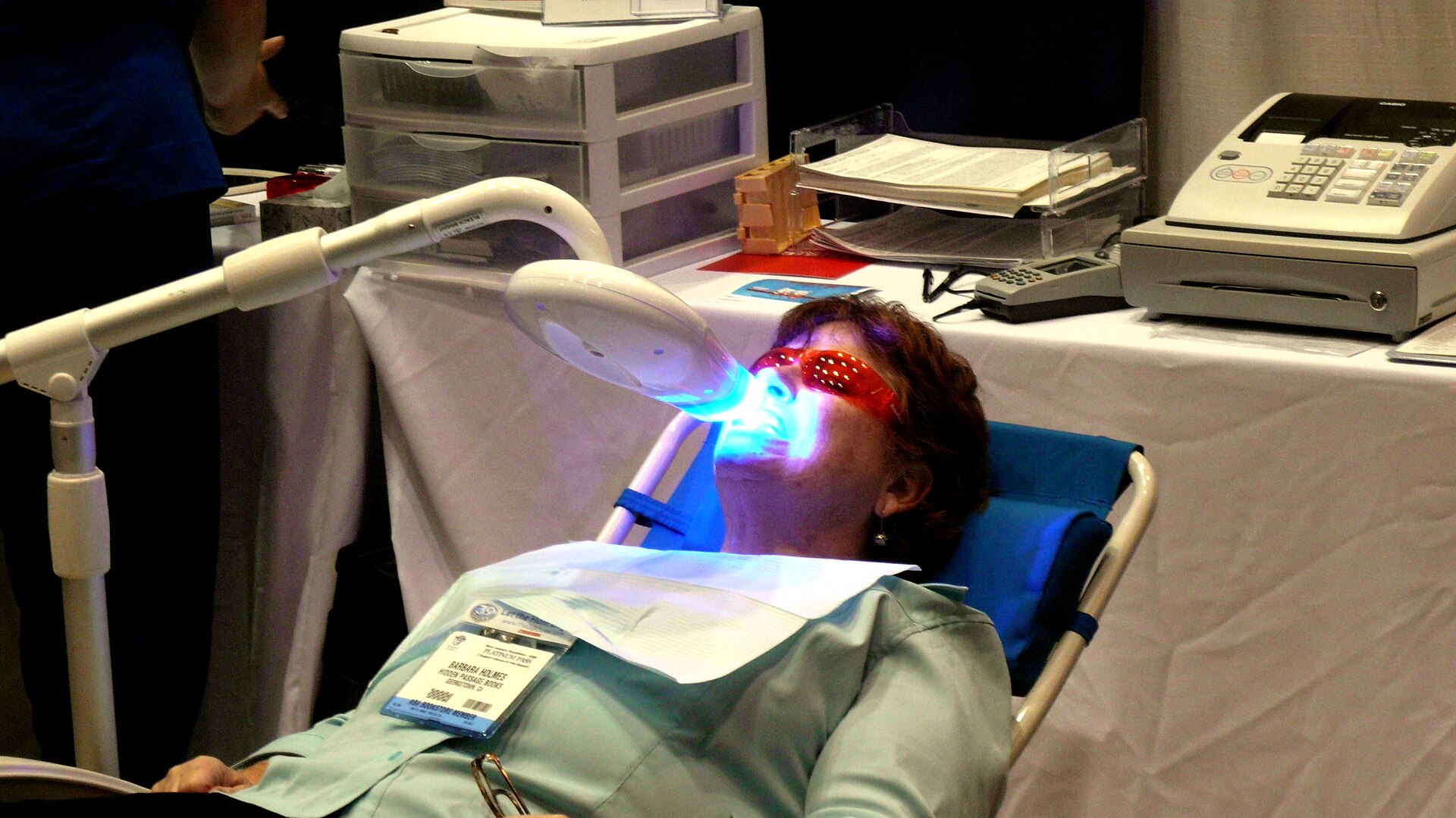
Just as the “miracle” baldness cure Fulfix managed to get money out of thousands of users thanks to a scam spreading on Facebook, right now Ionic White is spreading like a virus: a supposed tooth whitener that works in 21 minutes, is much cheaper than the traditional treatment used by dental clinics (price: 48 euros) and is also less harmful than other treatments.
“Once again, we are looking at a product that has left dentists open-mouthed. This is one of those products dentists don’t want you to know about and will jealously hide from you so as not to lose business.” Basically the same story that already landed the king of infomercials in jail. (Read: “They” don’t want you to know you’re a fool)
As you know, on this site we have always gone by common sense, and the truth is that we have found the same pattern that “scam products” follow: the creation of apparent blogs, written by apparent bloggers, that contain a single article describing their wonderful experience with the tooth whitener.
Then there are the supposed comments from apparent people at the foot of the article, all pre-written, which talk only about the virtues and benefits of Ionic White and imply that the product has been featured in major media such as CNBC, USA Today or CNN, when those outlets have never mentioned it. A practice that borders on the illegal.
Likewise, in forums where people discuss whether the product works or not, we can see that anyone with a positive opinion of it tends to leave a link to a page selling that product or a similar one (a run-of-the-mill home tooth whitener).
Those signs alone tell us we are dealing with a product that will do none of what it claims, since its strategy is to drown out the opinions of the people who actually bought it.
This also reopens the debate over junk advertising on Facebook and the weak control over scam products being promoted there, which can reach millions of people, and among them there is always a percentage who take the bait.
In short: the only thing getting cleaned out will be your wallet.
Further reading
- The Facebook smartphone giveaway scam is worse than we thought
- Some traits that make you the perfect victim of a scam
Featured image: Cory Doctorow, CC BY-SA 2.0, via Wikimedia Commons.