Editor’s note: This article was first published in March 2013. It is market commentary from 1 March 2013: eurozone unemployment of 11.9%, IBEX 35 results for 2011-2012, the US sequestration deadline and Italy’s political uncertainty. Pescanova and Banco de Valencia are described as the stories broke that morning, and both developed considerably afterwards.
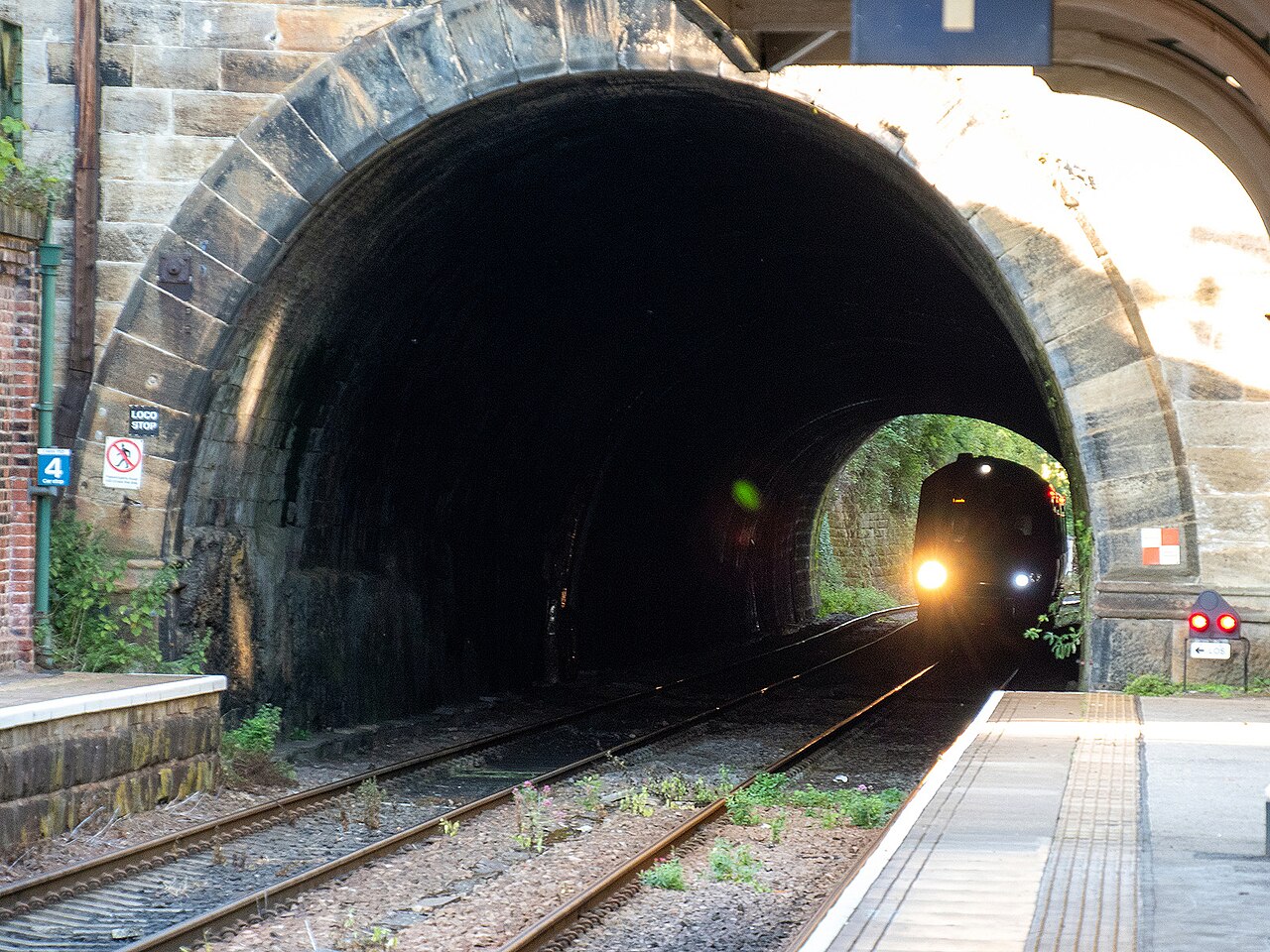
The story goes that two children got lost and wandered into a long, dark tunnel. One of them jumped for joy on seeing the light at the end of the tunnel, a light that, unfortunately for the little ones, wasn’t the way out but the headlight of a train that ended up running them over.
We’re wrapping up a week of macroeconomic data that confirms our suspicions: in 2012 and early 2013 we are even worse off than in 2007–2011 (the acute phase of the crisis), and common sense says the trend will stay dismal through the end of 2013. Eurozone unemployment has hit a new record of 11.9%, with Greece (27%) and Spain (26.2%) at the top of the table. In Spain, unemployment will keep rising this year, since all the employment news we hear from large companies tends to include the words “adjustment” or “ERE” (a collective redundancy procedure). Likewise, small and medium-sized enterprises (SMEs) have no plans to hire staff this year. Most will be fighting not to close.
Meanwhile, the IBEX 35 companies as a whole have set a new, probably all-time, record for losses. In 2012 they lost a combined 7.4 billion euros, compared with profits of 32 billion in 2011. Of course, these losses are mainly due to Bankia, which lost 19 billion, to bank write-downs and, above all, to the construction companies. The only one that escaped, and it deserves a mention, is OHL, which earned 350% more than the year before, with profits of just over 1 billion euros.
If we take Bankia out of these results, the IBEX as a whole would have made a profit of 11.7 billion euros, and even that would be 63% less profit. So for now, if we take our most select companies (the IBEX 35) as the benchmark, we can clearly see that results have been on a downward slide.
Have all the dangers and uncertainties been overcome?
We were told there was no more bad news left for this year and that the worst was behind us. We were done with doubts. Apparently, though, the political uncertainty in Italy and the corruption in Spain hadn’t been priced in yet, and they have already raised some doubts. The music has started playing and the risk premium is starting to dance.
If the risk premium (the spread between Spanish and German government bond yields) shoots up again, the spectre of a bailout will return, and if Europe keeps taking the same medicine, the doubts will come back about some countries leaving the eurozone, or simply about the euro failing.
Before, we had the worry about the fiscal cliff in the United States, which seemed to have been solved but was really only postponed. Today we have the “sequestration”, which is basically part two of the fiscal cliff and which, if US leaders fail to reach an agreement, would end up creating more unemployment and slowing US GDP.
Most analysts expect Democrats and Republicans not to reach an agreement in the end. Even so, I’d like to think they’ll solve it at the last second (Made in USA), because if they don’t, volatility would return to the US stock markets and soon spread to European ones.
The problems and uncertainties aren’t over yet, because as long as we don’t see positive employment data, the economy is dead, whatever some economists say.
Beware of the Mercado Continuo
Although on other occasions we’ve talked about investing in penny stocks, let’s be clear: be very careful about speculating in some of them (on Spain’s Mercado Continuo, the electronic market where most smaller listed companies trade).
We didn’t consider Pescanova a penny stock, and this morning it woke up suspended from trading after filing for pre-insolvency protection (a Spanish procedure that gives a company time to negotiate with its creditors). Anyone holding speculative positions in Banco de Valencia will have paid dearly for them: the stock opened choked at €0.01, with everyone wanting out and only a lucky few managing it, since there were no buy orders after the rumour that it could be delisted from the stock exchange.
I know many of you hold positions in real-estate penny stocks such as Urbas, Quabit and the like. Others have their money in companies rumoured to be takeover targets. So far, the takeover bids we’ve seen have been very generous and the speculative play has worked out well. But past results are no guarantee of future ones, so be careful in case the next bids end up costing you money or, worse still, in case one morning we see a property company suspended from trading because it has gone bust.
There’s still a lot to fix in Europe, and until we get down to work, market volatility will remain high, especially every time new unemployment figures come out.
Featured image: A train approaching through Knaresborough tunnel by John Lucas, CC BY-SA 2.0, via Wikimedia Commons.