

Editor’s note: This article was first published in August 2011. It was written on Sunday 7 August, two days after Standard & Poor’s cut the US credit rating. The expected Monday sell-off, the ECB-G7 call, US debt of “more than $14 trillion” and the update on ECB bond purchases all describe that weekend.
The Standard & Poor’s downgrade of the United States means that no fund manager or investment bank is enjoying a holiday this weekend. The news was deliberately held back until Friday afternoon, once the markets had closed, because if it had come out during trading hours it would have caused a catastrophic fall in international markets.
No media outlet is optimistic about what may happen this Monday, as massive panic selling of shares is expected. We have already seen a clear example of what could happen on the Israeli stock exchange, which lost 6% in the first minutes after opening, since most of the sell orders had already been placed.
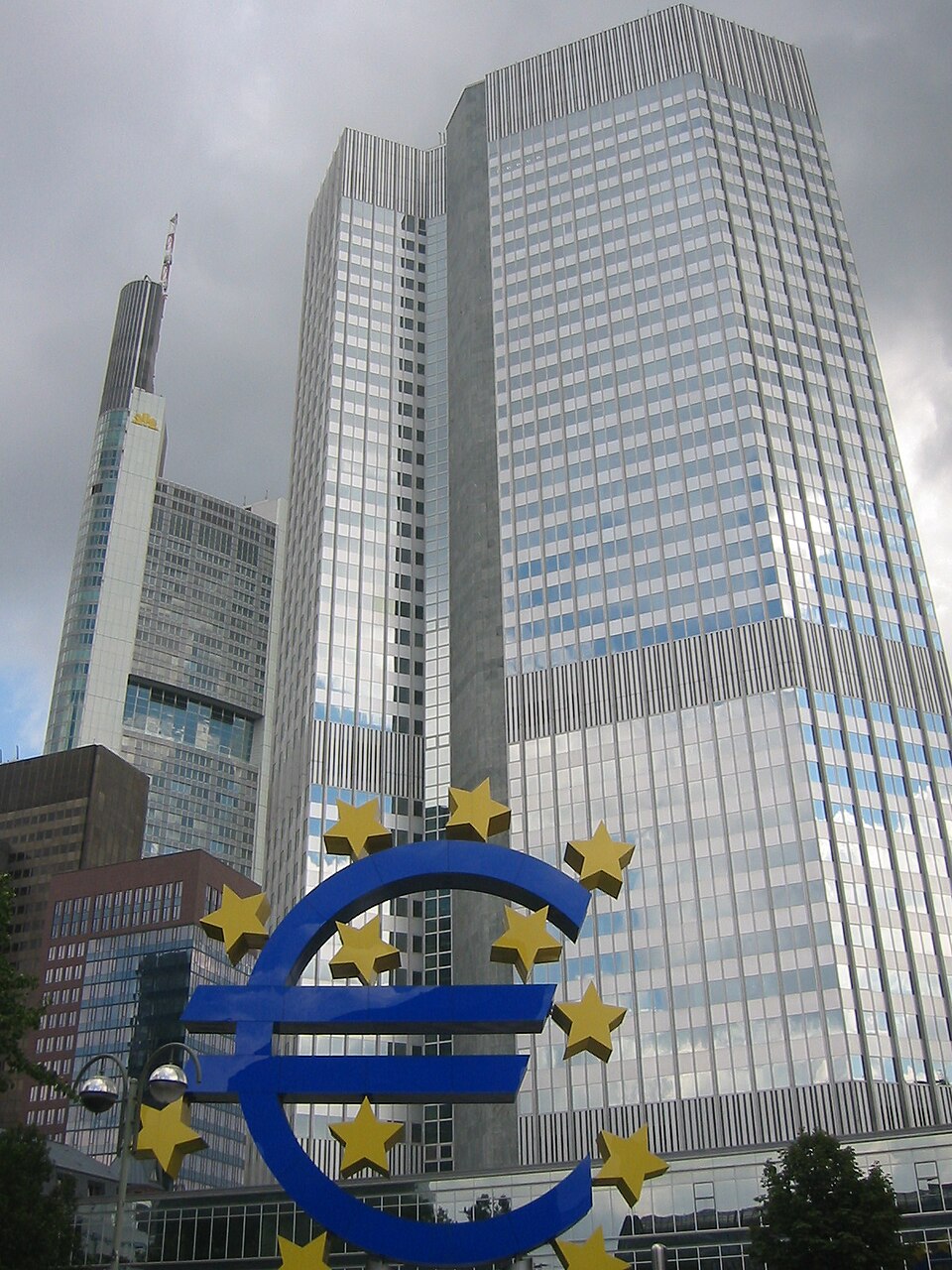
The European Central Bank is holding a virtual meeting with the G7 in an attempt to calm the markets on Monday. On the table is the idea of the ECB buying Spanish and Italian debt, although according to some anonymous sources, many countries will not accept this attempt to reassure the markets with a method that has so far proved useless and will not improve the situation in the medium term.
We now have Standard & Poor’s downgrade of US debt, but it is not the only agency warning of the danger of a debt of more than $14 trillion: some Chinese rating agencies have put US debt on the same level as Spain’s.
Other agencies continue to insist that US debt is still safe and that there is no reason for distrust, since it would be distrust and fear themselves that would make the diagnosis of illness come true. I must admit that, as things stand today, only someone who has looked for positivity in their inner karma rather than in the real state of the market could say that US debt carries no risk.
How will investors and markets behave?
What will happen in the first few hours is entirely predictable; how things will develop over the rest of the week is entirely unpredictable. This week will be critical for the global economy: we may enter the real crisis, with everything so far having been a “pre-crisis”, or we may get a strong dose of oxygen that will drag the situation out a little longer, delaying what, we insist, will come sooner or later.
Fear has taken hold of investors, and who knows how many sell orders are already lined up for Monday. We don’t know for sure how far the market will fall, but it is clear that it won’t take long to show a downward trend.
At that point, the big fund managers will have to decide whether to sell part of the shares in their portfolios and buy them back later, or whether they will have to sell the whole lot as soon as the downtrend drags on. Nobody can know that. It will be hard for anyone to make money on the stock market this Monday, and small, medium and large investors alike will probably see their gains shrink.
This reminds me that you should always heed the advice of the “dinosaurs”: August is for being close to the sea and far from the stock market.
See also: Is Spain coming out of the crisis? We found the green shoots
Update:
In the end, after the meeting with the G7, the ECB announced that it will take an active part in buying Italian and Spanish bonds to avoid a “black” Monday in the European markets, although it has asked both countries to speed up their economic reforms. The ECB’s measure may prevent chaos this Monday, but in my view, all it has done is buy time.
Further reading
Featured image: Yann, CC BY-SA 3.0, via Wikimedia Commons.



