Editor’s note: This article was first published in November 2012; it is an opinion piece, and its figures date from then: unemployment above 25%, youth unemployment around 50%, 400,000 evictions since the crisis began, and Bankia losing over €7 billion in the first three quarters of 2012.
You’d have to be very optimistic (or rather naive, on the government’s part) to believe, and announce, that Spain is coming out of the crisis. What green shoots have been spotted at this point? Our country’s figures are very positive.
With more than 25% unemployment, we have reached a jobless rate we didn’t hit even during the crisis of 1929. And worst of all, unemployment will keep rising. Spain has the highest unemployment rate in the entire European Union, to the point that, with unemployment at that level, it theoretically couldn’t be described as a developed country.
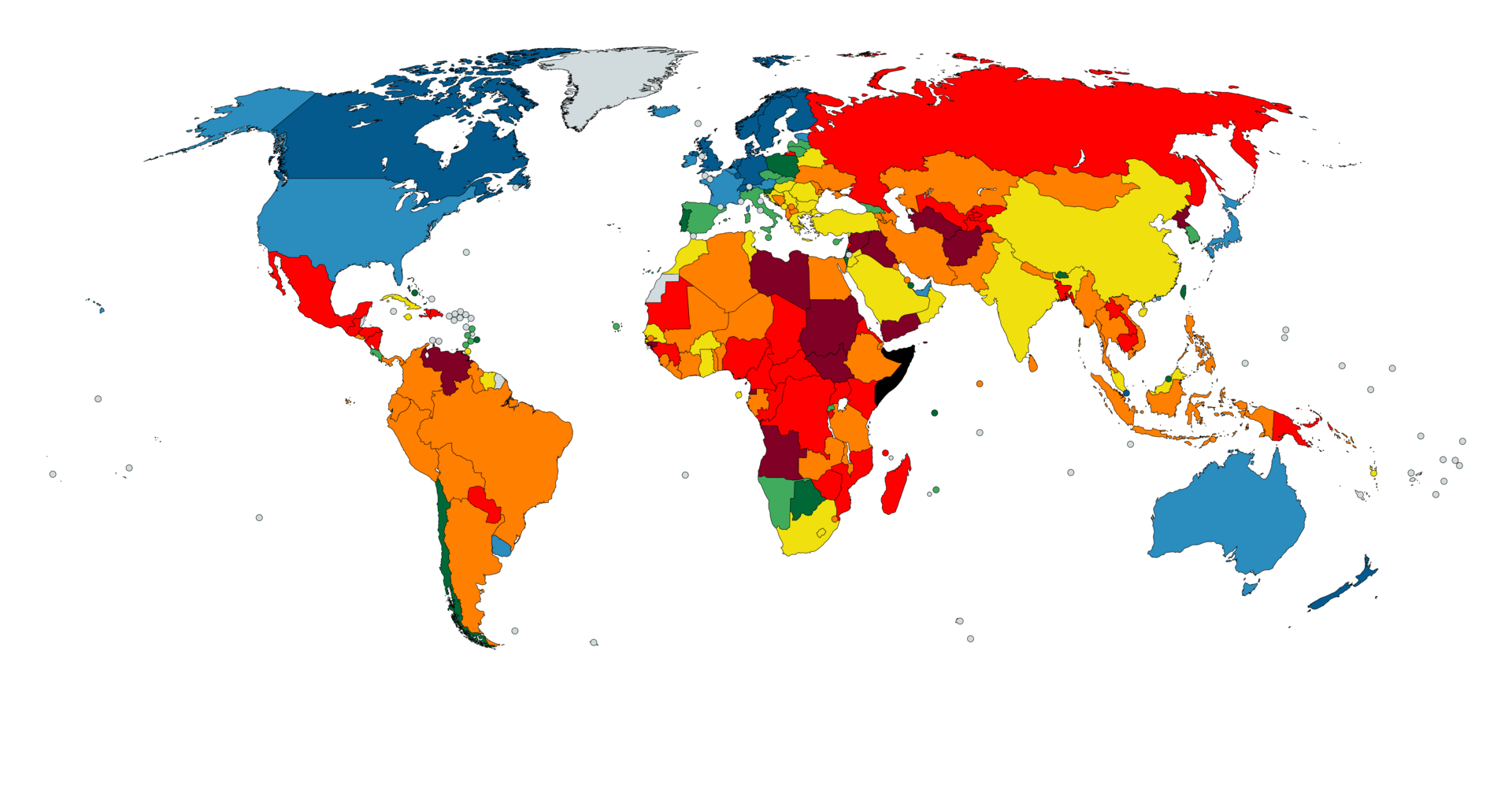
Spain has taken first place in social inequality, which means the gap between rich and poor has widened considerably. In other words, the rich get richer, the poor get poorer, and the middle class is heading for poverty.
We have more unemployment and more social inequality than even Latvia. But of course, these aren’t the green shoots the government is talking about, since they might come across as somewhat pessimistic. The real green shoot is the 400,000 evictions (mortgage foreclosures) since the start of the crisis, a figure that also shot up 15% in the first half of this year and that, unless the necessary measures of solidarity are put in place, will keep rising at a pace similar to unemployment.
Some say the image people abroad have of Spain is much worse than the real situation. Could they be saying that because of the report The New York Times devoted to us, with those apparently shameful photos showing exaggerated poverty? We were quick to launch initiatives to collect thousands of photos and send them to the popular American newspaper, showing them our best smile. And I understand that we have to look after Spain’s image at this stage, just in case people abroad find out that in Spain there are people jumping from the windows of their homes on learning that they are about to be evicted. Others don’t wait for the eviction, and do it in a less conspicuous way so as not to become part of the “death by crisis” statistics.
The next green shoot we have found is emigration: our country is once again becoming a country of emigrants, with the difference that now those leaving are university graduates who see no chance of finding a job. Of course, if they leave the country, at least they don’t swell the 50% youth unemployment figures.
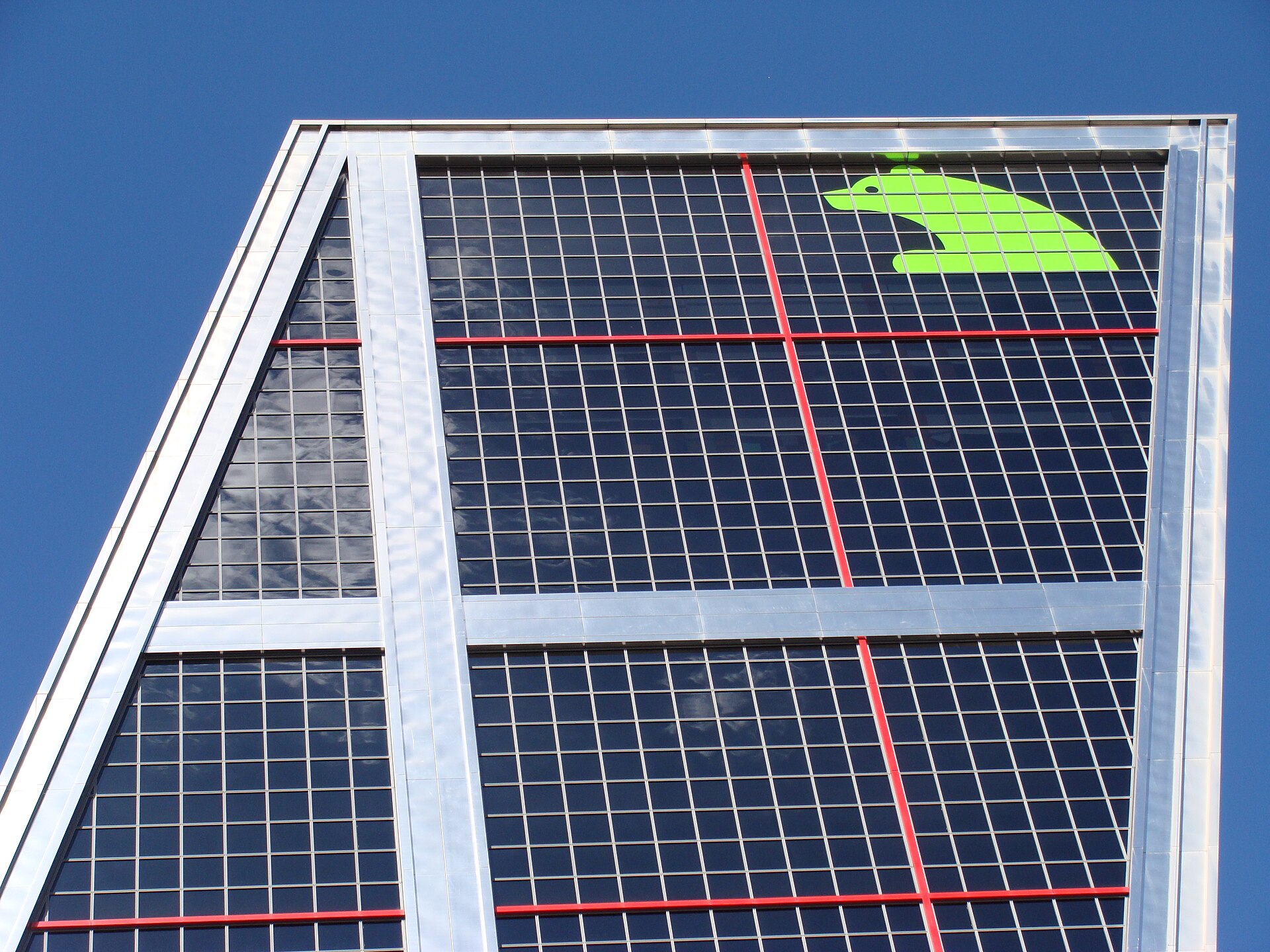
The other green shoot is banking. Is there anywhere on the planet a bank that has lost more than €7 billion in the first three quarters of the year? In Spain there is: it’s called Bankia, and it’s our bank (it belongs to all of us). Fortunately, this bank is a representative sample of the political “wheeling and dealing” we have lived through in Spain, because if it were a private company, its managers would be behind bars on grounds of corporate liability. If letting a bank fail didn’t damage Spain’s image in the markets, the accounts this bank has presented would be reason enough to close it immediately.
These are the green shoots we have spotted. If Spain (as a country) is showing signs of strength while these dire indicators keep rising, then something must be going very, very, very wrong, because one part of Spain would be coming out stronger thanks to the misfortunes of the other part.
Otherwise, Spain is doing fine.
Featured image: Fernando Losada Rodríguez, CC BY-SA 4.0, via Wikimedia Commons.