Editor’s note: This article was first published in August 2013, and the plans and forecasts it describes were current then. Nissan did not put fully autonomous cars on sale by 2020, and Google’s self-driving car project became Waymo in 2016.
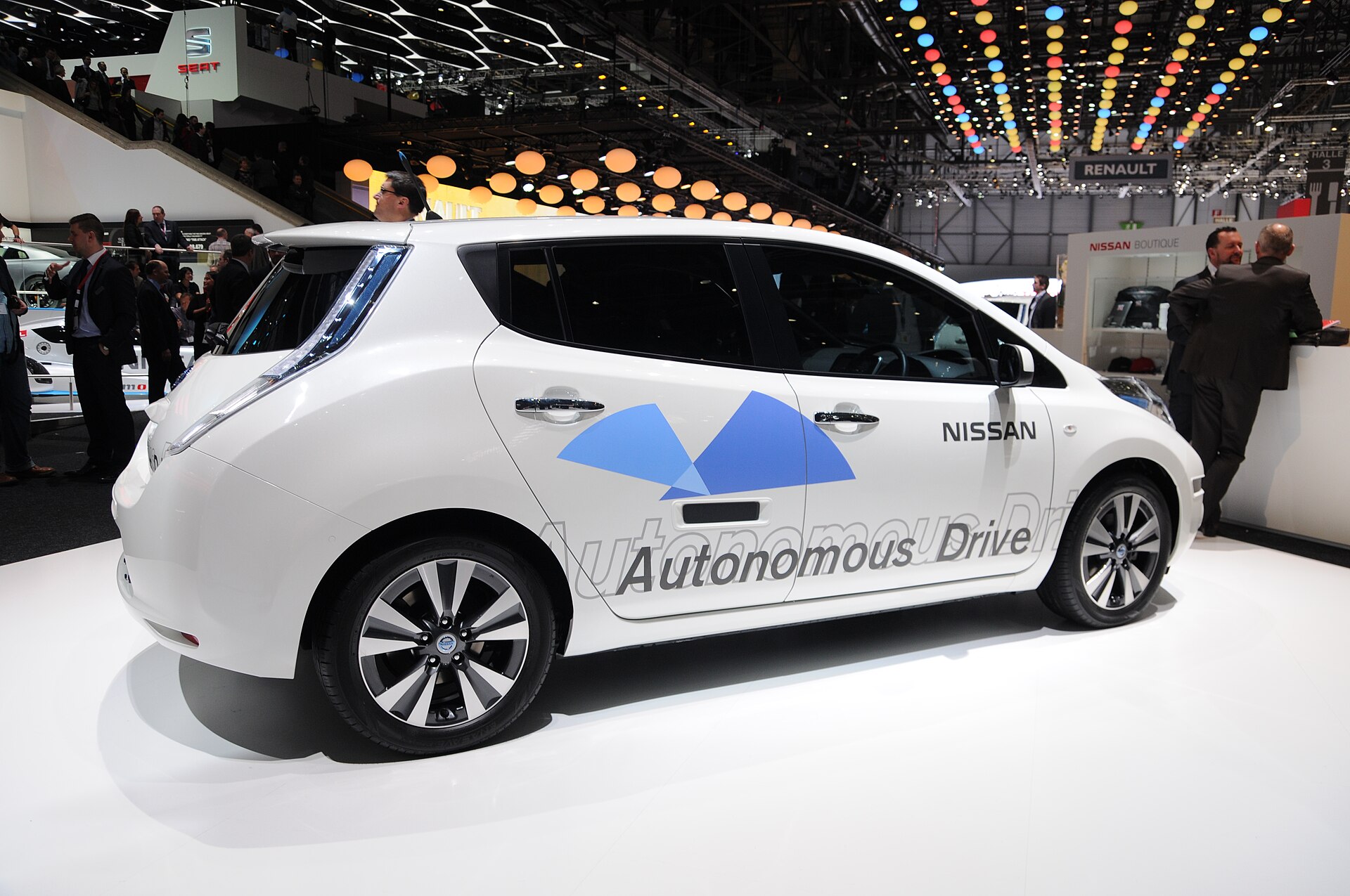
Japanese carmaker Nissan says it will be ready to bring fully autonomous vehicles, able to drive without any manual input from a driver, to market by 2020 at reasonable prices.
Remember that one of the companies furthest ahead in self-driving vehicles is Google itself, although according to some sources at the company, Nissan’s model could be even more advanced, and unlike Google’s vehicle it would not need an internet connection to drive.
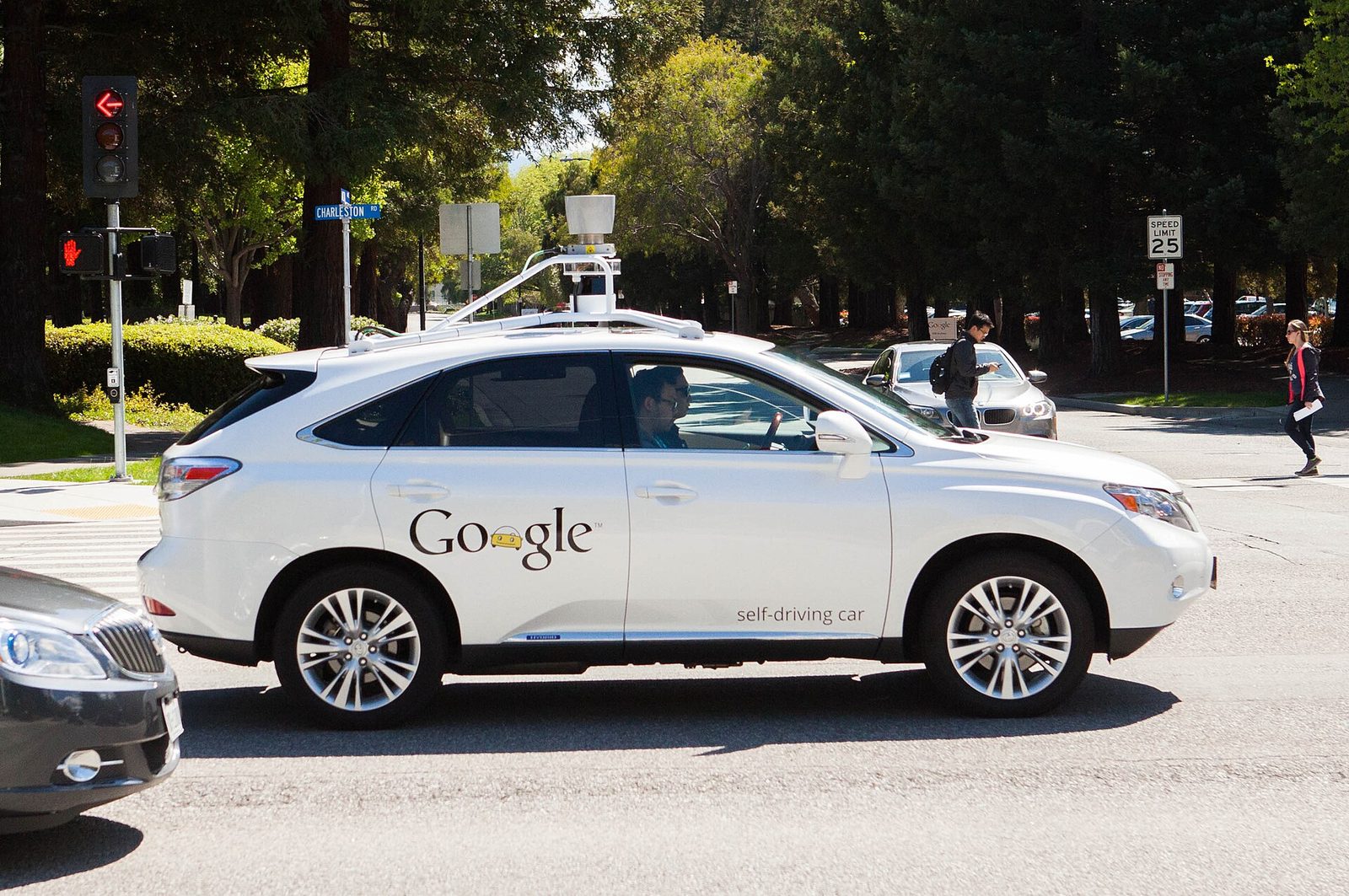
Even so, neither company rules out working together and exchanging technologies.
Nissan is building a closed circuit to test its car at the beginning of next year, using a system of 360-degree cameras and sensors that would help avoid collisions.
The aim of “Autonomous Drive” is to improve safety, prevent accidents and let drivers make productive use of all the time they spend in the car, where they could close deals or prepare work on the way to their destination, as well as giving more freedom and mobility to elderly and disabled people.
Of course, the same question arises as with Google’s vehicle: the car can recognise traffic signs, pedestrians, other vehicles on the road and so on… but if the traffic lights broke down, how would it recognise the signals of a police officer directing traffic?
There are still a few things to improve, but here is the first video showing the vehicle driving with no input from the driver:
Watch: Nissan’s autonomous car driving with no input from the driver
Featured image: Norbert Aepli, Switzerland, CC BY 3.0, via Wikimedia Commons.