Editor’s note: This article was first published in October 2012. The offshore structures it describes, a Nevis company, a Latvian bank account and a Delaware entity, reflect that time, and international tax-transparency rules have changed since.
Bobby Casey is the managing director (he may also be the owner) of a company called Global Wealth Protection, and he works with Adam Wolf (which may or may not be his real name), the company’s chief operating officer, who specialises in advising businesspeople and millionaires on how to hide their assets and make large sums of money disappear. That’s their business, and by the way it’s a profitable business in every sense of the word, since clients come to them from all over the world, probably including some listed companies.
According to these entrepreneurs, the business, like offshore asset protection itself, is completely legal. Whether the practice is moral is another matter. The company wasn’t founded with tax evasion in mind, although that’s probably what clients ask for most these days. In an interview Bobby Casey gave to a US radio station, he said he divided Americans into two kinds of people: people with money and people who want to take it from them.
Among those who want to take millionaires’ money, he counts people who file baseless lawsuits against companies and businesspeople. Bobby Casey says that in the United States, with a good, unscrupulous lawyer, anyone can sue a company or a businessperson and “bleed them dry”. So when someone faces a lawsuit like that, his company manages to make that person’s assets and money disappear “as if by magic”.
He gave a specific example. Say you own a building and you’re worried because a tenant claims to have slipped on the stairs and is going to sue you. The company places the building in a legal entity held by a trust. That’s the first obstacle the lawyer who wants to sue you runs into. Once they find it, they have to get a court order to obtain the trust document. That’s where they hit the second layer of your financial fortress: the property isn’t in the defendant’s name. The company could be in Delaware and would be hard to find, since it doesn’t carry the name people associate with it.
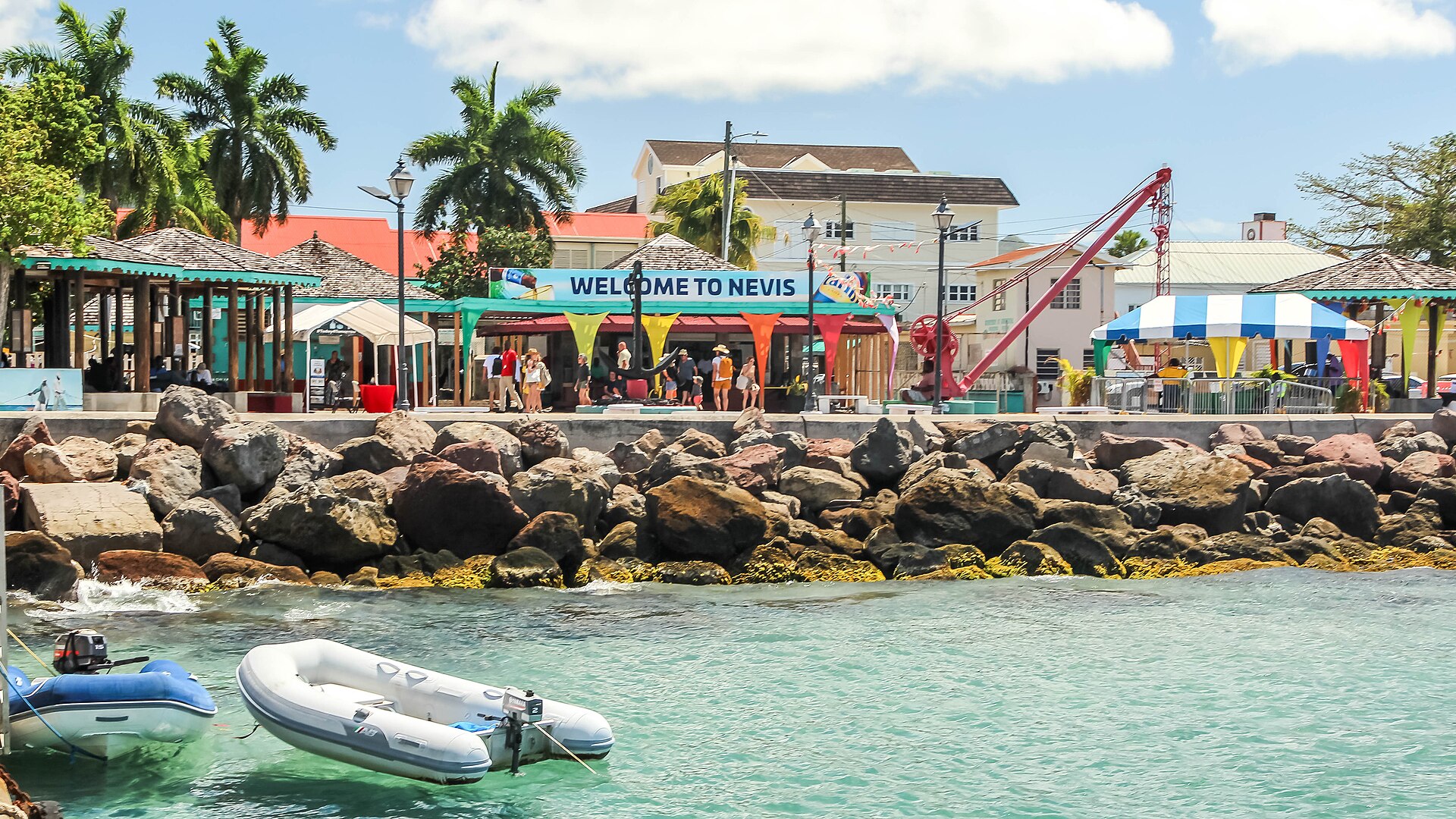
In the same way, money can be hidden by setting up a shell company on the Caribbean island of Nevis with a bank account opened in Latvia. So if a lawyer wants to break into your “financial fortress”, they first have to fly to Nevis, and in the unlikely event that they find what they’re looking for (the shell company), they’d have to travel on to Latvia. Once there, they’d come back empty-handed.
According to Bobby Casey, one of the most requested services is protection against gold-diggers: if you’re an 89-year-old millionaire and a 22-year-old falls head over heels for you and marries you, and you’re not sure whether it’s true love or money, it’s time to hide your wealth in case of an early divorce.
That’s where the moral debate comes in, because many people file justified lawsuits against large corporations or small business owners who have broken the rules, and this company would stop the little guy from getting what is legally theirs. Of course, Bobby Casey wouldn’t see it quite that way.
Mr Casey sees two clear parasites in society, as far as people with money are concerned. One is the person who would rather sue than work, a practice he says is very common in the United States, as are gold-diggers; the other parasite is the government.
Casey defends businesspeople who have worked hard for years without anyone helping them pay their debts when they couldn’t, only to find, once they finally make 100 million dollars a year, that the government wants 25% of those profits. In other words, a cheque for 25 million.
Casey says he has asked Democrats and Republicans, anarchists and conservatives, left, right and centre. They all agree that if paying taxes were voluntary, nobody would pay them, and that people pay them only because they could go to prison if they didn’t. He calls that extortion and theft by the government. That’s why the company run by Casey and Wolf makes sure the theft is smaller, by minimising the assets there are to extort.
That is Bobby Casey’s mindset. He takes it for granted that many people will disagree, and he says that anyone who disagrees has never had to “give away” 25 million in taxes, because rich or poor, 25 million is 25 million, and you have to work very hard to earn it.
For Bobby Casey, there’s no such thing as hidden money, only protected assets. One thing is clear: they’ve managed to build a VIP financial advisory business for a very select kind of client.
Featured image: Dr. Thomas Liptak, CC BY-SA 4.0, via Wikimedia Commons.