

Editor’s note: This article was first published in August 2015. As of then, Musk ran Tesla Motors, SpaceX and SolarCity; SolarCity was absorbed by Tesla in 2016 and Tesla Motors became Tesla, Inc. in 2017. Calling him “the most brilliant entrepreneur today” is the author’s 2015 opinion.
If you think like most people, you won’t find solutions to the problems most people have, and you’ll even take many things for granted simply because that’s how they’ve been laid down. In the end, the brightest and most creative minds have something in common: they tend to think for themselves, setting aside some of the accepted facts or rules. And that’s probably why they achieve amazing things.
Most people believe they think for themselves in every area of life, but sadly that’s not usually the case.
Bill Thurston was a mathematician who found solutions to hard problems by using mental models different from those of his fellow mathematicians. That led to him being awarded the Fields Medal in 1982, often considered the highest honour a mathematician can receive.
James Clear’s website includes a passage written by the mathematician himself, in which Thurston says:
“My mathematical education was rather independent and idiosyncratic: for years I learned things on my own and developed personal mental models as a way of thinking about mathematics. This has often been an advantage for me, because some of the concepts I use freely and naturally in my own thinking are foreign to most of the mathematicians I talk to.”
So what is first-principles thinking?
Put simply, it means understanding things for yourself rather than through what has already been laid down. This kind of thinking is found in the brightest minds, who use it to give free rein to their creativity, come up with ideas and defend those ideas to the end.
Sometimes many ideas can’t be carried out if we use traditional thinking, but if we start reasoning for ourselves and using our own concepts, we can see the impossible become possible. And Elon Musk knows a lot about that.
(See: Which books to read to become smarter)
The case of Elon Musk
Elon Musk is probably the most brilliant entrepreneur around today and a key figure in bringing about big changes in the world. As we said in a previous article, Musk will be the new Steve Jobs.
After revolutionising online payments with PayPal, Musk now runs three companies: Tesla Motors (electric cars), SpaceX (space exploration and space tourism) and SolarCity (solar energy).
Musk thinks from first principles, and he showed it with batteries. He has explained how his way of thinking works: when someone tells him why something can’t be done, he always asks, “Are you completely sure about that? Are you sure it’s true?” And starting from that question, he begins to think and reason it through.
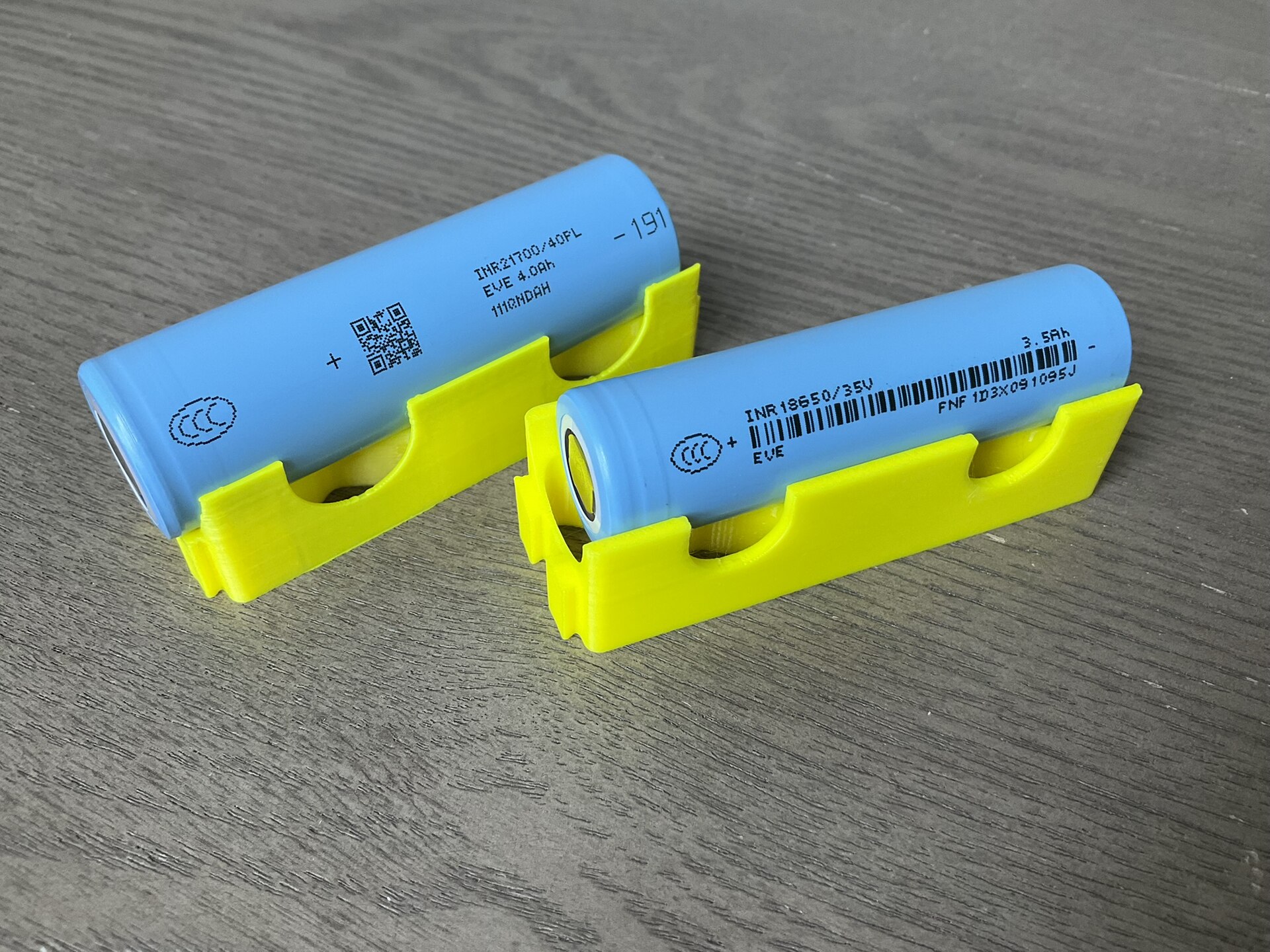
On batteries, he was told it couldn’t be done, because historically the components needed to make batteries had been too expensive, so it would never pay off. But Musk first asked himself: what are batteries made of? What do those components cost on the market?
Batteries contain cobalt, nickel, carbon…
Next question: if we bought those components on another market, how much would they cost us?
In the end, what couldn’t be done because of the high price ended up being done at an incredibly low price, and today we have batteries that are far cheaper than people could ever have imagined.
Musk advises forcing yourself to look at the fundamental facts of a situation so that you can develop your own view of how to solve the problems that come up, instead of thinking the same way everyone else does.
Now let’s break some principles of everyday life and business
James Clear, a researcher in behavioural psychology, recommends applying the way the brightest minds think to everything we do in life, and not assuming that something is the way it is just because someone, at some point, said “that’s how it is, because that’s how it’s always been”.
For example, when people want to eat healthily and lose weight, they often believe the diet will be very hard and that they’ll have to make big sacrifices. Fortunately, many dietitians now offer other eating plans that let you lose weight without going hungry, and with tasty food as well.
After all, to lose weight we only need to cut the number of calories we eat each week and do a bit more exercise; but at least these days, some dietitians have solved the problem of going hungry.
“Writers have few chances of building a career today, and it’s very hard for them to make much money”
Clearly, if you think like a writer and have the old business model for writers burned into your mind, you’re the one who’ll lose weight, because you’ll go hungry.
While many writers say they no longer make money because of illegal downloads, others admit they’re now earning much more. Today a writer has all kinds of tools to reach a very wide audience and become known worldwide.
Likewise, many writers who specialise in a particular subject now offer their services to companies. Can a writer create value for people beyond the value created in their books? Ask the writers of self-help books.
If you want to make money as a writer, don’t think the way your fellow writers do, and do the opposite of those writers who say there’s no money in it any more. We can apply this to any profession that is struggling today.
(See: How to reinvent yourself, create a new profession or come up with creative business ideas)
“You have to take a lot of risks if you want to be a successful entrepreneur”
True. To achieve great successes, you have to risk great failures, and so you have to take on a lot of risk. Every single one of the great successful business people agrees on that, but…
Are we really sure that’s how it is if we reason from first principles?
Let’s see: to be an entrepreneur, what do we need? To sell something and have people buy it. Does it have to be a product or service that requires a big investment? Nobody said that. You can start with little risk, part-time, laying solid foundations and growing gradually.
Of course, at some point, if you want to become a big business owner, you’ll have to make a big leap and take big risks (or not), but starting a business doesn’t have to mean taking on an enormous risk. It simply means starting.
Featured image: Sevenethics, CC0 1.0, via Wikimedia Commons.



