
Editor’s note: This article was first published in June 2022, as inflation was surging: Spain’s CPI stood at 8.7% in May 2022, and inflation has fallen considerably since. The ECB deposit rate was still -0.50% and the claim that deposits and bonds yield less than inflation reflects that period; yields rose substantially in 2022-2023. Its stock picks are dated.
Let’s take this opportunity to share some tips on how to protect your money from inflation. Keep in mind that personal wealth isn’t measured by how much money you have, but by the goods and services that money can buy, and when inflation appears, our purchasing power tends to fall considerably.
That’s why we can’t stand still, even if we don’t know what kind of inflation we’ll be facing. We simply need to act and be ready for whatever comes.
See also: The number one mistake people make with their money during inflation
How to protect your money from inflation
First of all, saving for the sake of saving won’t help if your money just sits idle, because every euro or dollar will be worth less year after year. In that sense, it’s as if you had made an investment that’s losing money.
Tip #1 when inflation is on the way
Since we expect prices to rise, if you’re planning to buy something in the near future (something you actually need), ideally buy it now if you can. Buying ahead saves you money compared with what that product or material will cost later.
Where to invest during periods of inflation
This is where it gets interesting, because there are several alternatives to analyze and recommend.
The assets worth investing in during inflationary periods fall into these groups:
- Defensive assets (which appreciate with inflation)
- Fixed income
- Equities
- A smart long-term strategy
Investing in defensive assets against inflation
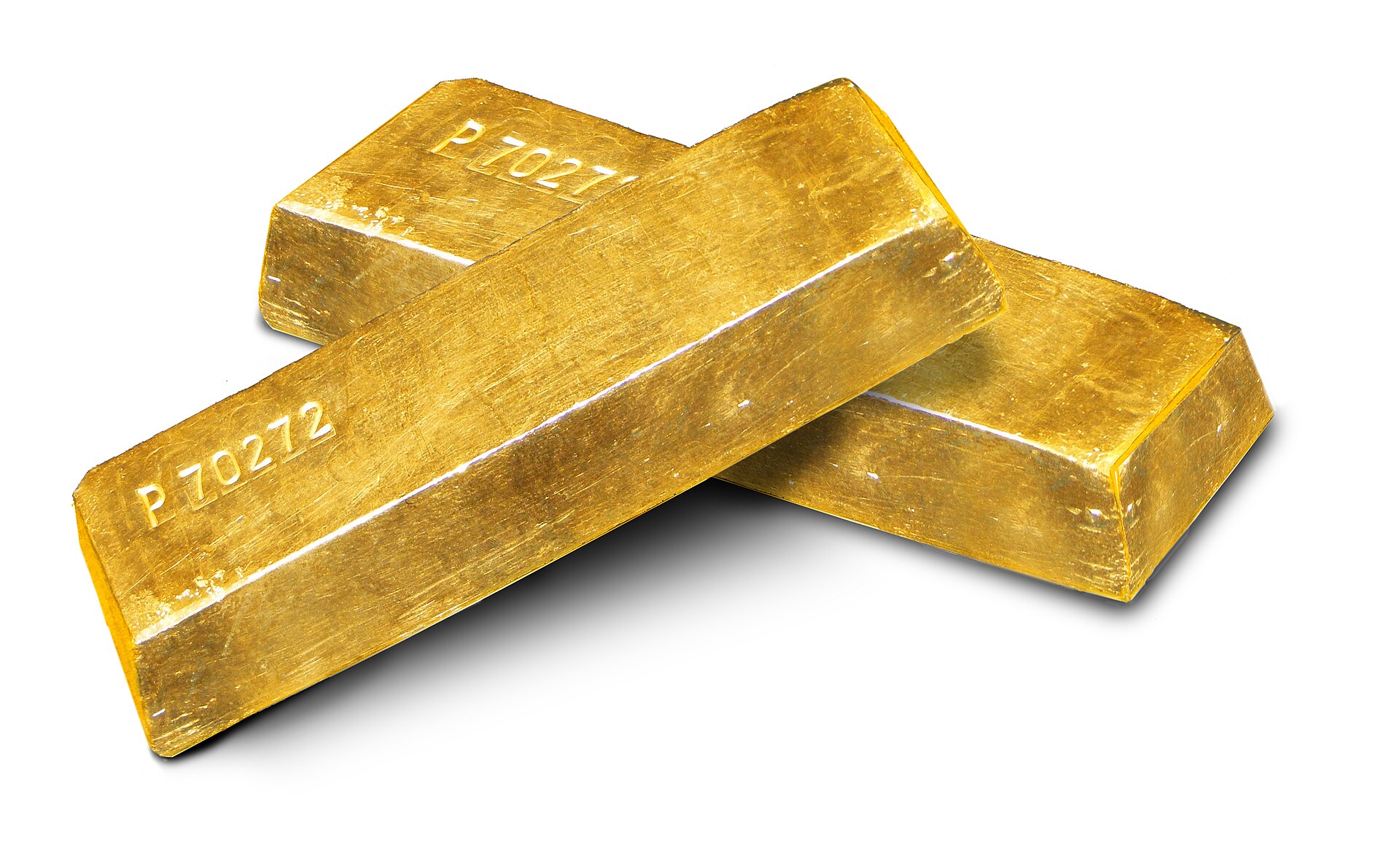
By defensive assets we mainly mean precious metals such as gold and silver, which have long served as an excellent hedge against inflation. Some people also recommend other assets, such as works of art or collectibles, because they tend to gain value over time.
Like gold and silver, these are counted among the assets that tend to appreciate during inflationary periods.
Real estate also belongs in this group. Investing in property can take a lot of capital, but these days you can do it through a real estate investment trust (REIT). In Spain, for example, there’s Merlin Properties, a listed company: by buying its shares, you benefit from the appreciation of the properties in its portfolio.
As long as the situation doesn’t also trigger a property crisis, land and buildings usually rise in value with inflation.
Should you invest in fixed income during inflation?
At first glance, fixed income isn’t the best way to beat inflation, because as a rule, with a few exceptions, inflation will be higher than the return on a deposit or bond. But we shouldn’t forget the great unknown of the bond world: inflation-linked, or inflation-indexed, bonds.
Even though they’re fixed income, these bonds pay more as inflation rises, just as their return falls if deflation sets in. With interest indexed to inflation, these bonds (TIPS in the US) can be a good option if you don’t want to take on too much risk.
Investing in equities (shares of listed companies)
If anything beats inflation over the medium and long term, it’s investing in equities, especially if you choose companies that also benefit from inflation. We’ve already recommended 7 stocks to buy in times of inflation and recession that meet the necessary criteria, the most important being a solid, consistent record of paying good dividends. Together with the expected price appreciation, those dividends would comfortably beat a high-inflation scenario.
But if you don’t feel up to picking your own stocks, we turn (once again) to the smartest way to invest, whether during inflation or at any other point in the market cycle.
The smart investment strategy to beat inflation
Some will say we keep harping on this recommendation, but we can’t ignore the fact that the S&P 500 has, so far, beaten inflation, so there’s no need to reinvent the wheel. For the long term, one investment vehicle would be an S&P 500 index fund.
It’s a way to buy every company in the index and make sure that, over 5 or 10 years, you’ll have earned a return above inflation.
As we always recommend, you can diversify a little: put a percentage of your portfolio into stocks you pick yourself and another percentage of your money into the index fund or an ETF. Here we explain the difference between index funds and ETFs. If you don’t have much investing experience, this would without doubt be my top recommendation, and what I consider the smartest way to invest in inflationary times.
And that’s really all there is to it. These are the investment options for the times ahead.
See also: The only proven way to live off the stock market
Featured image: Christoph Scholz, CC BY-SA 2.0, via Wikimedia Commons.