

Let’s be realistic. On top of all the uncomfortable things we have to do to reach a specific goal, or simply to keep a project going, there is a level above that: the things we hate deeply but still have to do. How do you psych yourself up so you don’t procrastinate on this kind of task?
I know you often hear “If you can’t do what you love, try to love what you do”. That line from the world of self-improvement and self-help can be applied to countless things, but the truth is that it is impossible to love certain necessary things.
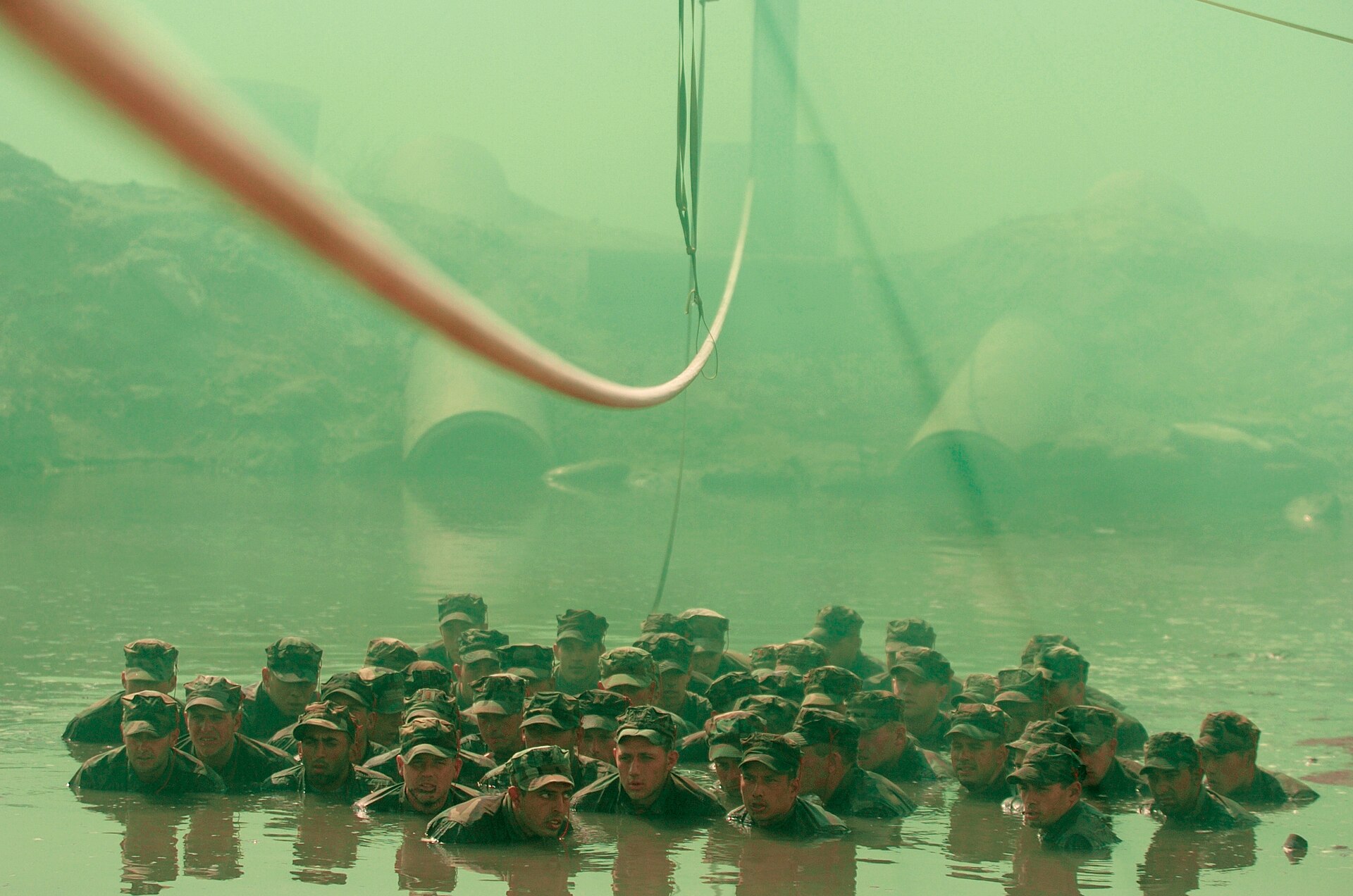
To give an example, I don’t think anyone is crazy enough to love “Hell Week” in Navy SEAL training, where most of the candidates for this elite corps drop out. Nobody enjoys going five days without sleep while being tortured with cold to the edge of hypothermia, but you have to do it if you want to be a SEAL.
Throughout our lives, or simply over the course of a week, we come across tasks we have to do but hate doing, so it is only natural that our discipline fails and we fall into the famous trap of procrastination (putting the task off), which stalls our productivity.
How to psych yourself up to do what you hate
Since we are talking about things you can’t pretend don’t exist, tasks you can’t ignore, you need a kind of thinking that has nothing to do with positive thinking. It is more about accepting how hard the thing we are about to do is, starting from the fact that, like it or not, we have to do it because we damn well have to.
Think in terms of time: be clear that the effort will end
Knowing that something hard and unbearable will end sooner or later, and that I won’t have to do it again, is without a doubt what has worked best for me throughout my life, in many different areas.
I have applied this mindset to every tough athletics or martial arts training session. Putting up with pain or extreme exhaustion is not pleasant, but that extra bit of pain is necessary to be better prepared than the person who doesn’t want to take it. So you tell yourself it will be 30 minutes or an hour of unpleasantness, but that hour passes in 60 minutes, while the results stay with you for the rest of your life.
The one thing I didn’t apply this mindset to was a minor operation I had been putting off since I was 18. I was told I would be “out of action” for at least three months. I didn’t like the idea of being laid up for so long, so I kept postponing something that posed no risk to my health, until, almost 20 years later, it started to become dangerous to my health.
In the end, when there was no other option, I realised how stupid you can be when you avoid something you will have to face sooner or later.
So from now on, when you know you have to do something you would rather not do, tell yourself that the task or situation will eventually end. But for it to end, you first have to start.
See also: You can be happier, more successful and healthier with this 21-day programme
Think about the satisfaction you will feel once you have done what you have to do
Keep telling yourself that you will feel much better when it is over. And remember that you will feel better for two reasons.
1. Because it will be done and you won’t have to do it again
Remember one of the things I repeat most often: “Five years from now you’ll regret not having started today”? Well, apply it here.
2. Because you know the reward lies in the pain
Muhammad Ali was once asked how many sit-ups he did. He replied that he didn’t know exactly, because he only counted the ones he did once they started to hurt: those were the sit-ups that made him a champion.
See also: The secret of Muhammad Ali’s success
So the same applies here: you are going to carry out a painful, disgusting, unbearable task, call it what you like, but that task is what will take you to another level, probably a level above many other people who don’t like pain.
Remember: pain is the best teacher, but almost nobody wants to attend its class
In short, keep in mind that the sacrifice has an expiry date and that its results will last forever. In fact, the effort will often be very short compared with the benefits it brings you. And think about the sense of wellbeing, productivity and achievement you will feel once the task is done.
Face up to the things you have been avoiding for a long time, and tackle the daily or weekly tasks you like least quickly, so you get them out of the way as soon as possible and can put your best energy into what you enjoy doing most.
What I have just said may be very obvious, and in fact it is nothing out of this world, but it doesn’t hurt to be reminded of it, because these points are still often forgotten.
Featured image: Shane T. McCoy, Public domain, via Wikimedia Commons.



